


Most played on DoReSol
Essential songs
Bone Machine
Surfer Rosa · 1988
Break My Body
Surfer Rosa · 1988
Something Against You
Surfer Rosa · 1988
Broken Face
Surfer Rosa · 1988
Gigantic
Surfer Rosa · 1988
River Euphrates
Surfer Rosa · 1988
Where Is My Mind?
Surfer Rosa · 1988
Cactus
Surfer Rosa · 1988
Tony’s Theme
Surfer Rosa · 1988
Oh My Golly! / [untitled]
Surfer Rosa · 1988
The full catalog on DoReSol
All songs
Bone Machine
Surfer Rosa · 1988
Break My Body
Surfer Rosa · 1988
Brick Is Red
Surfer Rosa · 1988
Broken Face
Surfer Rosa · 1988
Cactus
Surfer Rosa · 1988
Crackity Jones
Doolittle · 1989
Dead
Doolittle · 1989
Debaser
Doolittle · 1989
Gigantic
Surfer Rosa · 1988
Gouge Away
Doolittle · 1989
Here Comes Your Man
Doolittle · 1989
Hey
Doolittle · 1989
I Bleed
Doolittle · 1989
I’m Amazed
Surfer Rosa · 1988
La La Love You
Doolittle · 1989
Monkey Gone to Heaven
Doolittle · 1989
Mr. Grieves
Doolittle · 1989
Number 13 Baby
Doolittle · 1989
Oh My Golly! / [untitled]
Surfer Rosa · 1988
River Euphrates
Surfer Rosa · 1988
Silver
Doolittle · 1989
Something Against You
Surfer Rosa · 1988
Tame
Doolittle · 1989
There Goes My Gun
Doolittle · 1989
Tony’s Theme
Surfer Rosa · 1988
Vamos
Surfer Rosa · 1988
Wave of Mutilation
Doolittle · 1989
Where Is My Mind?
Surfer Rosa · 1988
2 album|s · 1988 — 1989
Full discography


Share stage, decade and obsessions
Related artists


Details, awards, members and more
More about Pixies
Biography
Two years later came Surfer Rosa, an album recorded in three days with borrowed equipment and now considered one of the pillars of alternative rock. Doolittle, in 1989, delved deeper into that style: songs like Debaser or Monkey Gone to Heaven alternate between tenderness and fury, with lyrics blending science fiction, religion, and violence. Though they didn’t achieve massive success in the United States, in Europe—especially in the United Kingdom—they became a benchmark. The band split in 1993, but their influence was already inevitable: Kurt Cobain of Nirvana admitted their "soft-loud" sound came directly from them, and bands like Pavement or Modest Mouse inherited that way of structuring songs.
They reunited in 2004 for tours, but lineup changes were constant. Kim Deal left in 2013 and was temporarily replaced by Kim Shattuck until Paz Lenchantin became their permanent bassist in 2016. With her, they recorded Head Carrier, Beneath the Eyrie, and Doggerel, albums that maintain that essence of contrasts: from the black humor of Head Carrier to the lyrical darkness of Beneath the Eyrie. In 2024, Emma Richardson—formerly of Band of Skulls—took over on bass, closing another chapter. The curious thing is that, despite the years, their music still sounds fresh: the loud-quiet-loud they invented remains a resource used by new bands, and their lyrics, with their biblical and surreal imagery, remain just as intriguing.
Details
- Born
- 1 Jan 1986
- Country
- 🇺🇸 United States
- Genre
- Alternative rock
Members
- guitar, vocals, founder · 1986–present
- Black Francis
- drums, founder · 1986–present
- Dave Lovering
- guitar, founder · 1986–present
- Joey Santiago
- backing vocals · 2024–present
- Emma Richardson
- backing vocals, bass, founder · 1986–2013
- Kim Deal
- backing vocals, bass · 2013–2024
- Paz Lenchantin
- backing vocals, bass · 2013–2013
- Kim Shattuck
Influences
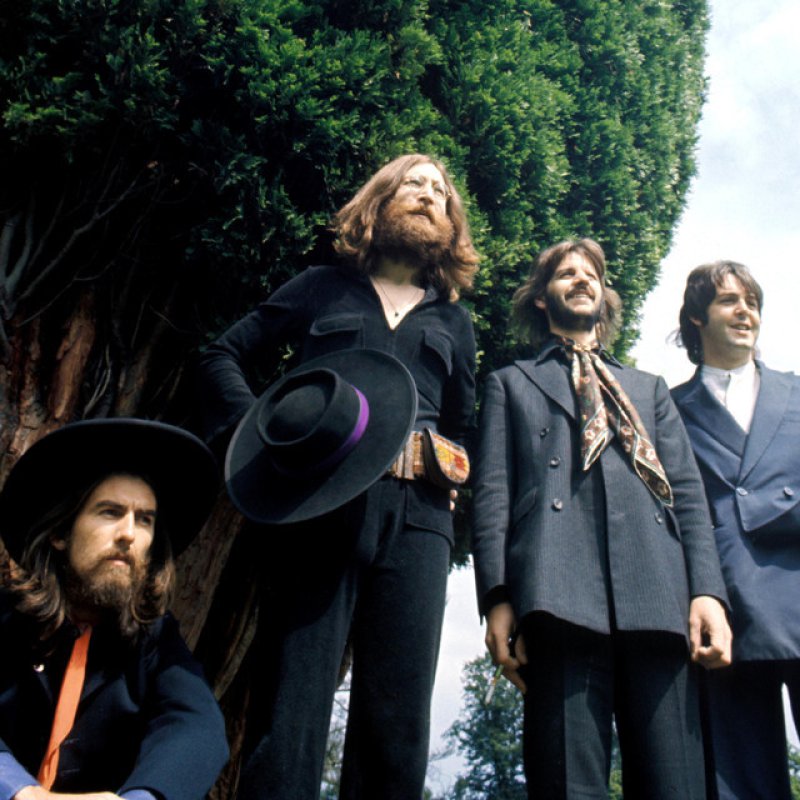 The Beatles
 David Bowie
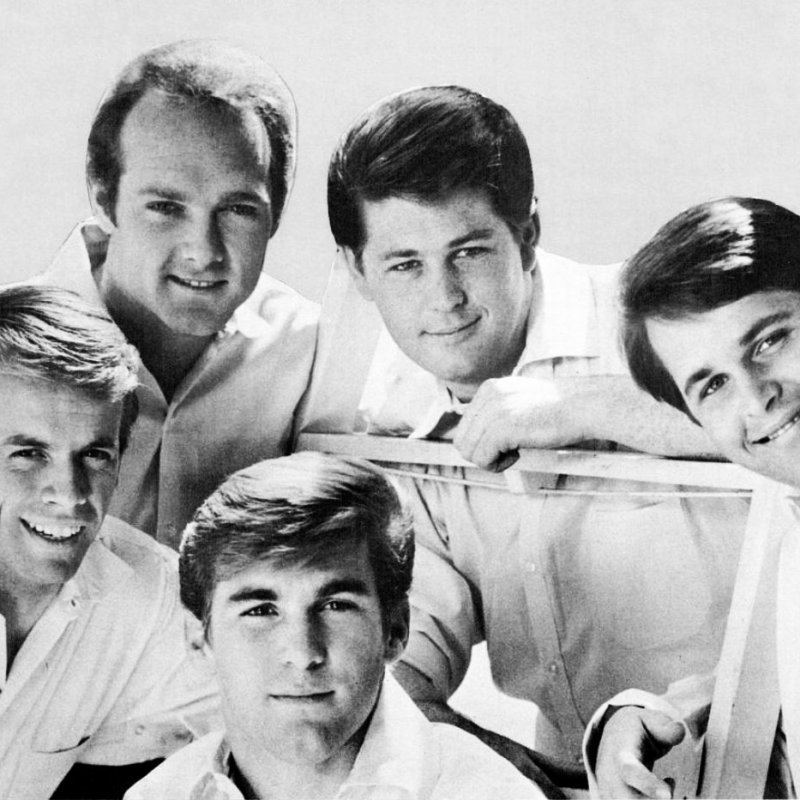 The Beach Boys
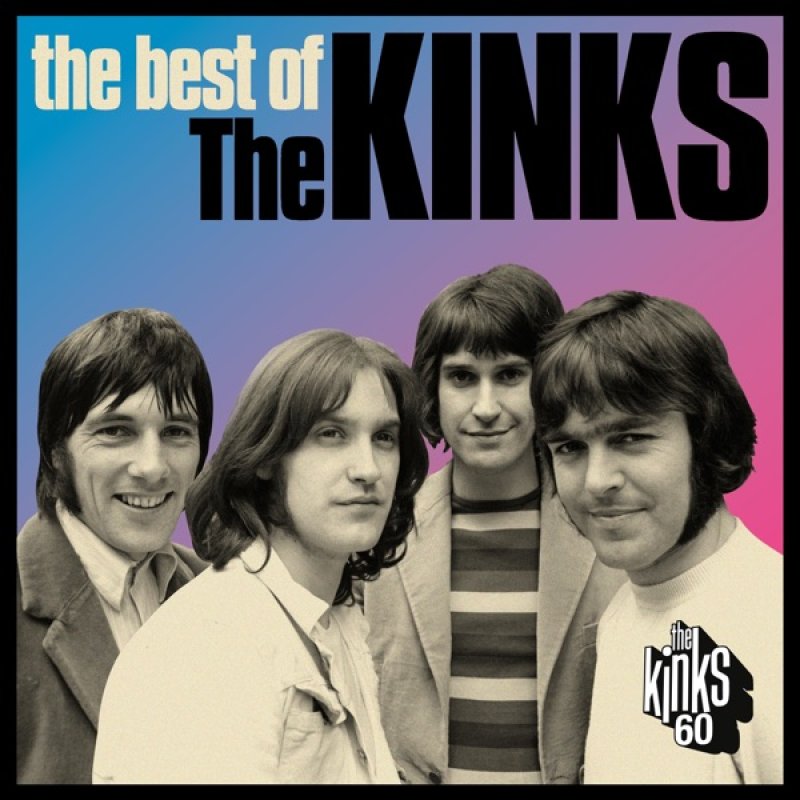 The Kinks
 The Who
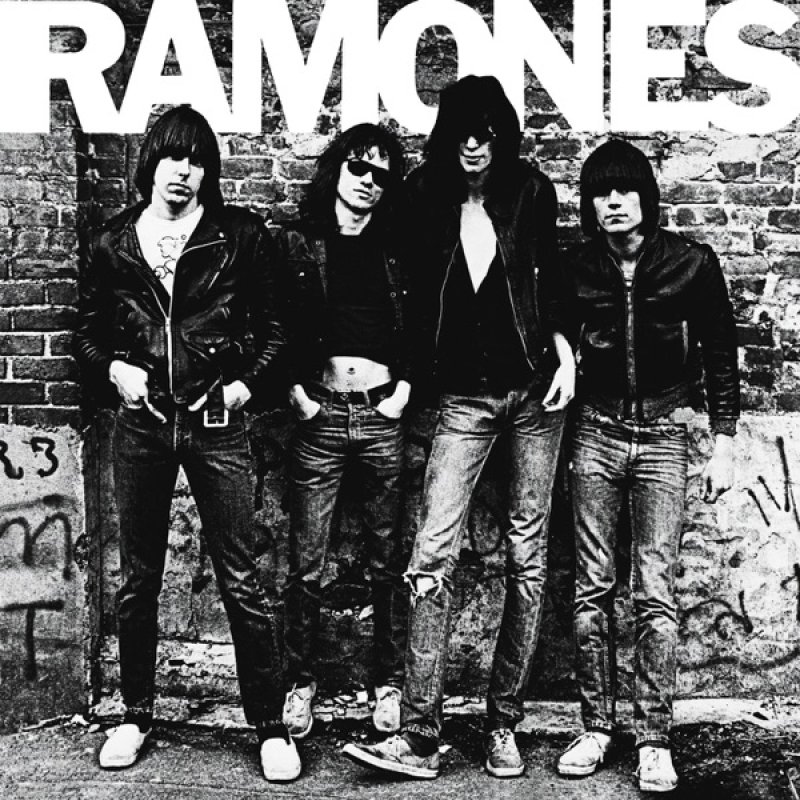 Ramones
The full catalog on DoReSol
All songs
Vamos
Surfer Rosa · 1988
I’m Amazed
Surfer Rosa · 1988
Brick Is Red
Surfer Rosa · 1988
Debaser
Doolittle · 1989
Tame
Doolittle · 1989
Wave of Mutilation
Doolittle · 1989
I Bleed
Doolittle · 1989
Here Comes Your Man
Doolittle · 1989
Dead
Doolittle · 1989
Monkey Gone to Heaven
Doolittle · 1989
Mr. Grieves
Doolittle · 1989
Crackity Jones
Doolittle · 1989
La La Love You
Doolittle · 1989
Number 13 Baby
Doolittle · 1989
There Goes My Gun
Doolittle · 1989
Hey
Doolittle · 1989
Silver
Doolittle · 1989
Gouge Away
Doolittle · 1989