The story behind
Here Comes Your Man, according to DoReSol
The first time Here Comes Your Man plays, the bass and drums come in like a train that won’t stop. There’s no long intro or embellishments: just that clean, sticky guitar riff repeating as Black Francis’ voice cuts through with lyrics that feel like they’re plucked from a fever dream. The chord that opens the song — the same one Jimi Hendrix used in Purple Haze — gives it a deceptively familiar air, as if you’ve heard it before but can’t quite place it. The blend of acoustic and electric, the push-and-pull between soft and abrupt, is what makes the track stand out in Doolittle, the album where it sits trapped between darker, more experimental cuts.
The song was written when Black Francis was just fourteen or fifteen, but the Pixies rejected it again and again in their early years. By 1987, when they recorded the demo The Purple Tape, the song was already there, but the band saw it as “Tom Petty’s song” — too pop, too straightforward for a sound bent on breaking conventions. Producer Gil Norton was the one who pushed to include it on Doolittle, though Francis himself admitted he was initially embarrassed to include it. During sessions at Downtown Recorders and Carriage House (Boston and Stamford, between October and November 1988), guitarist Joey Santiago doubled the riff on a 12-string Rickenbacker and a Telecaster, creating the contrast between crystalline and gritty that defines the track. The result was a single that, against all odds, reached number three on the Billboard Modern Rock Tracks in 1989 and, decades later, topped the UK’s Independent Singles Chart. In 2019, the Recording Industry Association of Canada awarded it a gold record, but the oddest detail is that Francis wrote the lyrics inspired by hobos who died in California’s 1971 earthquake — a twist that distances the song entirely from any romantic cliché.
From album

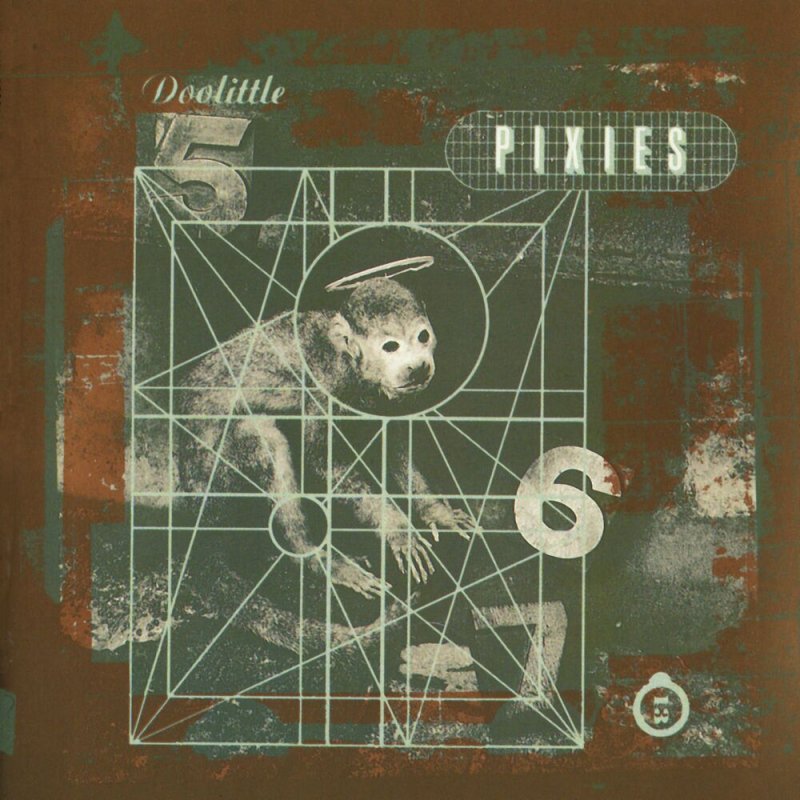
Doolittle
Pixies · 1989 · Track 5
Details
Credits
Lyrics Black Francis
Music Black Francis