The story behind
Tame, according to DoReSol
Pixies tear it up with Tame from the very first second: a minute or so where silence shatters with a whisper and, suddenly, the roar. The song doesn’t beat around the bush: three chords repeating in three-beat phrases, as if the rhythm breathes in short cycles, never letting the ear settle. Joey Santiago nails a riff he himself dubbed his "Hendrix chord" —a mix of F seventh with augmented ninth— and, in under two minutes, sets the pattern that grunge would later explode: soft, loud, soft, but with an aggression that asks for no permission. It’s not just a fast track; it’s a sharp blow that makes clear why bands like Nirvana took it as a blueprint.
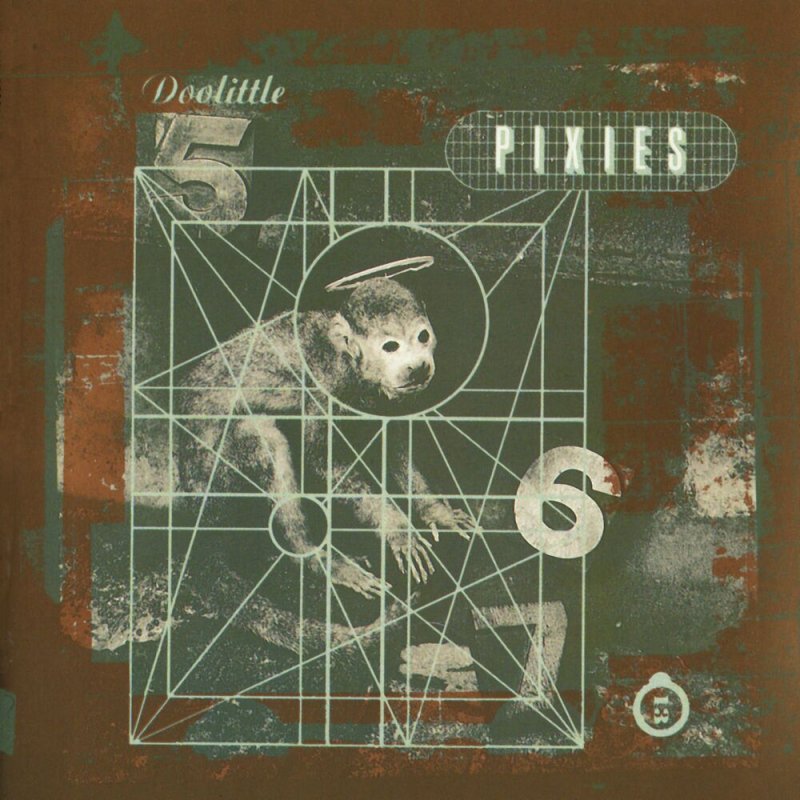
The lyrics stem from personal anger, but also from sharp observation. Black Francis —or Charles Thompson, as he’s also known— admitted he wrote it thinking of the students in his Boston neighborhood: kids, in his view, who spent more time getting drunk and showing off than doing anything useful. There’s no romance in his words; there’s scorn, almost a challenge. In an interview for Esquire, he made it plain: "I probably found those kids, men and women, mediocre." And though he later softened his stance, saying he didn’t want to sound like a misogynist, the song stands as is, with that mix of irony and rawness that defines Pixies’ style. The recording, helmed by Gil Norton as producer and with Matt Lane, Dave Snider, and Norton himself on engineering, captured that raw energy that would later become the hallmark of the album Doolittle, released in April 1989. They weren’t aiming for polish; they wanted noise and calm to clash like waves, and Tame is the perfect example.
From album

Doolittle
Pixies · 1989 · Track 2
Details
Credits
Lyrics Black Francis
Music Black Francis