


🇧🇷 BR · Brazil · Chapter 5 of 6
The Brazilian Rock: The Electricity Brazil Always Needed (1982–present)
In 1982, Brazil did not have its own rock that could compete in energy and originality with what MPB and bossa nova had built in previous decades. Four years later, the scene was unrecognizable. The movement that music critic Nelson Motta dubbed as **BRock** —Brazilian rock— burst onto the scene in the first half of the eighties with a speed and consistency that no one anticipated, and in a few years, it became the music of an entire generation.

The context explains everything. The military dictatorship was in its terminal phase but still in effect. The young people who grew up under that regime—hearing about exiles, censorships, and disappeared bodies—came of age with accumulated rage and without the channels of expression that MPB had used for the previous generation. MPB was too adult, too literary, too patient. Rock was urgent, electric, immediate. It was exactly what they needed.
The first sign came in 1982 with the hit "Você Não Soube Me Amar" by Blitz, which became a mass phenomenon. But it was the first Rock in Rio, in January 1985—ten days of concerts with Brazilian and international artists at the Riocentro Stadium before audiences of up to 250,000 people per day—that certified that rock was mainstream and that Brazil had its own scene capable of occupying that space.
The Sacred Quartet
Four bands defined the identity of BRock and are inseparable from its history. They are affectionately and accurately called the sacred quartet:
Legião Urbana —Renato Russo, Dado Villa-Lobos, and Marcelo Bonfá, formed in Brasília in 1982— was the most beloved band. Renato Russo was a lyricist with an unusual literary precision for rock: his songs spoke of loneliness, identity, politics, love, and the brutality of the adult world seen through the eyes of those who had just entered it. He was inspired by The Smiths, Joy Division, The Cure, and the Sex Pistols, but his voice and way of constructing songs were entirely his own. Dois (1986) was an unprecedented sales phenomenon in Brazilian rock. As Quatro Estações (1989) —considered by Renato Russo himself as his most complete work— contained "Pais e Filhos," "Monte Castelo" —with verses by Luís de Camões and the First Epistle to the Corinthians— and "Feedback Song For a Dying Friend," a tribute to his friend Cazuza who was dying of AIDS. Renato Russo died on October 11, 1996, at the age of thirty-six, also from AIDS complications. The band dissolved that same year. They sold over 25 million records in total.
Os Titãs —nine musicians from São Paulo, formed in 1982— bet on the most conceptual and aggressive proposal of the movement. They did not have a central vocalist but several, which gave them a choral texture and an ability to change tonal register that few rock bands could match. Cabeça Dinossauro (1986) is textbook punk-rock in form but with a philosophical outlook in substance: "Igreja," "Polícia," "Bichos Escrotos" are songs that dismantled Brazilian institutions with a devastating lexical economy. The Titãs were also the longest-lived and the most capable of reinventing themselves: they continued releasing music into the 2010s and still maintain a following.
Os Paralamas do Sucesso —Herbert Vianna, Bi Ribeiro, and João Barone, formed in Brasília and later based in Rio— brought to BRock its most sunny and cosmopolitan side. Influenced by The Police and Jamaican ska, they mixed rock with reggae and Latin American rhythms with a lightness that did not lose depth. Their albums from the second half of the eighties —Selvagem? (1986), Bora Bora (1988)— are among the most enjoyable of the entire era. Herbert Vianna suffered a plane crash in 2001 that left him with permanent injuries, but the Paralamas returned and continued playing.
Barão Vermelho —led in their early years by Cazuza, the most charismatic and self-destructive frontman of BRock— were the band that most clearly connected rock with the Carioca tradition of excess and poetic intensity. Cazuza —Agenor de Miranda Araújo Neto— had a stage presence that few Brazilian musicians have matched before or since, and an ability to write songs that mixed cynicism with tenderness in a devastating way. He left Barão in 1985 to launch a solo career that was simultaneously brilliant and tragic: he died of AIDS in 1990, at the age of thirty-two. His last public appearances, when his illness was already evident, showed him singing with an intensity that time has not been able to erase.
Rock in Rio 1985: the moment when everything changed
The first Rock in Rio deserves its own paragraph because it was more than a festival: it was a statement. Brazil, emerging from dictatorship, welcomed Queen, AC/DC, Rod Stewart, Yes, and Whitesnake in January 1985 on the same stages where Barão Vermelho and Paralamas do Sucesso played. The implicit equivalence — Brazilian bands alongside the greats of world rock — was exactly the message the movement needed.
Rock in Rio became the largest rock festival in history by accumulated attendance, and its first edition is still remembered as one of the cultural milestones of Brazil's democratic transition.
The Nineties: Diversification and New Voices
The death of Renato Russo and Cazuza, the fragmentation of BRock, and the arrival of MTV Brazil in 1990 marked the beginning of a new era. MTV was decisive: for the first time, Brazilian bands had a massive visual exposure channel that democratized the scene and allowed very different proposals to reach audiences that otherwise would not have crossed paths.
The nineties were a decade of intense diversification. The Minas Gerais band Skank mixed rock with reggae and pop with a commercial ease that made them one of the best-selling bands in the country. O Rappa took rock towards funk and carioca hip-hop, with lyrics that spoke of the periphery with an urgency that foreshadowed what was to come. The Raimundos connected rock with northeastern forró in an explosive fusion that still surprises. Sepultura —the most important heavy metal band in Latin America— was a chapter apart: formed in Belo Horizonte in 1984, they achieved international projection with Roots (1996), an album where thrash metal was mixed with Brazilian indigenous rituals recorded in the Xavante territory, produced by Ross Robinson and globally recognized as one of the most original metal works of the nineties.
And also, during that same period, there was the manguebeat revolution led by Chico Science and Nação Zumbi from Recife —which deserves, and has, its own chapter in this series.
Los Hermanos and 21st Century Rock
When Los Hermanos debuted in Rio de Janeiro in 1997, no one knew exactly how to classify them. They were not exactly rock, not exactly MPB, not exactly pop. They were all four things at once, with a compositional intelligence and lyrical richness that set them apart from any contemporary. Rodrigo Amarante, Marcelo Camelo, Bruno Medina, and Rodrigo Barba built in their four studio albums a work that Brazilian critics and audiences took time to fully recognize, but which over time has become an absolute reference for an entire generation of musicians.
Their songs dialogue with bossa nova, with Anglo-Saxon alternative rock, with MPB, and with northeastern music without fully belonging to any of those traditions. Bloco do Eu Sozinho (2001) and Ventura (2003) are the two most praised albums of their entire discography and are among the best of 21st-century Brazilian rock.
Pitty and the New Voices of Alternative Rock
The Bahian Pitty burst onto the scene in 2003 with Admito and was the first female figure in Brazilian rock to achieve massive projection since Rita Lee. Her proposal—direct alternative rock, with brutally honest emotional lyrics—filled a space that Brazilian rock had not occupied before. Alongside her, bands like Fresno, Jota Quest, and CPM22 kept the rock scene alive in the 2000s with more accessible but equally genuine proposals.
Rock Today: Supercombo, Badsomething, and the Streaming Generation
21st-century Brazilian rock coexists with a paradox shared with global rock: the fragmentation of media has destroyed the idea of a unified movement, but it has allowed very specific niches—progressive rock, post-punk, indie pop—to flourish with a quality that in another era would have been invisible.
Bands like Supercombo, Fresno in their most recent stage, Veigh, Badsomething, and dozens of proposals from the independent circuit keep Brazilian rock active and relevant, although without the massive appeal it had in the eighties. This is not a crisis: it is the natural form that rock assumes in the 21st century, in Brazil as in any other place in the world.
10 · 4 en DoReSol
Top 10 Essential Albums of Brazilian Rock
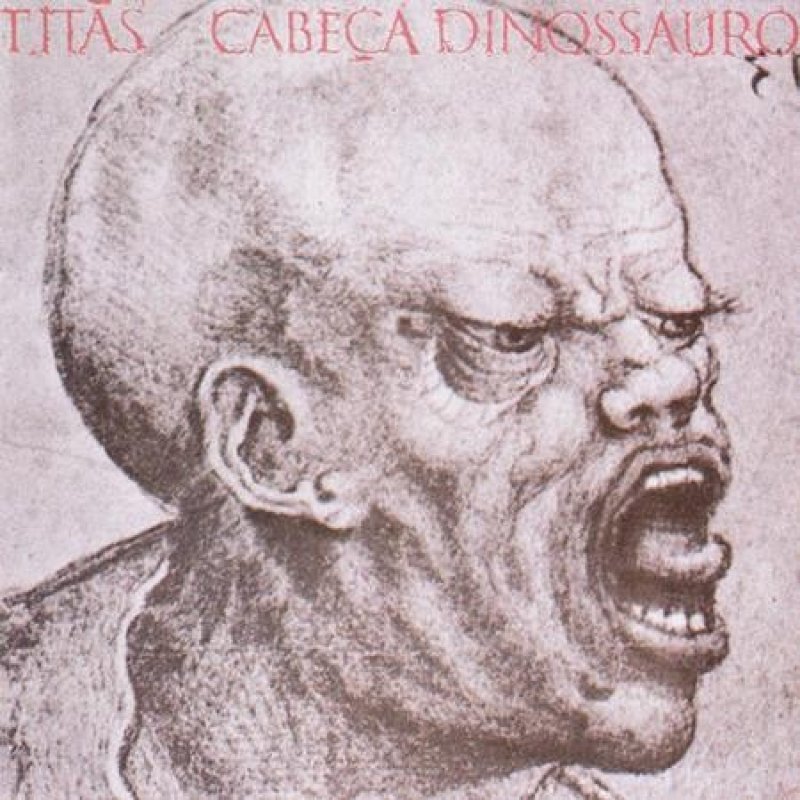
Cabeça dinossauro
Titãs · 1986
1986
As Quatro Estações
Legião Urbana
1989
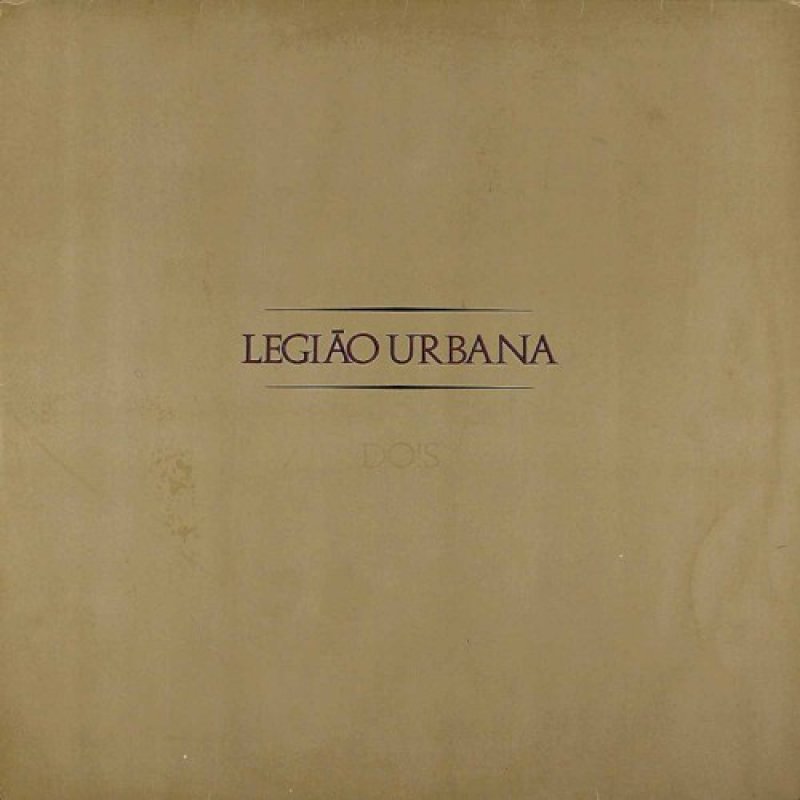
Dois
Legião Urbana · 1986
1986
Selvagem?
Os Paralamas do Sucesso
1986
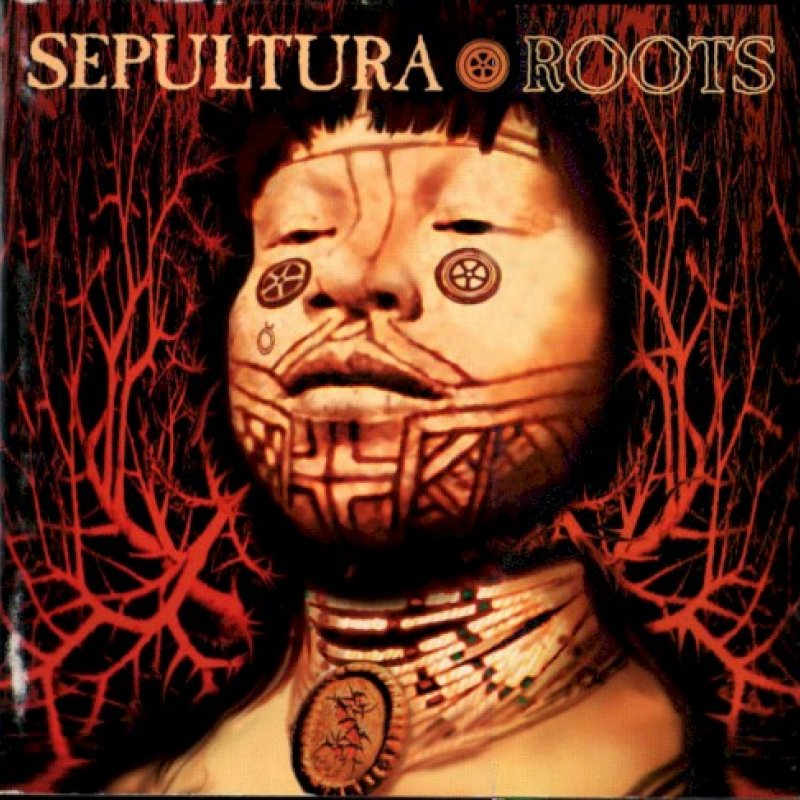
Roots
Sepultura · 1996
1996
Ventura
Los Hermanos
2003
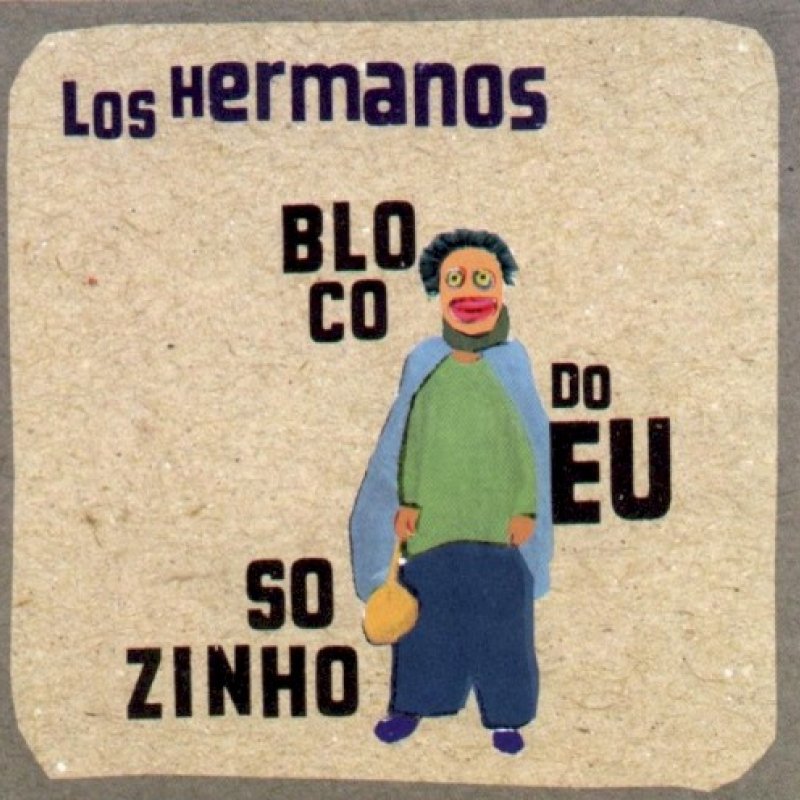
Bloco Do Eu Sozinho
Los Hermanos · 2001
2001
Que País É Este
Legião Urbana
1987
Admito
Pitty
2003
Da Lama ao Caos
Chico Science & Nação Zumbi
1994
The full series
Brazil
Samba, bossa nova, MPB, tropicalia. The densest musical culture in the continent.
-
CAP 01
🇧🇷 Ch 01
Samba: The Heartbeat of a Country (1917–present)
Samba was not born in a recording studio nor in a concert hall. It was born in
-
CAP 02
🇧🇷 Ch 02
The Bossa Nova: When Brazil Whispered and the World Stopped (1958–1967)
At the end of the 1950s, in the apartments of the southern zone of Rio de Janeiro —Copacabana, Ipanema, Leblon— a group of young musicians frequently gathered to play and listen. T
-
CAP 03
🇧🇷 Ch 03
Tropicália: The Electric Cry Against the Dictatorship (1967–1969)
To understand Tropicália, one must first understand Brazil in 1964. On April 1st of that year, the Armed Forces carried out a coup d'état that overthrew President João Goulart and
-
CAP 04
🇧🇷 Ch 04
MPB: Song as Resistance and Identity (1965–1985)
MPB — Brazilian Popular Music. The three initials seem simple, almost administrative. But behind them lies one of the most culturally rich, politically engaged, and artistically so
-
CAP 05 you are here
🇧🇷 Ch 05
The Brazilian Rock: The Electricity Brazil Always Needed (1982–present)
In 1982, Brazil did not have its own rock that could compete in energy and originality with what MPB and bossa nova had built in previous decades. Four years later, the scene was u
-
CAP 06
🇧🇷 Ch 06
Manguebeat and Hip-Hop: When the Periphery Took the Floor (1991–present)
There is an image that explains everything: the mangrove —the mangrove forest— as an ecosystem. The mangrove is one of the most fertile ecosystems on the planet. It lives on the bo
You might also like
3 articles picked by editorial similarity


