


🇧🇷 BR · Brazil · Chapter 2 of 6
The Bossa Nova: When Brazil Whispered and the World Stopped (1958–1967)
At the end of the 1950s, in the apartments of the southern zone of Rio de Janeiro —Copacabana, Ipanema, Leblon— a group of young musicians frequently gathered to play and listen. They were not musicians from the favelas or carnival: they were children of the Carioca middle class, many of them university students, with records of Miles Davis, Chet Baker, and Bill Evans stacked alongside those of samba and choro. In the apartment of Nara Leão —a teenager from Avenida Atlântica who decades later would be called the muse of bossa nova— Carlos Lyra, Roberto Menescal, Ronaldo Bôscoli, and Oscar Castro-Neves rehearsed. In another building on the same Nascimento Silva street, in Ipanema, lived Antônio Carlos Jobim, who already had a reputation as an arranger and composer, and who shared musical conversations with the poet Vinícius de Moraes —a diplomat, playwright, confessed womanizer, and author of one of the richest lyrical works in the Portuguese language.

From those encounters, from that productive tension between samba and jazz, between the carioca and the cosmopolitan, between the street and the apartment, something was born that did not yet have a name.
The Beat That Changed Everything
The name that changed everything came from Juazeiro, a city in the interior of Bahia. João Gilberto —Joao Gilberto Prado Pereira de Oliveira— had spent years of errant bohemia, living in friends' houses, practicing his guitar in the bathroom so as not to disturb anyone, obsessed with finding a way to play that integrated the syncopation of samba with the harmony of jazz in a way that no guitarist had attempted. He found it. They simply called it the beat — the stroke.
It was a way of shifting the rhythmic accent within the two-four measure of samba, creating a subtle polyrhythm between the right and left hand on the guitar that made the music seem simultaneously still and in motion, whispered and deep. Combined with his way of singing —close to speech, almost without vibrato, as if the words were thought out loud— the result was a completely new auditory experience.
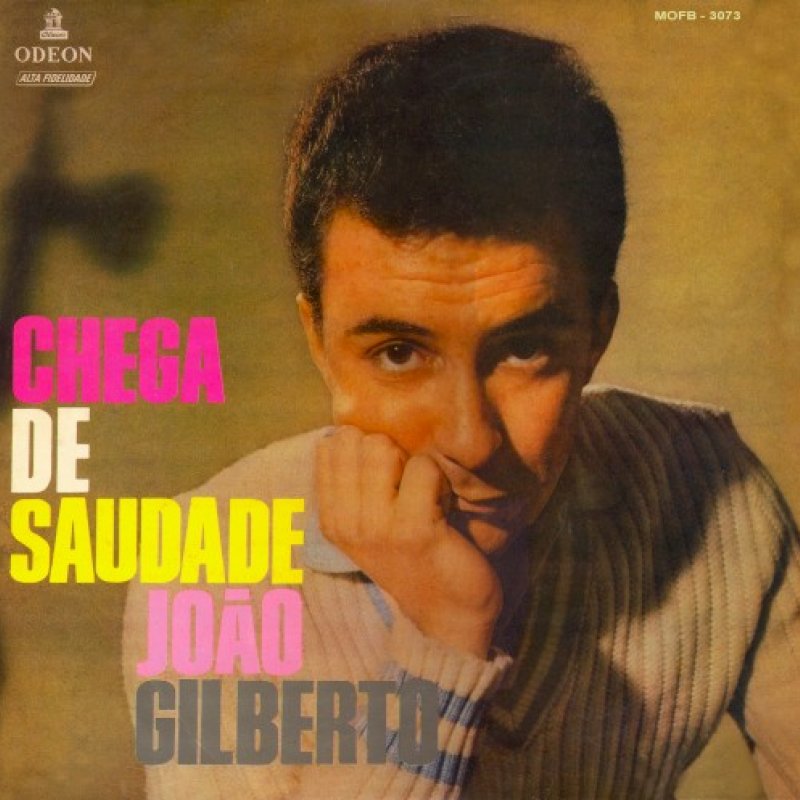
In May 1958, singer Elizeth Cardoso released Canção do Amor Demais, with compositions by Jobim and Vinícius and guitar accompaniment by João Gilberto on two tracks. That record is considered by historians to be the first recording of the bossanova beat. In July of the same year, Gilberto recorded his own single with Chega de Saudade —music by Jobim, lyrics by Vinícius— on one side, and Bim Bom —his own composition— on the other. The record was released in 1959 as an LP under the title Chega de Saudade and is universally recognized as the birth certificate of the genre.
It was not an immediate success. The radio ignored it, the labels doubted it, and part of the public rejected it for being considered too cold, too intellectual, too far from the hot samba that people knew. But among musicians, the impact was seismic. Chico Buarque, who was fourteen years old when he heard that record, would describe decades later Jobim and Gilberto as responsible for his complete musical formation.
The Trinity: Jobim, Gilberto, Vinícius
The three names are inseparable from bossa nova, but each contributed something different and irreplaceable.
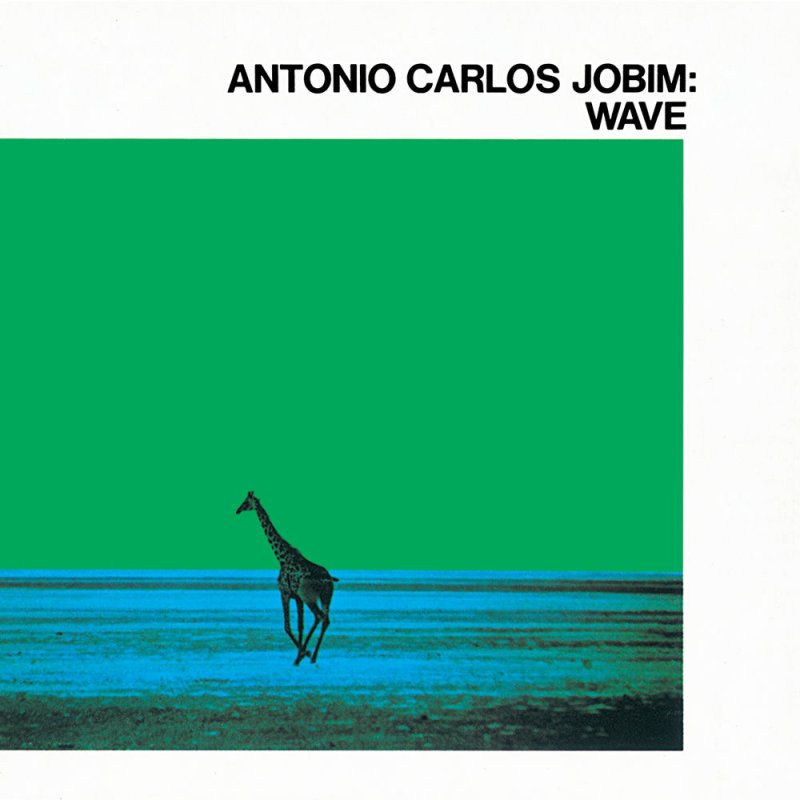
Tom Jobim —Antônio Carlos Brasileiro de Almeida Jobim, born in 1927— was the harmonic architect of the movement. A pianist trained in classical music and jazz, he had an extraordinary ability to construct chords with unusual tensions —ninths, thirteenths, chromatic alterations— that sounded simultaneously complex and natural, as if Brazilian popular music had always existed with those notes and was simply waiting for someone to discover them. His most well-known compositions —"Garota de Ipanema", "Águas de Março", "Desafinado", "Corcovado", "Wave"— form one of the most solid canonical bodies of 20th-century popular music in any language. "Garota de Ipanema" is, according to multiple sources, the second most recorded song of all time after "Yesterday" by the Beatles. The real muse had a name: Helô Pinheiro, a young green-eyed woman who passed every day in front of the Veloso bar in Ipanema on her way to the beach, and whom Jobim and Vinícius watched from their chairs.
João Gilberto was the perfect interpreter: the guitarist who had invented the language and the singer who knew how to use it. His silence was as musical as his notes. Chico Buarque would say that listening to João Gilberto was like listening to someone think out loud. He had a hermit-like and difficult personality —his recordings are scarce, his live appearances became increasingly rare and more legendary— but his influence on generations of Brazilian guitarists and singers is total and irreversible.
Vinícius de Moraes —the poetinha, as Jobim affectionately called him— was the literary voice of the movement. A career diplomat and established poet before becoming involved with bossa nova, he brought to his lyrics the precision of well-constructed verse and an emotional sensitivity that balanced Jobim's harmonic sophistication with concrete and memorable images. His collaboration with Jobim is one of the great composer-lyricist duos in the history of popular song.
The Fourth Name: Nara Leão
The official history of bossa nova tends to underrepresent women, but Nara Leão was much more than a decorative muse. It was in her apartment where the musicians of the movement rehearsed for years, and it was her own artistic evolution that pushed bossa nova towards protest songs and then towards Tropicália. A singer of extreme delicacy, with a small and perfectly placed voice, she recorded some of the most refined albums of the genre. Her later career—politically committed, connected with the student movement and with the most critical sectors of Brazilian culture—makes her a character that transcends the stereotype of bossa nova as salon music.
Carnegie Hall: when Brazil arrived in New York
On November 21, 1962, Carnegie Hall in New York was the scene of a concert that would change the history of 20th-century popular music. Sidney Frey, an entrepreneur from the record label Audio Fidelity, had organized the Bossa Nova at Carnegie Hall with a lineup that included João Gilberto, Tom Jobim, Sérgio Mendes, Luiz Bonfá, Carlos Lyra, Roberto Menescal, and Oscar Castro-Neves. In the audience of three thousand people were musicians of the caliber of Tony Bennett and Miles Davis.
The concert had sound problems and received mixed reviews in the specialized press. But its impact was irreversible: it put Brazil on the map of international popular music and generated the contacts that would produce the most influential album of the genre eighteen months later.
Getz/Gilberto (1964) brought together saxophonist Stan Getz with João Gilberto and Tom Jobim, with Astrud Gilberto — João's wife — singing "The Girl from Ipanema" in English. It won four Grammy Awards, including Album of the Year, and sold millions of copies. It was the first album by a Latin American artist to win that award. The internationalization of bossa nova was a consummated fact.
Internal tension and the end of the movement as such
The international success created a painful paradox. On one hand, musicians like Sérgio Mendes brought bossa nova to the Anglo-Saxon pop world with arrangements increasingly oriented towards the American market, dissolving it into easy listening. On the other, a more nationalist current—led by Carlos Lyra, Dorival Caymmi, and Nara Leão in her later evolution—demanded a return to Brazilian roots and a more explicit commitment to the social reality of the country under the military dictatorship established in 1964.
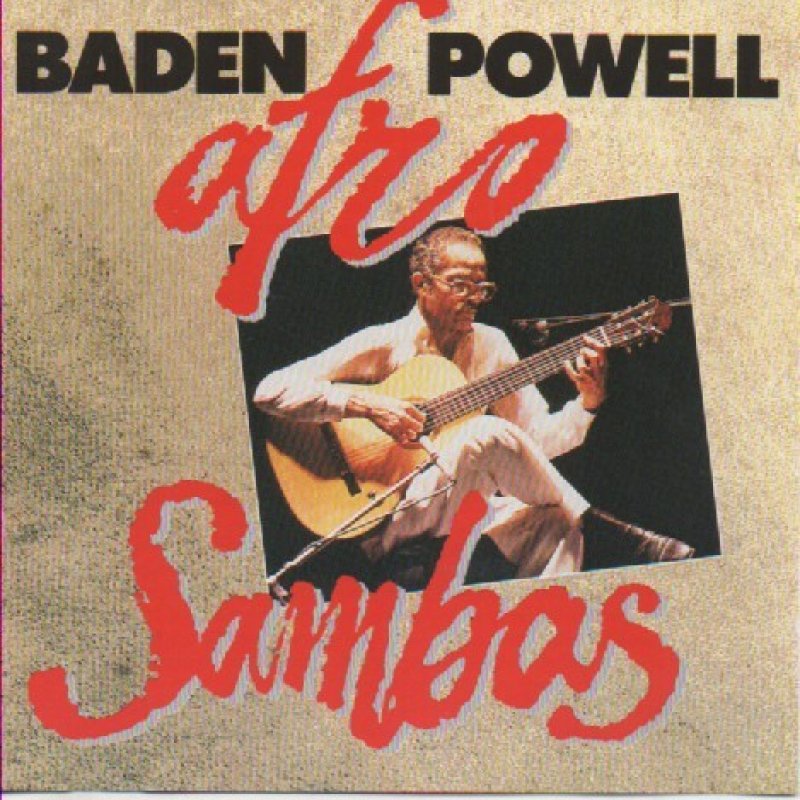
In this context, the most beautiful collaboration of Vinícius outside his partnership with Jobim occurred: Os Afro-Sambas (1966), recorded with guitarist Baden Powell, where bossa nova turned its eyes towards the African roots of samba and Bahian candomblé. It is one of the most unique albums in all of Brazilian music.
By 1967, the movement as such had ended. Its figures dispersed: some went into exile, others towards MPB, others towards Tropicália which was about to shake everything up. Jobim continued composing masterpieces—"Águas de Março" dates from 1972—but as an individual artist, not as a representative of a school. João Gilberto became increasingly hermetic and occasional, elevated to the category of a living myth that his rare public appearances only confirmed.
What remained was a canon of songs that the entire world has continued to record, perform, and reinvent for more than six decades. Few popular musics of the 20th century have that kind of permanence.
The Legacy
Bossa nova was not just a genre: it was a demonstration that popular music can be simultaneously sophisticated and intimate, scholarly and physical, local and universal. It directly influenced American jazz in the 1960s—Bill Evans, Miles Davis, and John Coltrane were declared fans—anticipated the aesthetics of chamber pop, and remains a mandatory reference for any musician working at the intersection of jazz, song, and Latin American music.
Brazil gave the world samba, and then it gave bossa nova. With these two gifts, it would have already reached eternity.
10 · 5 en DoReSol
Top 10 Essential Bossa Nova Albums
Chega de saudade
João Gilberto · 1959
1959
Getz/Gilberto
Stan Getz & João Gilberto
1964
O amor, o sorriso e a flor
João Gilberto · 1960
1960
Canção do Amor Demais
Elizeth Cardoso
1958
The Composer of Desafinado Plays
Tom Jobim
1963
Os afro-sambas
Baden Powell · 1966
1966
Nara
Nara Leão
1964
Edu e Tom
Edu Lobo & Tom Jobim
1981
Wave
Antonio Carlos Jobim · 1967
1967
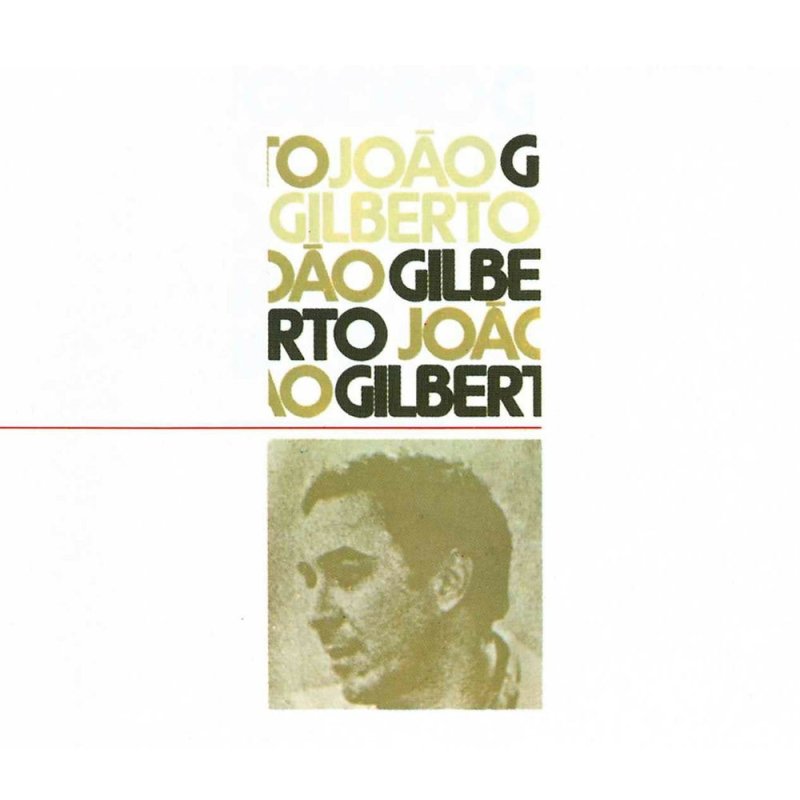
João Gilberto
João Gilberto · 1962
1961
The full series
Brazil
Samba, bossa nova, MPB, tropicalia. The densest musical culture in the continent.
-
CAP 01
🇧🇷 Ch 01
Samba: The Heartbeat of a Country (1917–present)
Samba was not born in a recording studio nor in a concert hall. It was born in
-
CAP 02 you are here
🇧🇷 Ch 02
The Bossa Nova: When Brazil Whispered and the World Stopped (1958–1967)
At the end of the 1950s, in the apartments of the southern zone of Rio de Janeiro —Copacabana, Ipanema, Leblon— a group of young musicians frequently gathered to play and listen. T
-
CAP 03
🇧🇷 Ch 03
Tropicália: The Electric Cry Against the Dictatorship (1967–1969)
To understand Tropicália, one must first understand Brazil in 1964. On April 1st of that year, the Armed Forces carried out a coup d'état that overthrew President João Goulart and
-
CAP 04
🇧🇷 Ch 04
MPB: Song as Resistance and Identity (1965–1985)
MPB — Brazilian Popular Music. The three initials seem simple, almost administrative. But behind them lies one of the most culturally rich, politically engaged, and artistically so
-
CAP 05
🇧🇷 Ch 05
The Brazilian Rock: The Electricity Brazil Always Needed (1982–present)
In 1982, Brazil did not have its own rock that could compete in energy and originality with what MPB and bossa nova had built in previous decades. Four years later, the scene was u
-
CAP 06
🇧🇷 Ch 06
Manguebeat and Hip-Hop: When the Periphery Took the Floor (1991–present)
There is an image that explains everything: the mangrove —the mangrove forest— as an ecosystem. The mangrove is one of the most fertile ecosystems on the planet. It lives on the bo
You might also like
3 articles picked by editorial similarity


