


🇦🇷 AR · Argentina · Chapter 7 of 10
The National Rock of the 90s: The Decade that Multiplied Everything (1990–2001)
The nineties were for Argentine rock what the sixties were for English rock: the moment when everything multiplied at the same time. The artists who had built their careers in the eighties reached their creative peak. A new generation burst in with a different energy. Stadiums replaced theaters. And Argentine rock definitively crossed the Río de la Plata to become the sound of all Latin America.

Democracy was ten years old. Hyperinflation had decimated the middle class in 1989. Menemism was turning everything into money. And in that context of economic chaos and consumerist fascination, Argentine rock produced some of its most important albums.
Fito Páez: The Love that Sold a Million
Rodolfo Páez BaladaFito Páez — was born on March 13, 1963, in Rosario. He grew up with a personal history marked by tragedy — his mother, grandmother, and great-aunt were murdered when he was sixteen — and that early experience of pain is heard throughout his music: the urgency to live from someone who knows life can end at any moment.
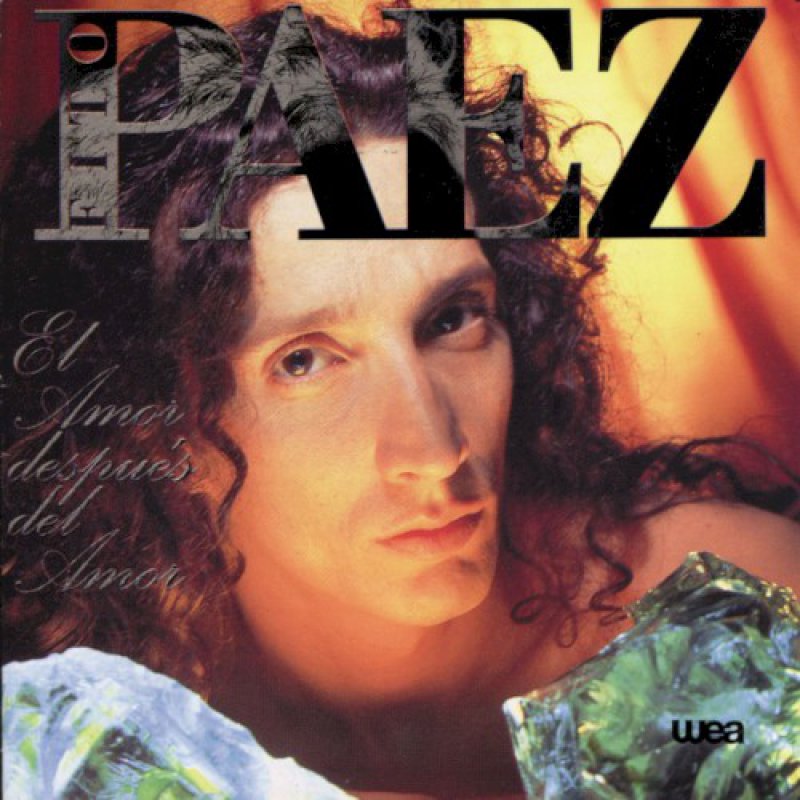
In 1992, at twenty-nine years old and with six albums already released, Fito Páez launched the album that would change everything: The Love After Love.
The album was released on June 1, 1992, and is the best-selling Argentine rock album in history, with over a million copies sold. Fito Páez invited top-tier musicians: Luis Alberto Spinetta, Charly García, Andrés Calamaro, Mercedes Sosa, Gustavo Cerati, Fabiana Cantilo.
What Fito did was something no Argentine rock artist had achieved before: to create an album that sounded simultaneously intimate and massive, personal and universal, with the production of a radio pop album and the emotional depth of a personal diary. Fourteen songs, ten of which were released as singles.
"The Love After Love"Listen — the title track, is the most direct love declaration Páez had written: the rediscovery of love after a breakup, inspired by the beginning of his relationship with actress Cecilia Roth.
"Tombs of Glory"Listen — was his darkest look at the Menem era: Argentina burying its dreams in the glimmers of consumption.
"A Dress and a Love"Listen — was the most radio-friendly hit: three minutes of perfect pop that played in every car in Argentina in the summer of 1992.
Los Redonditos de Ricota: The Biggest Band Without Television
Patricio Rey y sus Redonditos de Ricota are probably the most extraordinary rock band Argentina has produced, for a specific reason: they became the biggest mass phenomenon of Argentine rock without ever appearing on television, without ever relying on a multinational record label.
The band was formed in La Plata in 1976 and was mostly composed of Indio Solari (vocals and composition), Skay Beilinson (guitar and composition), Semilla Bucciarelli (bass), Walter Sidotti (drums), and Sergio Dawi (saxophone, harmonica, and piano).
The secret of their music lies in the Solari-Beilinson tandem: the former writing memorable lyrics and singing them in a manner as unique as it is precise; the latter providing textures, fire, and rock and roll with a guitar playing style reminiscent of both Hendrix and The Edge.
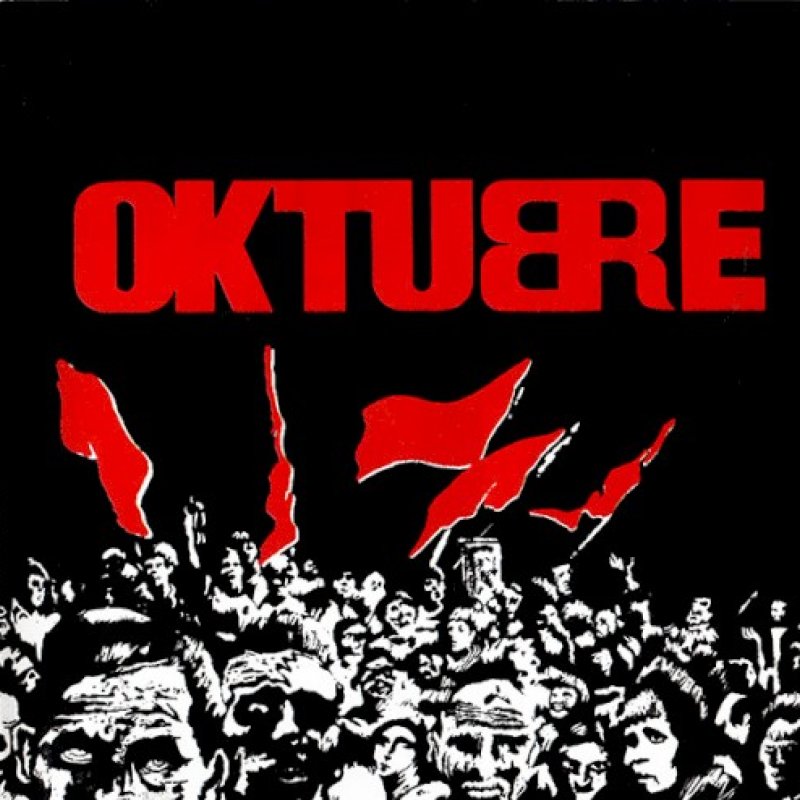
Oktubre (1986) — was the album that launched them to mass popularity: a basically political album — the title Oktubre with a k and an inverted b reminiscent of Cyrillic — with songs like "Jijiji"Listen — that became anthems of a generation.
In the nineties, Los Redondos filled stadiums and then airfields where one hundred fifty thousand people could gather, then two hundred thousand. Some shows by Indio Solari recorded up to half a million people.
The band never officially announced their breakup — they simply stopped playing in 2001. That indefinition is also part of their mythology: Los Redondos didn't end, they just paused.
Andrés Calamaro: The Poet of Excess
Andrés Calamaro — born in Buenos Aires on August 22, 1961 — was one of the founders of Los Abuelos de la Nada in the eighties and then moved to Spain, where he formed Los Rodríguez.
His most important work was as a solo artist: Honestidad Brutal (1999) — the triple album recorded in Madrid during one of the most chaotic periods of his personal life, with songs that described excess, obsessive love, and existential weariness with a honesty that the title promised and the music delivered.
"Flaca"Listen — was his most popular song: the description of obsessive love in physical terms, with that mix of tenderness and urgency that defines the best romantic pop in Spanish.
The Stadium Generation
The nineties also produced the first generation of Argentine rock bands that filled stadiums from the beginning of their careers.
DivididosRicardo Mollo, Diego Arnedo and Federico Gil Solá — were the most powerful and socially committed rock band: their rock mixed blues, Argentine folklore, and hard rock with lyrics that described the Argentina of the crisis with the precision of a journalist and the rage of an artist. "La bestia pop" — — was their most direct statement against menemism.
Los PiojosAndrés Ciro Martínez and company — mixed rock with reggae and folklore with a festive energy that made them the most beloved band by the Argentine working class of the nineties.
Bersuit Vergarabat — with Gustavo Cordera — were the most irreverent: their mix of cumbia, ska, rock, and critical poetry produced songs that made people laugh and think at the same time. "Sr. Cobranza" — — was their most direct denunciation of the financial system that would sink Argentina in 2001.
The End of the Decade: Crisis and Transformation
On December 20, 2001, Argentina experienced the greatest economic and political crisis in its modern history: the banking freeze, the resignation of five presidents in two weeks, the banging of pots and pans in the streets, the deaths during protests.
Argentine rock responded with the immediacy that had always characterized its relationship with reality: in the following months, dozens of songs described the crisis from within, with the anger and confusion of those who were living it while trying to name it.
Editorial note: Los Redonditos de Ricota never appeared on television, never signed with a multinational, never advertised their albums in mass media. And they filled airfields with two hundred thousand people. This phenomenon — the biggest band in Argentine rock built completely outside the system that supposedly decides what is popular and what is not — is the most perfect demonstration that the audience has its own intelligence, which the cultural industry frequently underestimates. The fans didn't need television to tell them that Los Redondos were great. They knew it beforehand. And television never saw them coming.
10 · 4 en DoReSol
Top 10 of Argentine Rock: The 90s
El Amor Después del Amor (album)
Fito Páez · 1992
The best-selling Argentine rock album in history. One million copies. The synthesis of an entire generation in a single artistic object.
Oktubre (album)
Los Redonditos de Ricota · 1986
The most emblematic album by Los Redondos. The most sophisticated political rock from the underground becoming a mass phenomenon without asking permission.
Jijiji
Patricio Rey y sus Redonditos de Ricota · 1986
The most sung anthem by Los Redondos. Skay Beilinson's riff that half a million people chanted at airfields across the country.

Flaca
Andrés Calamaro · 1997
Romantic pop in Spanish in its most honest version. Love obsession described with tenderness and irresistible urgency.
Tumbas de la Gloria
Fito Páez · 1992
Páez's darkest look at Menemism. An Argentina burying its dreams in the glitter of consumption.
La bestia pop
Divididos · 1993
The most direct indictment by Argentine rock of the nineties against the culture of empty spectacle.
Honestidad Brutal (album)
Andrés Calamaro · 1999
The triple album of excess and lucidity combined. Calamaro describing his own chaos with the honesty the title promised.
Un vestido y un amor
Fito Páez · 1992
The most radio-friendly hit from the best-selling album. Perfect pop that played in every car in Argentina in the summer of 1992.
Mr. Collection
Bersuit Vergarabat · 1998
The denunciation of the financial system that would sink Argentina in 2001, sung with the dark humor of someone who already saw what was coming.
A Little French Love
Los Redonditos de Ricota · 1991
Indio Solari in his most romantic and darkest version at the same time.
3 canciones · en DoReSol
Practice these songs on Doresol
Flaca
Andrés Calamaro · 1997
Jijiji
Patricio Rey y sus Redonditos de Ricota · 1986
Tumbas de la Gloria
Fito Páez · 1992
The full series
Argentina
Tango, rock nacional and folklore — the sound of a country telling its own story.
-
CAP 01
🇦🇷 Ch 01
The Roots: The Three Worlds That Made a Music (centuries XV–XIX)
Argentina is the eighth largest country in the world: 2.780.400 square kilometers that stretch from the subtropical rainforest in the north to the Patagonian channels in the south,
-
CAP 02
🇦🇷 Ch 02
Tango: The Music that Buenos Aires Gave to the World (1880–1955)
Tango was not born in the elegant salons of Buenos Aires nor in the downtown theaters. It was born in the outskirts — the peripheral neighborhoods where newly arrived European immi
-
CAP 03
🇦🇷 Ch 03
The Modern Tango: Piazzolla and the Revolution that No One Forgave (1955–1992)
There are artists who do well what already exists. And there are artists who destroy what exists to build something new on the ruins. **Astor Piazzolla** belongs to the second cate
-
CAP 04
🇦🇷 Ch 04
Folklore: The Voice of Deep Argentina (1930–1990)
The tango was Buenos Aires: the port, the tenement, the outskirts, the city that looked towards Europe with nostalgia. The folklore was everything else: the Andean northwest with i
-
CAP 05
🇦🇷 Ch 05
The Foundational National Rock: La Balsa, El Flaco, and the Blues of Bajo Belgrano (1966–1973)
In the mid-sixties, the rock that played in Argentina was rock in English: bands that copied the Beatles, the Rolling Stones, the Animals, with the same attitude with which Latin A
-
🇦🇷 Ch 06
The National Rock of the 80s: The Music that Survived the Dictatorship (1976–1989)
On March 24, 1976, a coup d'état installed the most brutal dictatorship in Argentina's history: the **National Reorganization Process**, which for seven years disappeared thirty th
-
🇦🇷 Ch 07
The National Rock of the 90s: The Decade that Multiplied Everything (1990–2001)
The nineties were for Argentine rock what the sixties were for English rock: the moment when everything multiplied at the same time. The artists who had built their careers in the
-
🇦🇷 Ch 08
Cumbia and Cuarteto: Tunga-Tunga and the Villas (1940–today)
For decades, cumbia and cuarteto were the music that Buenos Aires ignored. They played in neighborhood clubs, in shantytowns, in the warehouses on the outskirts where people danced
-
🇦🇷 Ch 09
Pop and Indie: The Screen and Heart Generation (2001–2020)
On December 20, 2001, Argentina fell. The banking system collapsed, the middle class lost their savings, five presidents resigned in two weeks, and people took to the streets to ba
-
🇦🇷 Ch 10
Trap and Reggaeton: The Global Generation (2015–today)
In January 2023, a song produced in a studio in Ramos Mejía — a district in Greater Buenos Aires where no one would have looked for the center of global music — became number one o
You might also like
3 articles picked by editorial similarity


