


🇦🇷 AR · Argentina · Chapter 6 of 10
The National Rock of the 80s: The Music that Survived the Dictatorship (1976–1989)
On March 24, 1976, a coup d'état installed the most brutal dictatorship in Argentina's history: the **National Reorganization Process**, which for seven years disappeared thirty thousand people, censored culture, banned books and songs, and turned fear into the permanent climate of everyday life.

Argentine rock did not disappear with the dictatorship. It did something more difficult: it survived within it, with the resources it had available — metaphor, ambiguity, the shared code between the artist and the audience who knew exactly what the song was saying even though the song never said it directly.
Faced with the impossibility of direct protest, artists like León Gieco and the superband Serú Girán resorted to sharp metaphors and symbolic lyrics to denounce the repression and the suffocating atmosphere experienced in the major urban centers.
This need to say without saying produced some of the most beautiful and complex songs in Argentine rock. Censorship, paradoxically, made Argentine rock better — it forced it to be more intelligent, more poetic, more sophisticated than it would have been if it had been able to say everything directly.
Serú Girán: The Superband of Resistance
Charly García, Pedro Aznar, David Lebón, and Oscar Moro formed Serú Girán in 1978 — during the dictatorship — and built in four years of career the most important rock project of that era in Argentina.
Charly GarcíaCarlos Alberto García Moreno, born in Buenos Aires on October 23, 1951 — had spent the seventies in Sui Generis and La Máquina de Hacer Pájaros. Serú Girán was his crowning work of the period: a band capable of simultaneously making complex progressive rock and perfectly accessible pop songs, on the same album.
"La Grasa de las Capitales" (1979)Listen — was their most direct statement: the denunciation of the Argentine middle class that collaborated with the dictatorship out of convenience, fear, for the privilege of continuing to watch television while the State disappeared people. "Those people are crazy / those people are crazy" — the most lucid diagnosis of the period in a song that radio stations played because it sounded like pop.
Going from Bed to Living Room: The Album of Dictatorial Agony
In August 1982, after the Falklands War ended and with the dictatorship in its last year of agony, Charly García recorded his first solo album: Going from Bed to Living Room.
Charly was 30 years old at the time. The album features stellar guests such as Luis Alberto Spinetta, Pedro Aznar, and León Gieco, who is credited under the pseudonym "Ricardo Gómez" due to contractual restrictions with his record label.
"Inconsciente Colectivo" — — is the most important song on the album and one of the most important in Argentine rock: a meditation on the collective consciousness of a country that had chosen not to see what was happening around it.
"No Bombardeen Buenos Aires" — — was the direct response to the Falklands War: the song that pleaded not to bomb the city while the dictatorship had bombed its own people.
The double album sold 60,000 copies in a month and over time has been regarded as a true masterpiece that continues to serve as a talisman against oppression and authoritarianism.
Spinetta: The Eternal Master
While Charly García was the most popular artist of Argentine rock in the eighties, Luis Alberto Spinetta was its artistic conscience — the composer who never lowered the bar, who never made concessions to the market, producing album after album of unparalleled demand.
Invisible (1973-1977) was his most ambitious project of the period: jazz-rock of a complexity that constantly challenged the listener, with melodies of a beauty that made the effort worthwhile.
"Barro Tal Vez"Listen — composed when Spinetta was fifteen years old, recorded decades later, is the song that best summarizes his relationship with transience: "I am clay too / I continue towards the sea / I seek my identity / until the end."
Soda Stereo: The Rock that Crossed the River
In 1982, three young men from Buenos Aires formed the band that would take Argentine rock further beyond its borders than any other before: Soda StereoGustavo Cerati, Zeta Bosio, and Charly Alberti.
What Soda Stereo did was take the English new wave and post-punk — Depeche Mode, The Police, The Cure — and process it through the Buenos Aires sensibility to create something completely contemporary internationally and completely Argentine in character.
"Nada Personal" (1985)Listen — was the album that established them as the most important band of the new generation.
"Cuando pase el temblor" — — was their most Latin American song: a cumbia-rock with Andean percussion that showed Soda Stereo was building something unique with all available materials.
Cerati died on September 4, 2014, after four years in a vegetative state following a stroke on stage. It was the most massive mourning Argentine rock had produced.
Rock in the Falklands: The Ultimate Contradiction
The 1982 Falklands War produced one of the most contradictory situations in the history of Argentine rock: the dictatorship that had persecuted rock for six years banned Anglo-Saxon music on the radio — inadvertently promoting Argentine rock during the conflict.
When the war ended in defeat, the dictatorship collapsed — and rock remained as the genre of resistance even though it had never been able to openly resist.
The Democratic Spring: 1983 and Everything That Came After
On December 10, 1983, Raúl Alfonsín assumed the presidency and democracy returned to Argentina. Argentine rock responded with an explosion of creativity.
León Gieco released "Solo le pido a Dios" — which became the anthem of the recovered democracy: the most sung peace song of Argentine rock, which Mercedes Sosa took to the whole world.
Charly García responded with Piano Bar (1984) and Clics Modernos (1983) — his two most ambitious albums — produced with the newly regained freedom.
Editorial Note: In 1982, León Gieco had to appear on Charly García's album under the false name "Ricardo Gómez" because his contract with another record label prevented him from doing so. A musician who sang about freedom had to hide his name to be able to sing. That small and almost comical anecdote contains all the complexity of making rock in Argentina under the dictatorship: the need to speak, the obstacles to saying it, the creativity that found paths where the rules said there were none. Art under oppressive conditions does not surrender. It becomes smarter.
10 · 5 en DoReSol
Top 10 of National Rock from the 80s
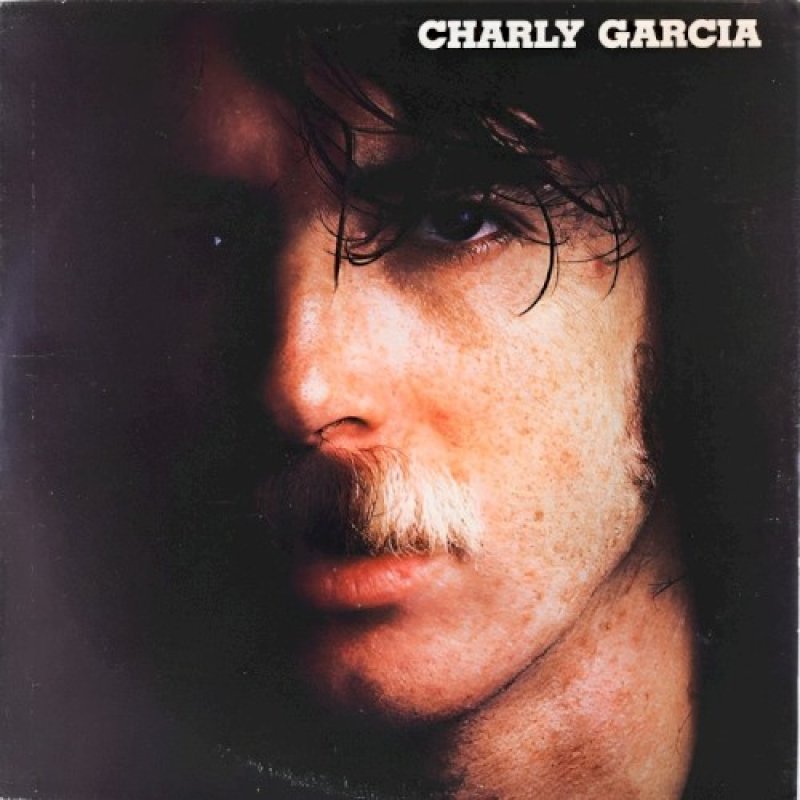
Inconsciente colectivo
Charly García · 1982
The most important song of Argentine rock during the dictatorship. The collective conscience of a country that chose not to see.
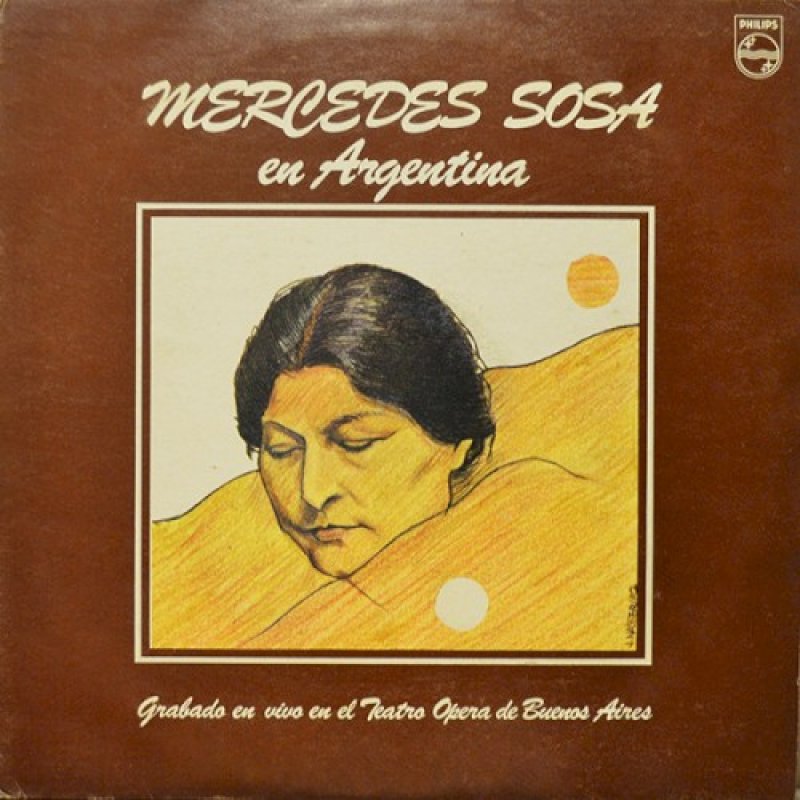
Sólo le pido a Dios
Mercedes Sosa · 1982
The anthem of regained democracy. Mercedes Sosa took it to the whole world.
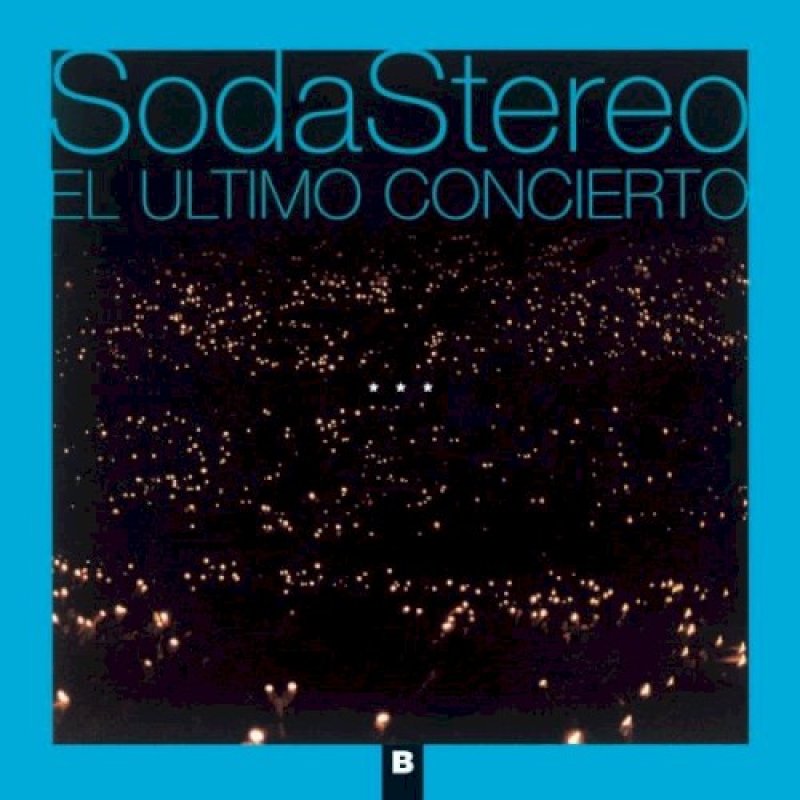
Cuando pase el temblor
Soda Stereo · 1997
The cumbia-rock with Andean percussion. Soda Stereo building something unique with all available materials.
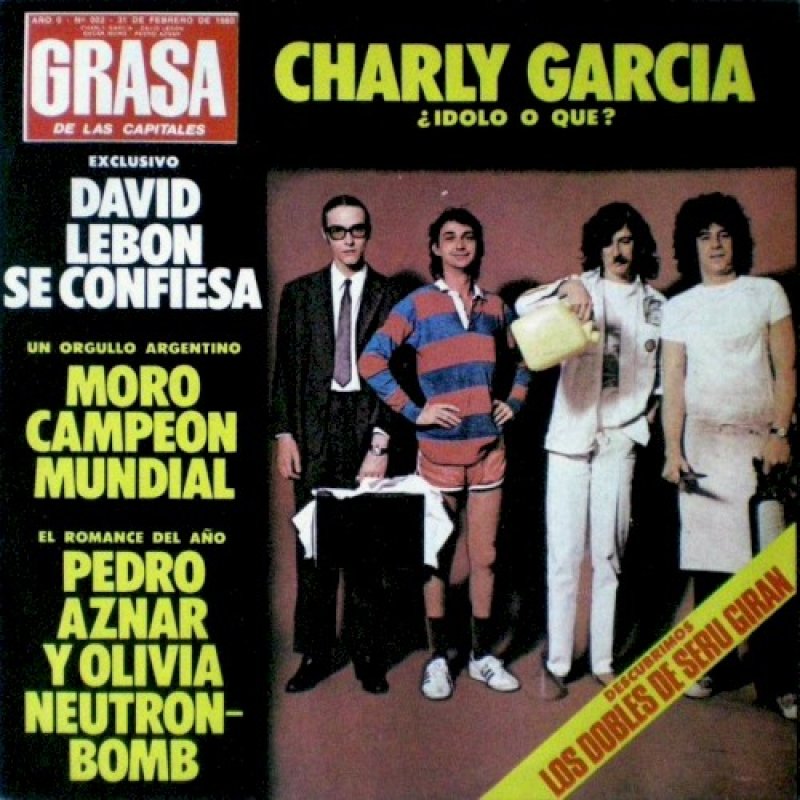
La grasa de las capitales
Serú Girán · 1979
The denunciation of the middle class complicit with the dictatorship in a pop song that radio stations played without fully understanding what it said.
Don't Bomb Buenos Aires
Charly García · 1982
The direct response to the Falklands War.
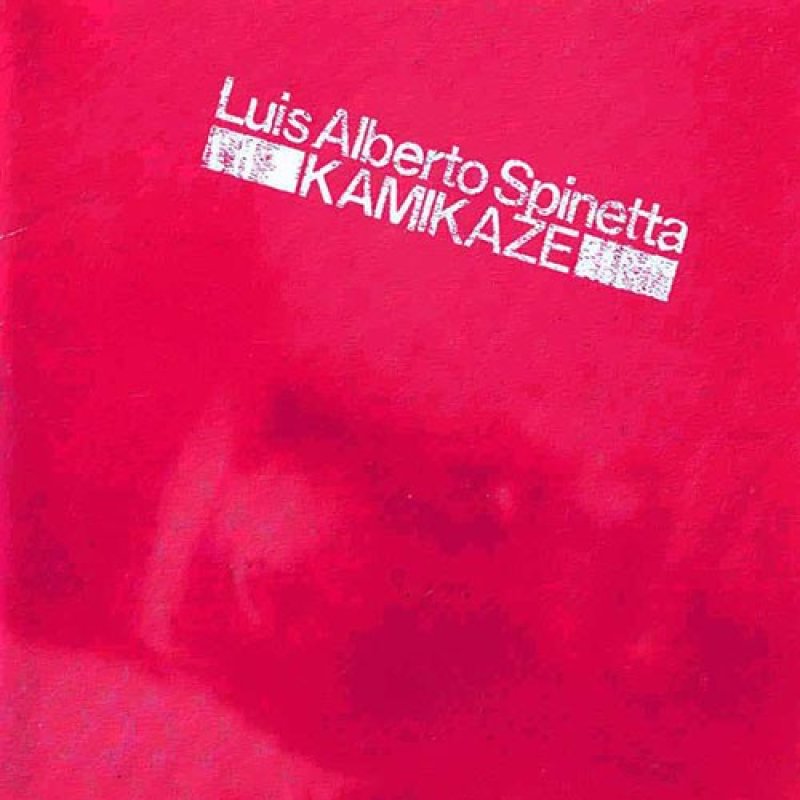
Barro tal vez
Luis Alberto Spinetta · 1982
Composed at fifteen years old. The existential poetry of Argentine rock in its purest form.
Nothing Personal (album)
Soda Stereo · 1985
The album that established Soda Stereo as the most important band of the new generation.
Going from Bed to Living Room
Charly García · 1982
The title song of the foundational album. The metaphor of social paralysis under the dictatorship.
The Garden of the Present (album)
Invisible · 1976
Spinetta during the dictatorship producing the most ambitious jazz-rock of Argentine rock.
Light Music
Soda Stereo · 1990
Cerati's most perfect song. Argentine rock reaching the end of the decade with full maturity.
1 canción · en DoReSol
Practice these songs in Doresol
The full series
Argentina
Tango, rock nacional and folklore — the sound of a country telling its own story.
-
CAP 01
🇦🇷 Ch 01
The Roots: The Three Worlds That Made a Music (centuries XV–XIX)
Argentina is the eighth largest country in the world: 2.780.400 square kilometers that stretch from the subtropical rainforest in the north to the Patagonian channels in the south,
-
CAP 02
🇦🇷 Ch 02
Tango: The Music that Buenos Aires Gave to the World (1880–1955)
Tango was not born in the elegant salons of Buenos Aires nor in the downtown theaters. It was born in the outskirts — the peripheral neighborhoods where newly arrived European immi
-
CAP 03
🇦🇷 Ch 03
The Modern Tango: Piazzolla and the Revolution that No One Forgave (1955–1992)
There are artists who do well what already exists. And there are artists who destroy what exists to build something new on the ruins. **Astor Piazzolla** belongs to the second cate
-
CAP 04
🇦🇷 Ch 04
Folklore: The Voice of Deep Argentina (1930–1990)
The tango was Buenos Aires: the port, the tenement, the outskirts, the city that looked towards Europe with nostalgia. The folklore was everything else: the Andean northwest with i
-
CAP 05
🇦🇷 Ch 05
The Foundational National Rock: La Balsa, El Flaco, and the Blues of Bajo Belgrano (1966–1973)
In the mid-sixties, the rock that played in Argentina was rock in English: bands that copied the Beatles, the Rolling Stones, the Animals, with the same attitude with which Latin A
-
🇦🇷 Ch 06
The National Rock of the 80s: The Music that Survived the Dictatorship (1976–1989)
On March 24, 1976, a coup d'état installed the most brutal dictatorship in Argentina's history: the **National Reorganization Process**, which for seven years disappeared thirty th
-
🇦🇷 Ch 07
The National Rock of the 90s: The Decade that Multiplied Everything (1990–2001)
The nineties were for Argentine rock what the sixties were for English rock: the moment when everything multiplied at the same time. The artists who had built their careers in the
-
🇦🇷 Ch 08
Cumbia and Cuarteto: Tunga-Tunga and the Villas (1940–today)
For decades, cumbia and cuarteto were the music that Buenos Aires ignored. They played in neighborhood clubs, in shantytowns, in the warehouses on the outskirts where people danced
-
🇦🇷 Ch 09
Pop and Indie: The Screen and Heart Generation (2001–2020)
On December 20, 2001, Argentina fell. The banking system collapsed, the middle class lost their savings, five presidents resigned in two weeks, and people took to the streets to ba
-
🇦🇷 Ch 10
Trap and Reggaeton: The Global Generation (2015–today)
In January 2023, a song produced in a studio in Ramos Mejía — a district in Greater Buenos Aires where no one would have looked for the center of global music — became number one o
You might also like
3 articles picked by editorial similarity


