The story behind
Lejísimo, according to DoReSol
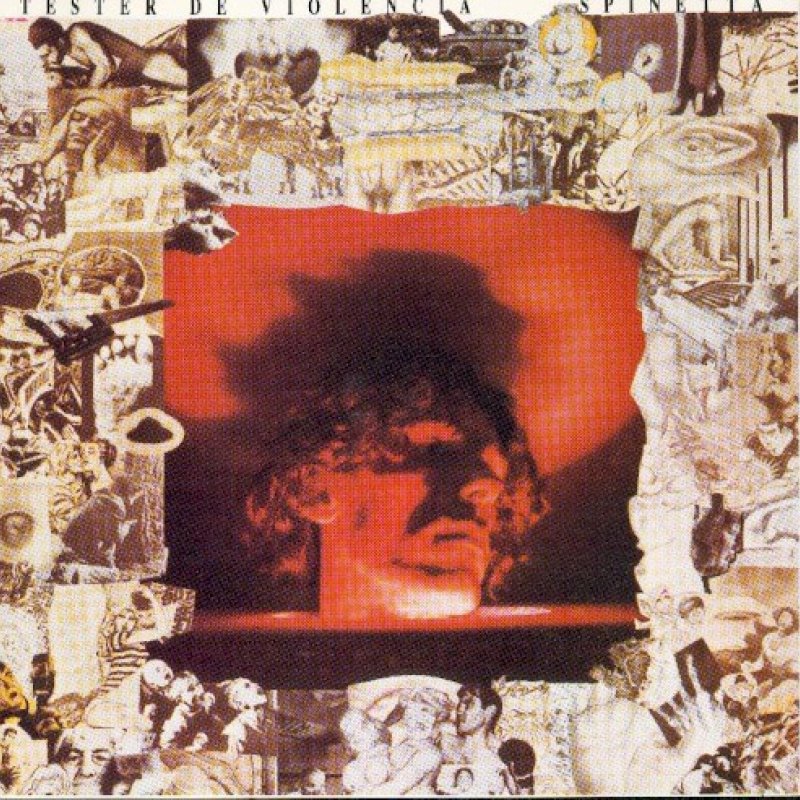
The first time Lejísimo was played live, at the Teatro Astral in Buenos Aires in June 1987, the audience didn’t know they were listening to anything more than a song: it was the seed of a sonic journey Spinetta had been carrying for months. The track opens Téster de violencia —the album he recorded in 1988— with an ethereal air, as if the very air stretched between the musicians’ fingers. The lyrics, with their image of a sky that is "lejísimo" (so distant), offering no answers but only questions, serve as the perfect counterpoint to the album’s conceptual weight: while the record explores violence through the body, Lejísimo elevates it to the spiritual without falling into dogma. There’s a verse that sums it all up: "violenta ecuación de vivir sin un por qué" (a violent equation of living without a why), a phrase that sounds both like a diagnosis and a consolation at once.
The album was born at a time when Argentina was trying to breathe after the dictatorship, yet the air remained heavy. Spinetta had just finished La, la, la with Fito Páez, and shortly after, the murder of his bandmate’s mothers left a deep mark on him. By the time he recorded Téster de violencia, the country was already showing the first cracks of democracy: the impunity laws of 1986 and the military rebellions of 1987 reminded everyone that violence wasn’t just an abstract concept. Mono Fontana, who handled all the keyboard arrangements, gave the album a texture that oscillates between raw and ethereal, and Lejísimo is its clearest example: Jota Morelli’s drums pulse with almost clinical precision, while Spinetta’s and Guillermo Arrom’s guitars weave a dialogue that seems to float. Four minutes and forty seconds long, yet time dissolves when the track enters that "evaporation" Spinetta spoke of: it’s not a song you sing, but one you inhabit.
From album

Tester de violencia
Luis Alberto Spinetta · 1988 · Track 1
Details
Credits
Lyrics Luis Alberto Spinetta
Music Luis Alberto Spinetta