The story behind
La luz de la manzana, according to DoReSol
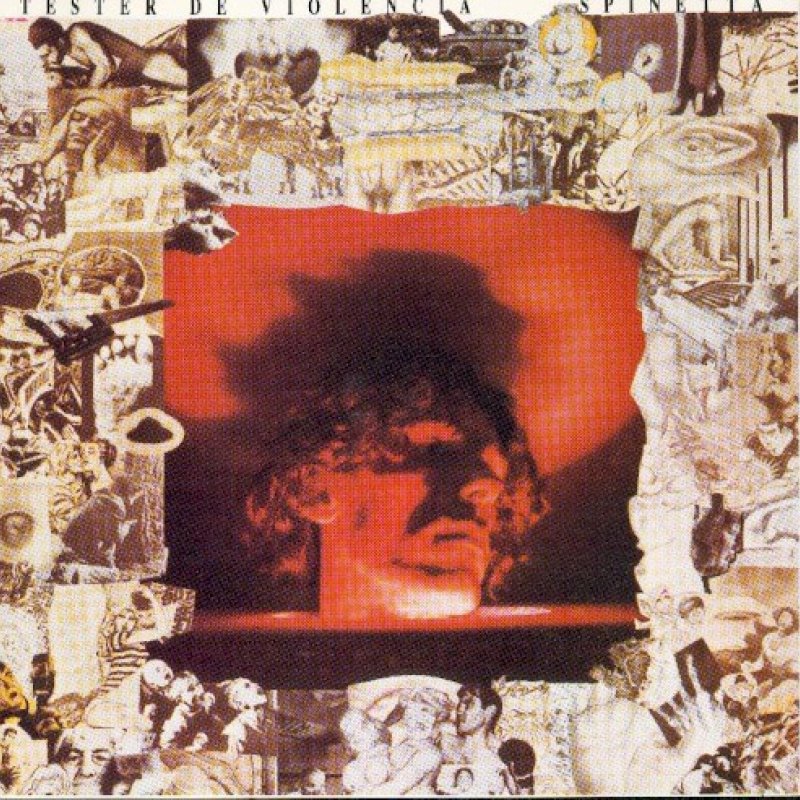
The light of the apple is not just another topic on the album Téster de violencia, but a bridge between two worlds that Spinetta valued equally: sound and what that sound evokes. The song begins with a guitar riff that seems to float, as if the instrument were breathing in slow motion, and that atmosphere lingers for the six minutes and seventeen seconds it lasts. It is not a song that strikes, but one that envelops, and that is its trap: beneath that apparent calm lies an uncomfortable question about what violence truly means when viewed from within, from the very body that suffers or inflicts it.
The lyrics play with two images that Spinetta repeated like obsessions: light and the apple. The title inverts the name of the Manzana de las Luces, that historic corner of Buenos Aires where, in colonial times, the city’s knowledge was concentrated. But Spinetta turns the concept on its head: it is not the light of the institution, but the light that arises from the organic, from what grows. The apple, for its part, is not just the fruit, but a symbol that runs through his entire work, from the name of his first band, Almendra, to albums like Para los árboles or Durazno sangrando. Here, the apple is a body that projects light, like a tree that absorbs the cosmos and returns it as energy. The song premiered in June 1987 at the Astral theater, during a concert Spinetta gave in the midst of a country that had yet to fully digest the ghosts of the dictatorship. The album Téster de violencia, released the following year, was his response to that climate: not a moral condemnation of violence, but an attempt to understand it as an inevitable part of life, like the very body that beats and, at the same time, can wound or be wounded.
From album

Tester de violencia
Luis Alberto Spinetta · 1988 · Track 4
Details
Credits
Lyrics Luis Alberto Spinetta
Music Luis Alberto Spinetta