The story behind
Siempre en la pared, according to DoReSol
There is something in that wall that does not listen. It is not just any wall: it is a presence that returns silence, that rejects any request, any attempt at dialogue. Siempre en la pared takes that image to the extreme, using the second person to speak directly to those who insist on knocking against it: "Do not ask anything of the wall, it will not listen to you." The metaphor is not accidental. For Luis Alberto Spinetta, the wall represents incommunication, that limit where words are lost and only the echo of the unsaid remains. The song, the second track of Téster de violencia (1988), works like a mirror of that climate: Argentina in the late 80s, where the newly restored democracy began to show cracks, and violence —no longer just physical, but that which inhabits bodies and relationships— seeped into every corner.
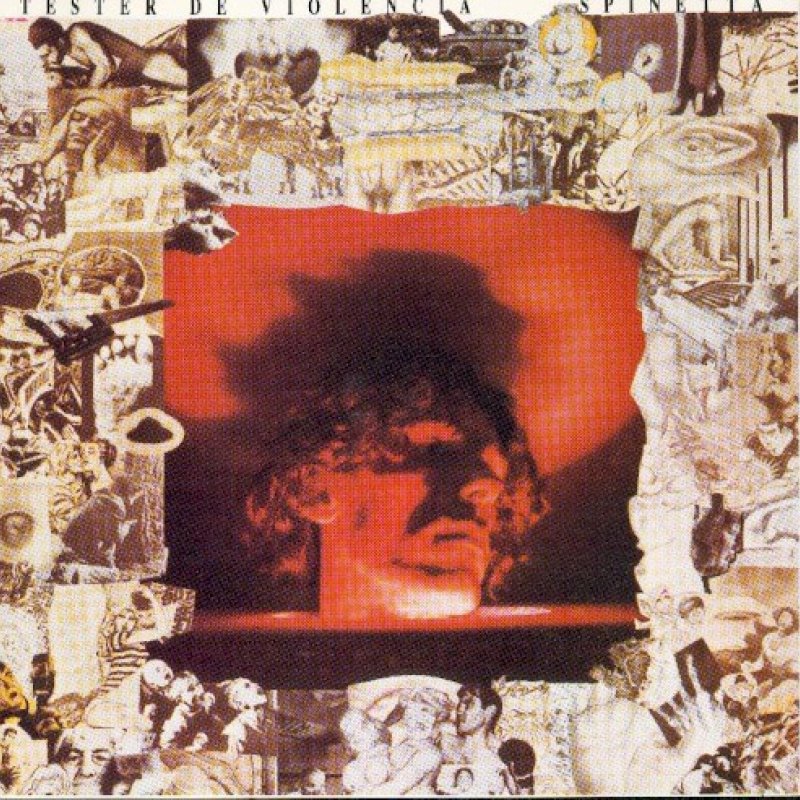
The album was born in a charged context. Spinetta had just worked with Fito Páez on La, la, la, a double project that took them across the country just as the pain from the disappearances during the dictatorship still burned. The murder of Fito’s "mothers" during the presentation concerts marked a turning point: while the Rosarino poured his grief into Ciudad de pobres corazones (1987), Spinetta did so in Téster de violencia, an album that does not speak of violence as an abstract concept, but as something that inhabits the everyday, the skin, the way bodies relate to one another. The wall, then, is not just a symbol: it is the place where words collide, where communication breaks down. The song lasts 3:23, but in that condensed time lies the essence of the album: violence as part of life, not as its opposite. And though Mono Fontana crafted the keyboard arrangements that give it that ethereal texture, it is Spinetta who holds the song together with his guitar and that voice that seems to come from elsewhere. The public noticed: in the annual poll of Suplemento Sí from Clarín, Téster de violencia was chosen the best album of the year. Not for its message, but because it managed to capture in sound what Argentina at the time could not put into words.
From album

Tester de violencia
Luis Alberto Spinetta · 1988 · Track 2
Details
Credits
Lyrics Luis Alberto Spinetta
Music Luis Alberto Spinetta