The story behind
Al ver verás, according to DoReSol
The lyrics of Al ver verás do not ask you to go to a place, but to a moment. Spinetta sings it as if time had stopped at a roadside diner on Route 2, one he frequented in the summer, where the sea smelled of salt and the umbrellas marked the territory of a morning without haste. "Ven a verme al ver verás" is not a geographical invitation, but a poetic trap: there, between verses that speak of wounds that fade and hours that do not pass, the body becomes a field of observation where everyday violence —the kind that hurts without us always knowing why— unravels in an eternal instant. The song floats in B major, but it doesn’t sound like resolution, but like suspension: as if the final chord never quite closes, leaving the listener suspended between what was and what could be.
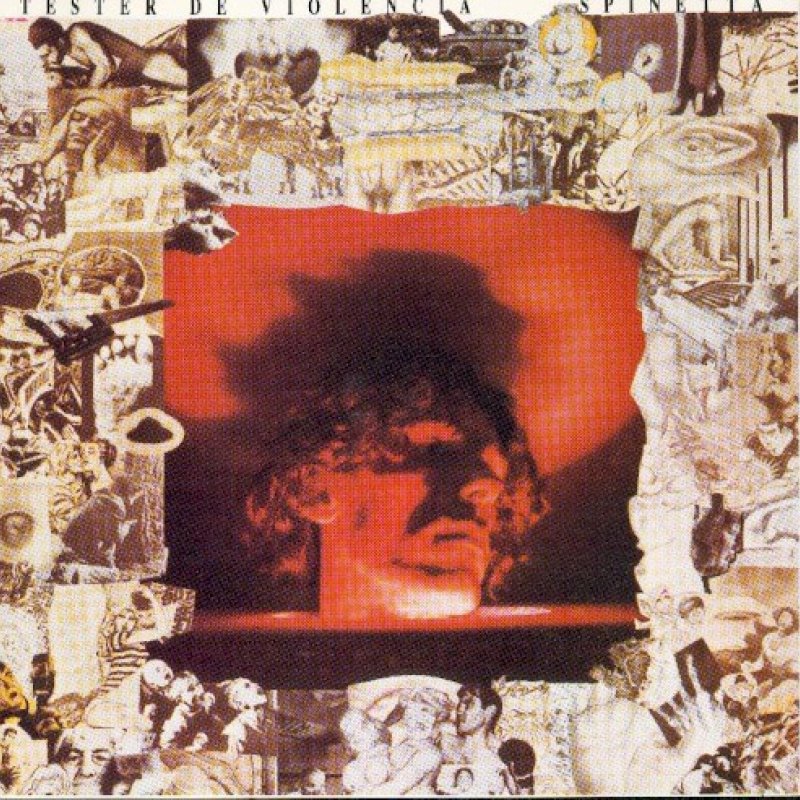
He recorded it in 1988 for Téster de violencia, an album Spinetta crafted as a map of bodies wounded by the world, where politics and personal pain intertwine without warning. The context was no small matter: Argentina had just emerged from the dictatorship, but the impunity laws were already staining the air of 1986 and 1987. Spinetta had just endured a public grief —the murder of Fito Páez’s mothers during the presentation of La, la, la— and that pain seeped into his songs. Al ver verás premiered in February 1987 at a free concert at the Velodrome in Buenos Aires, but its definitive version arrived a year later, when the album had already been resonating on the radios for months. El Mono Fontana, key on keyboards, gave it that air of waking dream that runs through the entire track. It lasted 3:19, but in that time, centuries of unanswered questions fit.
From album

Tester de violencia
Luis Alberto Spinetta · 1988 · Track 3
Details