


🇲🇽 MX · Mexico · Chapter 4 of 7
The Mexican Rock: The City as a Laboratory (1960–2000)
During almost two decades, rock music was technically illegal in Mexico. Not in the strict legal sense, but in the practical sense: after the Avándaro Concert of 1971 — the Mexican Woodstock that brought together over two hundred thousand people in the State of Mexico and ended with nudity, drugs, and a scandalized cover on all the country's newspapers — the PRI government effectively banned rock concerts, radio stations stopped programming it, and record labels stopped signing it.

The rock was banned from radio stations, concert performances and the launch of groups of this genre from 1971.
The Mexican rock survived in the "hoyos fonquis" — cellars, basements and neighborhood bars where bands played without permission to audiences of initiated people. It was in that clandestinity where El Tri — with Álex Lora at the front, ex-member of the Three Souls in My Mind — built up a career completely marginal to the system, playing for the working class of Mexico City with heavy blues rock and barrio Spanish lyrics that no one in the industry wanted to touch.
The Tri is the oldest Mexican rock band and the one with the most honest relationship with its audience: without star poses, without concessions to mainstream, with the same Álex Lora on stage decades later playing for the same audience that has followed him since the seventies.
The 1985 earthquake: when the city changed everything
On September 19, 1985, an 8.1 magnitude earthquake shook Mexico City and killed more than ten thousand people. It was the biggest disaster in the country's modern history, and it was also the moment when something changed in Mexican society: citizens organized their own response to the collapse of the government, and that self-organization produced a new awareness of what civil society could do without waiting for the state to give permission.
After the 1985 earthquake in Mexico City, the prohibition began to fade, but no rock group had had considerable success, so record companies still did not believe and signed Mexican groups, until 1988.
Rock was part of that cultural transformation: if society could organize without the PRI, rock could exist without the permission of record companies and radio stations.
La Negra Tomasa: the song that changed everything
In December of 1988, a band of young people from Mexico City called Caifanes released a single: a version of "La Negra Tomasa" — a Colombian cumbia from the 1950s — played with dark rock guitars, in the style of The Cure.
Within less than a year they managed to sell 600 thousand copies, an unheard-of feat for a rock band in Mexico. This caused the media and record companies to take notice of rock groups, realizing that a "market" could be created with this genre.
From there came the rise of bands like Neon, Fobia, Maldita Vecindad, La Castañeda, Amantes de Lola, Café Tacvba and many more, with which they could stand up to the invasion of Argentine bands.
The video clip of "La Negra Tomasa" was directed by Emmanuel "El Chivo" Lubezki — the same who decades later would win three consecutive Oscars for best cinematography. From the beginning, Mexican rock had a visual sophistication that its contemporaries did not suspect.
Caifanes: the dark rock of the megalopolis
At the end of the 80s, Caifanes appeared in the so-called "Rock En Tu Idioma" scene in Mexico, with their particular style that combined rock with cumbia, as in "La Negra Tomasa" or those dark reminiscences of The Cure.
CaifanesSaúl Hernández, Sabo Romo, Alejandro Marcovich and Alfonso André — were the band that opened the door. Their rock was dark, post-punk, influenced by The Cure and Siouxsie and the Banshees, but with a specifically chilanga sensitivity — the existential anguish of living in a megalopolis of twenty million people where the transportation system collapses every day and smog is the permanent meteorology.
"Afuera" — their most representative song along with "La Negra Tomasa" — is the cry of someone who wants to get out of a city that crushes him but that is also everything he knows. Mexico City as a character, as an antagonist, as an impossible home.
Caifanes split in 1995, at the height of their popularity. Saúl Hernández continued with Jaguares, a heavier and darker version of the same sonic universe.
Maldita Vecindad: the street as universe
Maldita Vecindad and Los Hijos del Quinto Patio is a band formed in Ciudad de México in 1985. They are pioneers of rock in Spanish and one of the most influential rock bands in Mexico. They combined strong elements of ska, rock and traditional Mexican music.
Maldita Vecindad took rock in a completely different direction than Caifanes: instead of the post-punk darkness they chose ska, cumbia, mambo and danzón — the rhythms of popular Ciudad de México, the ones that played in dance halls and markets — and mixed them with the electric energy of rock.
In parallel, groups emerged that fused rock with Latin rhythms, like Maldita Vecindad, who in their song "Pachuco" portrayed the discrimination towards young people from the neighborhood.
His frontman Roco wore pachuco — the style of Mexican Americans in the 1940s, zoot suit and wide-brimmed hat — as a statement of identity: Mexican popular culture as pride, not shame. Maldita Vecindad was the band that showed Mexican rock could be at the same time political, danceable and completely original.
Café Tacuba: the total synthesis
If Caifanes represented the darkness of the megalopolis and Maldita Vecindad represented its subversive joy, Café Tacuba — also called Café Tacvba — represented its total complexity.
Café Tacuba fused rock with Mexican traditions, showing that it was possible to be modern and popular at the same time.
Rubén Albarrán, Joselo Rangel, Emmanuel del Real and Enrique Rangel formed in Mexico City a band that from their first album (1992) showed that Mexican rock could absorb any influence — pre-Hispanic music, huapango, norteño, bolero, noise, ambient, concrete music, reggae — without losing coherence or identity.
Their album Re (1994) is considered the best in the history of Spanish rock by multiple specialized lists: a collection of songs that range from chaotic noise to delicate acoustic, from absurd humor to genuine pain, with a production by Gustavo Santaolalla that captured the energy of a live performance without killing the texture of the studio.
Songs like "Eres" and "Ingrata" have become anthems of an entire generation.
His performance on MTV Unplugged — with "Las Flores" as the central piece, a song in which Albarrán sang as a child, as an old woman, and as an adult male voice in the same verse — is one of the most extraordinary documents of Latin American rock in video.
Molotov and political rage
In 1997, when the PRI had been in power for almost seventy years, Molotov released "Gimme tha Power" — a song that demanded an end to the one-party system with energy and frankness that no Mexican band had ever had before. The album ¿Dónde Jugarán las Niñas? (1997) was censored by several radio stations for its explosive lyrics, sold a million copies and foreshadowed the end of the PRI regime three years later.
But it were groups like Molotov that brought back rock's rebellious edge.
Molotov was the most important political rock band in Mexico since the days when rock could not even be played on the radios. That was the magnitude of the change.
The Vive Latino: institutionalization of rock
The Vive Latino Festival — created in 1998 in Mexico City — was the signal that Mexican rock had arrived to stay. An annual festival that brought together the most important Mexican bands with international artists, in front of audiences of tens of thousands of people at the Foro Sol.
The most important rise of Spanish-language rock took place in the 1980s in Mexico with bands like Caifanes or Maná, and consolidation came for bands like Café Tacvba in the 1990s, all of this after a period of censorship and stigma against the genre in the country.
The Vive Latino became the most important rock festival in Latin America — and it still is more than twenty-five years later.
Editor's note: "La Negra Tomasa" is a Colombian cumbia from the 1950s that Caifanes played with dark rock guitars in 1988, and that sold 600,000 copies in less than a year, opening the rock market in Mexico for all the bands that came after. That the song which saved Mexican rock was a Colombian cumbia is not an irony: it is the demonstration that the most Mexican music often comes from unexpected places, that cultural identity is not purity but synthesis, and that the City of Mexico — that chaotic megalopolis where thirty indigenous languages coexist with English of business and the Spanish of the neighborhoods — produces music with the same logic with which it exists: mixing everything, discarding hierarchies, finding originality in the mixture.
10 · 7 en DoReSol
Top 10 of Mexican Rock
Re (album)
Café Tacuba · 1994
The best rock album in Spanish according to multiple lists. The total synthesis of Mexican music in rock.
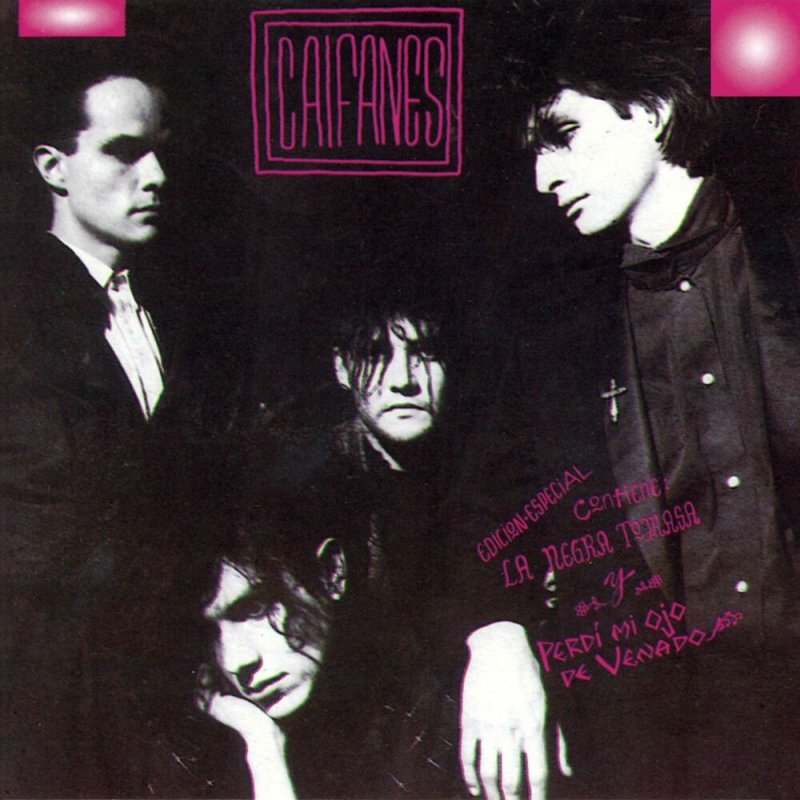
La negra Tomasa
Caifanes · 1988
The song that opened the rock market in Mexico. 600.000 copies. Before and after.
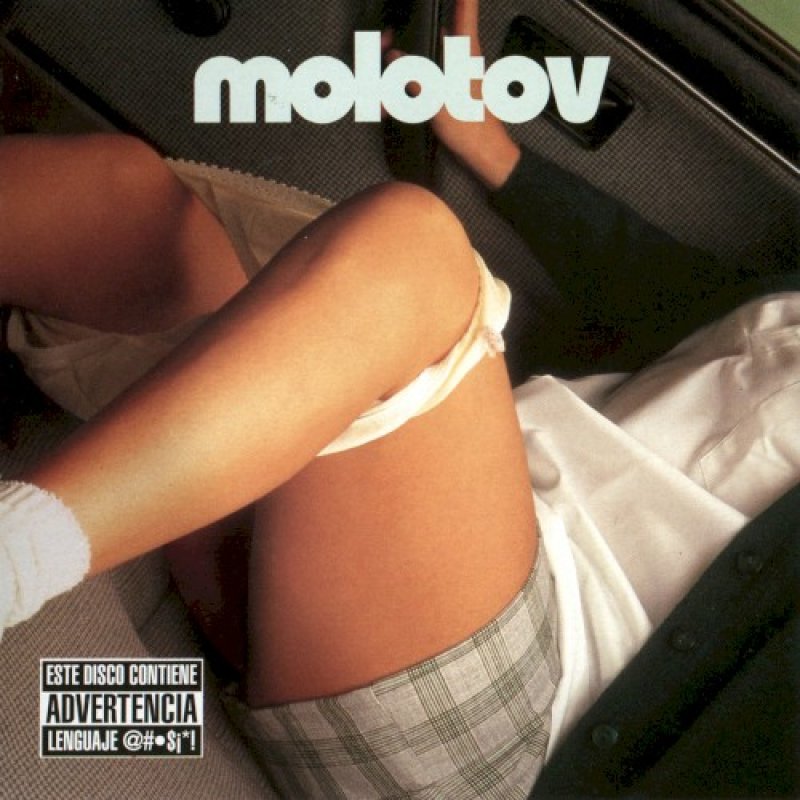
Gimme tha Power
Molotov · 1997
The most explosive political anthem of Mexican rock. The song that anticipated the end of the PRI.
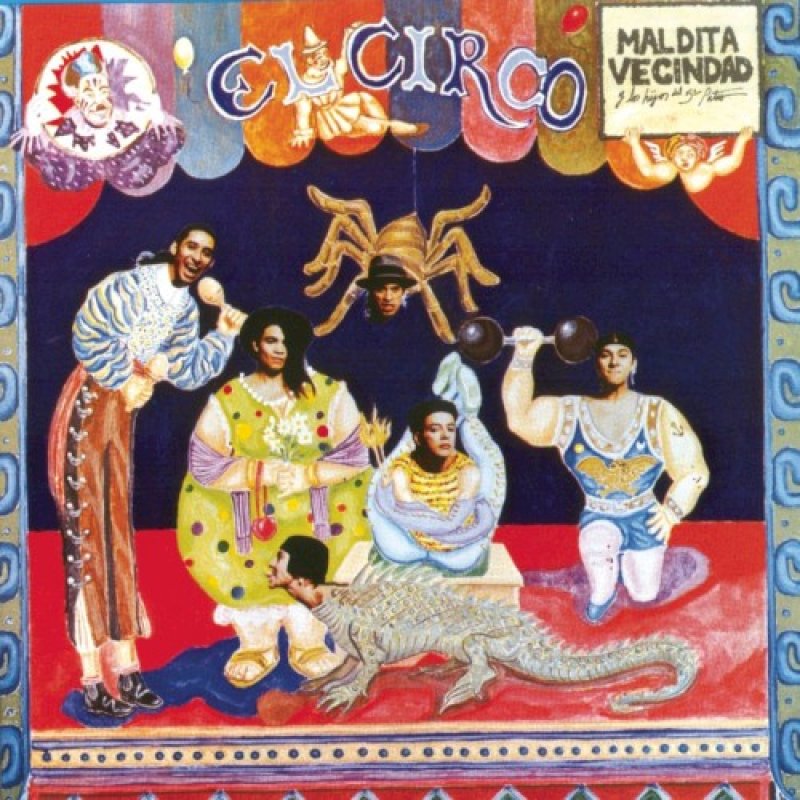
Pachuco
Maldita Vecindad y Los Hijos del Quinto Patio · 1991
The perfect form of ska-rock from Mexico City. Popular culture of the neighborhood as identity of resistance.
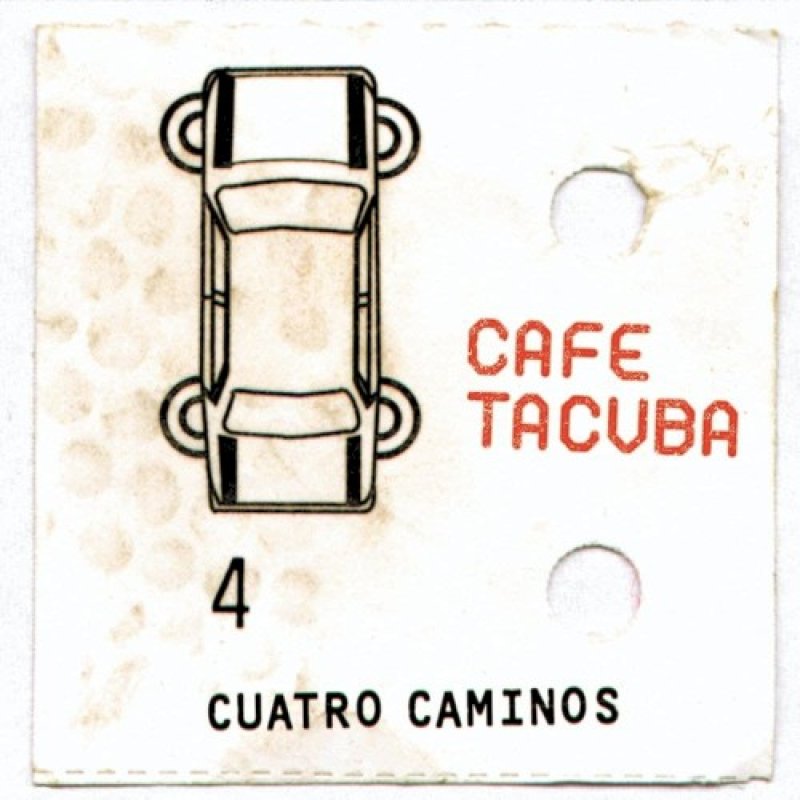
Eres
Café Tacvba · 2003
The most sung anthem of Mexican rock. The love song that an entire generation identified as their own.
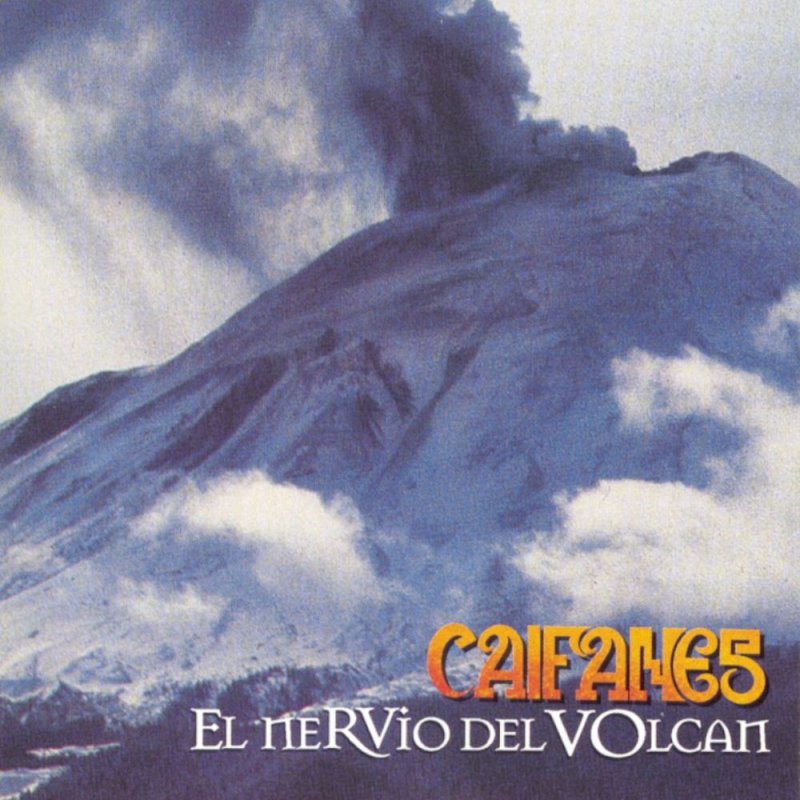
Afuera
Caifanes · 1994
Mexico City as antagonist. The darkest and most chilango post-punk rock.
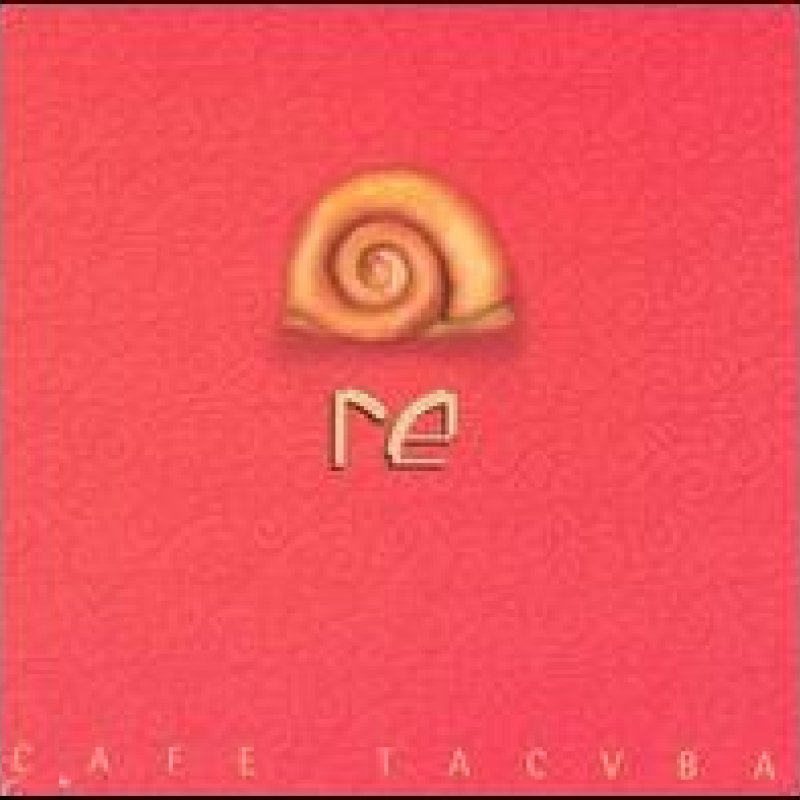
Las flores
Café Tacvba · 1994
Rubén Albarrán in the most extraordinary audiovisual document of Latin American rock in video.
Ingrata
Kchiporros · 1994
The rarest and most catchy song of Mexican rock. Norteño with saxophone. No one had done it before.
El Tri en Vivo
El Tri · 1985
Álex Lora documenting the "hoyos fonquis" clandestine scene. Mexican working class rock without compromises.
¿Dónde Jugarán las Niñas? (album)
Molotov · 1997
The most politically explosive album of Mexican rock. Censored on radio, one million copies sold.
1 canción · en DoReSol
Practice these songs in Doresol
The full series
Mexico
Mariachi, ranchera, bolero, corrido and chilango rock. A country that sings.
-
CAP 01
🇲🇽 Ch 01
The Roots: The Music of the Three Worlds (Pre-Hispanic–1800)
When the Spanish conquistadors arrived in the territory we today call Mexico in 1519, they found civilizations that had developed musical traditions of a complexity and richness th
-
CAP 02
🇲🇽 Ch 02
The Mariachi and the Ranchera Song: The Golden Age (1930–1970)
There was a moment in the 20th century when Mexico decided on its national sound. It wasn't a decision made by a government or an academy: it was the convergence of radio, cinema,
-
CAP 03
🇲🇽 Ch 03
The Bolero: The Musician Poet and the Heart of Latin America (1920–1980)
There is a moment in any Mexican neighborhood bar — not the trendy bar in the historic center but the humble bar with Formica tables and barrel beer — when someone asks for an Agus
-
CAP 04 you are here
🇲🇽 Ch 04
The Mexican Rock: The City as a Laboratory (1960–2000)
During almost two decades, rock music was technically illegal in Mexico. Not in the strict legal sense, but in the practical sense: after the Avándaro Concert of 1971 — the Mexican
-
CAP 05
🇲🇽 Ch 05
The Country and Western Music and the Ballad: The Border as Universe (1930–present)
There is a music in Mexico that the middle-class urban population often ignores or despises, which radio stations in Mexico City program with reluctance, and yet it is the one that
-
CAP 06
🇲🇽 Ch 06
<b>Juan Gabriel and Vicente Fernández:</b> The Two Giants
There is a story that summarizes the relationship between the two most important artists of the second half of the 20th century in Mexico. In 1971, Juan Gabriel and Vicente Fernánd
-
🇲🇽 Ch 07
The Mexican Pop of the 21st Century: Roots and the World (1990–present)
There is a paradox in Mexican music of the 21st century: the artists who have reached the furthest globally are those who have dug the deepest into their own tradition.
You might also like
3 articles picked by editorial similarity


