The story behind
Tomorrow Never Knows, according to DoReSol
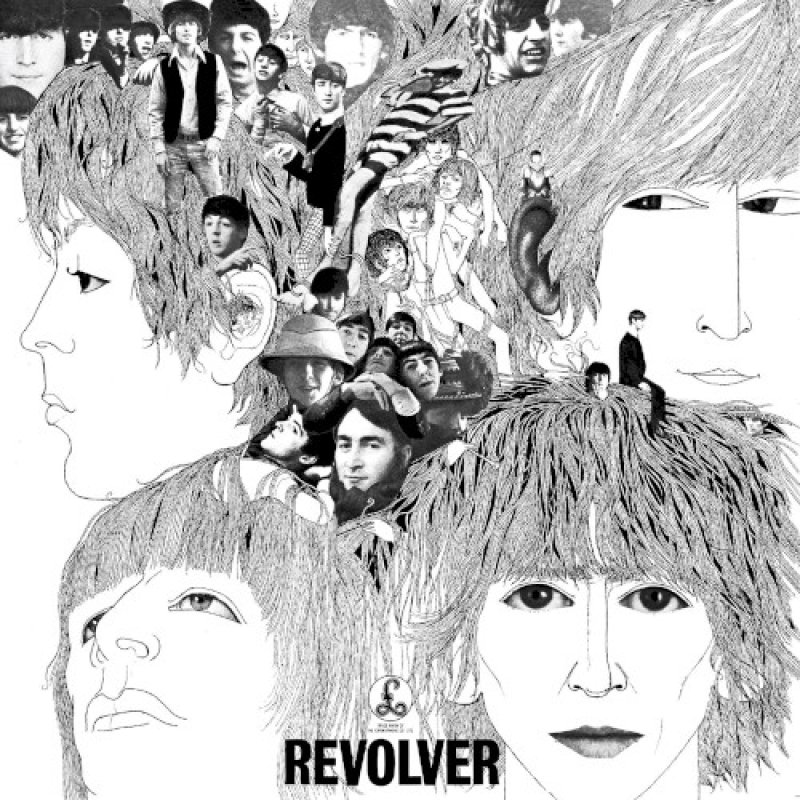
When you dive into *Tomorrow Never Knows*, you encounter a sound that departs from everything the Beatles had done before. It's a piece that was recorded in April 1966 at EMI Studios in London, but it became the last song we heard on the album Revolver, released in August of that same year. What's interesting is that, although it closes the record, it was the first to be registered for it. Here, the band decided to explore the possibilities of the recording studio without worrying about being able to replicate the result live. The sound is a mix of elements uncommon in pop music of the time: there are influences from musique concrète, avant-garde compositions, and electroacoustic sound manipulation. Imagine a base inspired by Indian music, with tambura and sitar drones, alongside a bass that barely moves from a single chord. Over this, drums with a constant but unconventional rhythmic pattern. To add more texture, they used tapes they had recorded themselves and layered them live over the rhythmic track. Furthermore, John Lennon's voice went through a Leslie speaker, something normally used for Hammond organs, giving it a vibrant effect. Guitars played backward and other effects marked the first time inverted sounds were used in a pop recording.
The inspiration for the lyrics of Tomorrow Never Knows came from John Lennon in January 1966. It was partly based on the 1964 book, The Psychedelic Experience: A Manual Based on the Tibetan Book of the Dead, by Timothy Leary, Richard Alpert, and Ralph Metzner. This book, in turn, took ideas from the Tibetan Book of the Dead. It is said that Lennon bought the book, read it under the influence of LSD, and followed the instructions to the letter. The central idea was that the "ego death," experienced with psychedelic drugs, resembles the process of dying and requires similar guidance, a state of full consciousness that Eastern mystics call samādhi. The song's producer was George Martin, and the recording engineer was Geoff Emerick. This song, with its pioneering use of techniques like sampling and tape manipulation, greatly influenced the genres of psychedelic rock and electronic music. It also introduced lyrical themes about mind expansion, anti-materialism, and Eastern spirituality into popular music.
From album

Revolver
The Beatles · 1966
Details
Credits
Music Paul McCartney, John Lennon