The story behind
Taxman, according to DoReSol
When the Beatles met in 1966, the UK's fiscal landscape was quite severe. The Labour government, led by Harold Wilson, had implemented a progressive tax so high that, according to a report by accounting firm Bryce, Hammer, Isherwood & Co., two of the group's members were on the verge of bankruptcy. This situation, where over 90% of earnings were paid to the Treasury, was the trigger for George Harrison to write "Taxman". It was not only a complaint about the tax burden but also an expression of discontent over the use of those funds in weapons manufacturing. The song, which became the band's first piece with a direct political message, also marked the consolidation of Harrison as a songwriter, alongside the Lennon-McCartney duo.
The recording of "Taxman", which took place in April 1966, coincided with Harold Wilson's electoral victory. The influence of 1960s soul and R&B music is present in the composition, portraying the tax collector as a relentless figure. In the lyrics, Harrison mentions Wilson and Edward Heath, leader of the Conservative Party. John Lennon's participation was key to polishing some phrases, and Paul McCartney contributed a guitar solo with Indian influences, described as "outstanding" and with a dazzling ending. This piece, in addition to its lyrical content, set a precedent in the development of psychedelic rock and mod-style pop, and has even been pointed to as a precursor to punk rock. The song proved its relevance when Harrison, in the 1990s, adapted the lyrics to refer to contemporary leaders, showing its ability to transcend its era.
From album

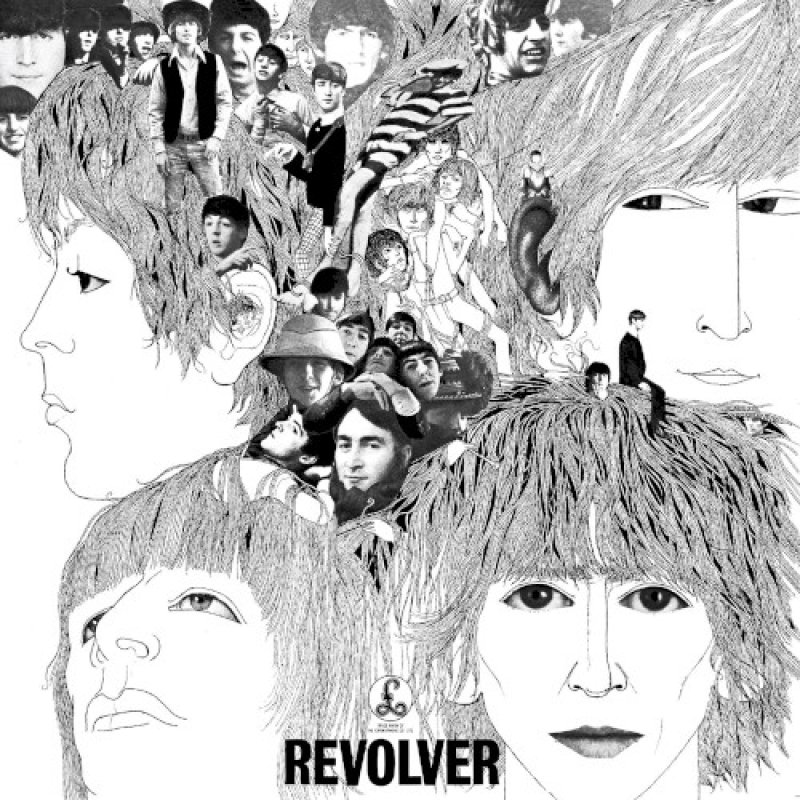
Revolver
The Beatles · 1966
Details
Credits
Lyrics George Harrison
Music George Harrison