The story behind
Got to Get You Into My Life, according to DoReSol
There are songs that, when played, invite you on an unexpected sonic journey. Got to Get You Into My Life is one of them. From the very first moment, it greets you with a fanfare of brass that pulls you out of the routine, an energy that is very reminiscent of the soul music being made in Memphis or at the Motown record labels. It's interesting to note how, to achieve this particular sound, the recording engineers used techniques such as placing microphones very close to the bells of the wind instruments and then passing the signal through a limiter. This was done on May 18, 1966, and it was the first time The Beatles incorporated a brass section into one of their recordings. The song, written primarily by Paul McCartney and credited to Lennon–McCartney, was recorded at Abbey Road Studios between April and June of that same year. Curiously, the first idea they had for the song was very different, including harmonium and acoustic guitar, and even an a cappella part.
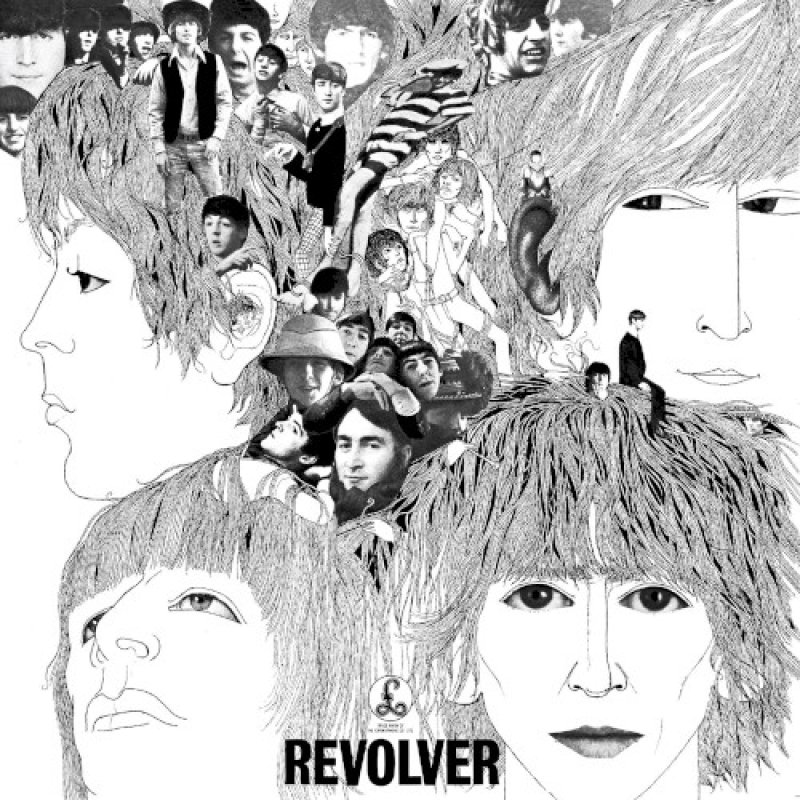
The story behind Got to Get You Into My Life has a twist. Although many thought it was a declaration of love to a person, Paul McCartney himself revealed that it was actually an ode to marijuana. The lyrics, such as "I took a ride, I didn't know what I would find there / Another road where maybe I could see some other kind of mind there", seem to confirm this interpretation. This revelation adds an extra layer to the listening and interpretation of the song. It was released on the album Revolver on August 5, 1966, placed just before the last tracks on the record. The version we hear today, with that powerful brass section, was what finally shaped the song, transforming it into something very different from the early demos. Recording engineer Geoff Emerick and producer George Martin played a crucial role in the evolution of this track, achieving a sound that moved away from expectations and opened new doors.
From album

Revolver
The Beatles · 1966
Details
Credits
Music Paul McCartney, John Lennon