The story behind
Tainted Love, according to DoReSol
The first time I heard Tainted Love in Soft Cell's version, I didn't understand why it sounded so different from everything else. It wasn't just the rhythm, but that mix of urgency and coldness in Marc Almond's voice, as if broken love was being sung from a place where emotions no longer mattered. The original track by Gloria Jones in 1964 sounded like classic soul, with clean guitars and choirs rising like a hymn, but when Mike Thorne recorded it with Soft Cell in 1981, the sound turned rough and mechanical, like a broken clock. The most curious part is that the version we all know was made in less than two days: Almond sang a single take, and it was recorded as-is, without retakes. Even the producer was surprised, because in his first audition of Jones' song, he hadn't liked it, but seeing how they transformed it, he understood there was something new there.
The song already had a history before it reached them. Ed Cobb, its composer, wrote it in the 60s for The Four Preps, but it ended up in Gloria Jones' hands as the B-side of a single no one listened to. Decades later, in the 70s, the song resurfaced in the British *Northern soul* scene, where DJs played it at frenetic speed between worn-out vinyl mixes. Soft Cell discovered it there, but instead of copying Jones' or Ruth Swann's (who had covered it in 1975) euphoric style, they gave it a dark twist: David Ball's synthesizer sounded like a sick heartbeat, and the lyrics, which speak of love rotting away, made sense amid the *new wave* era, when electronic pop began to sound like a warning. When they released it, the record label warned them it would be their last album if it didn't sell, but in July 1981, the song exploded in the UK and then in 17 more countries. In the United States, it took time to take off, but once it entered the Billboard Hot 100, it stayed for 43 weeks—a record at the time. Even today, when you hear it in an 80s hits playlist, it still feels like a song that doesn't sound like nostalgia, but like something that was always there, lurking.
From album

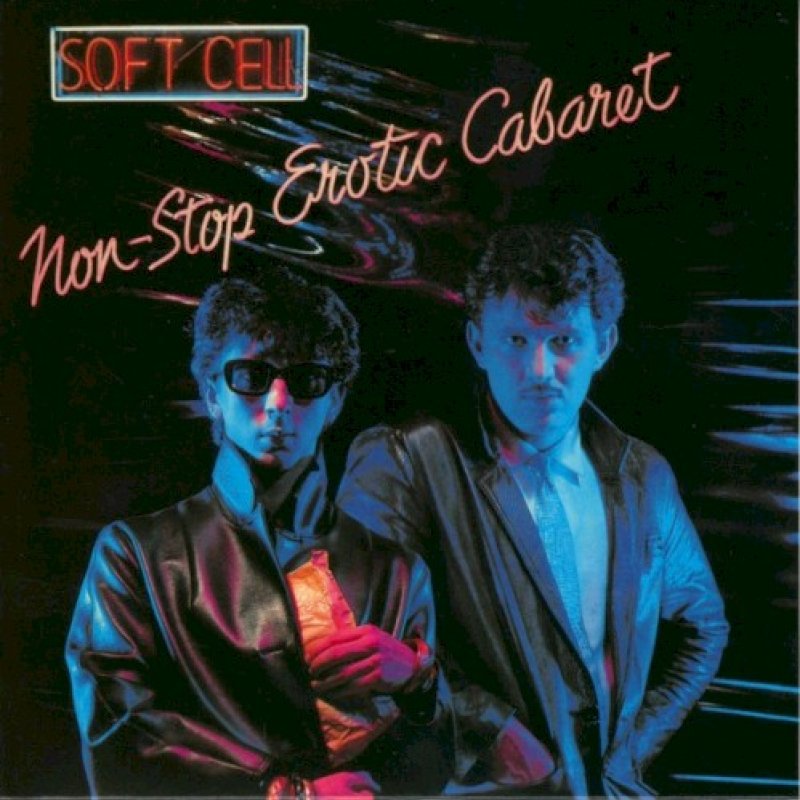
Non‐Stop Erotic Cabaret
Soft Cell
Details
Credits
Lyrics Ed Cobb
Music Ed Cobb