The story behind
Roots Bloody Roots, according to DoReSol
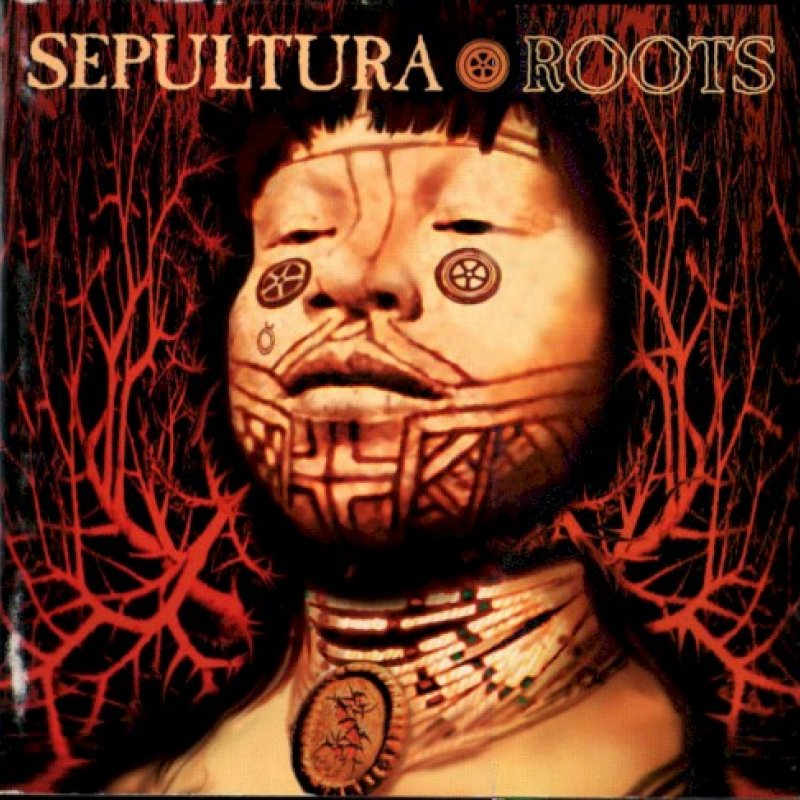
When Roots Bloody Roots burst onto the scene in 1996, it wasn’t just a punch to the speakers—it was as if someone had plugged an amplifier directly into the very ground Brazilians stood on. The main riff doesn’t sound like conventional metal; it throbs with a tribal cadence that sinks into the chest, like an ancestral call. It’s no coincidence that the video—filmed among the catacombs of Salvador, where human trafficking once thrived—shows the band surrounded by Timbalada percussionists and capoeiristas: the song isn’t just played, it’s felt in the body, like a ritual. Even the single’s cover, with its red disc and thorny logo, seems hand-carved in some lost workshop in Belo Horizonte.
The recording at Indigo Ranch in California, between October and December 1995, was a controlled experiment: producer Ross Robinson aimed to capture the raw essence of the Roots album, ending up with a sound that smelled of mud, sweat, and burnt wood. The mixing credits include Andy Wallace, but it was engineer Chuck Johnson who truly shaped the groove, letting each of Igor Cavalera’s drum hits breathe without over-cleaning them. The result is a song that doesn’t ask for permission to enter: it lasts 3 minutes and 32 seconds, yet in that time, centuries of Brazilian history fit—from Candomblé to the Catholic churches that appear in the video. Even the Kerrang award for "Video of the Year" in 1996 feels like a minor detail next to something that, decades later, remains the soundtrack of concerts that end in ecstasy.
From album

Roots
Sepultura · 1996 · Track 1
Details
Credits
Lyrics Max Cavalera
Music Sepultura