The story behind
Portatemi Dio, according to DoReSol
In the universe of Vasco Rossi, there are songs that resonate in a particular way, and Portatemi Dio is one of them. Although not explicitly mentioned in the provided information, its title evokes a deep search, a need for transcendence that often manifests in music. The song's duration, 3 minutes and 23 seconds, gives us an idea of the conciseness with which this expression is presented, inviting attentive listening.
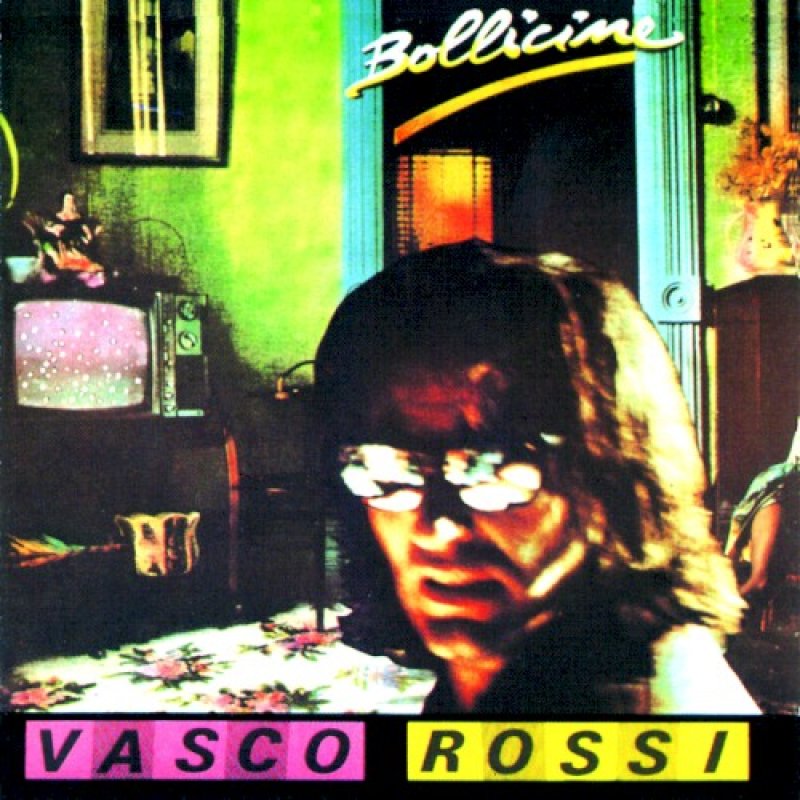
This track is part of the album Bollicine, released on April 14, 1983. This record, which also had a special "Picture" edition that same year, is considered one of the most valued works by both the public and critics within Vasco Rossi's career. In fact, in 2012, Rolling Stone Italia magazine ranked it first on its list of the 100 best Italian albums. Within Bollicine is Vita spericolata, a piece that was presented at the Sanremo Festival and quickly became an anthem for a generation. The story behind Vita spericolata is interesting: the music was the idea of Tullio Ferro, who also sketched the lyrics in English. The idea arose in the summer of 1982, thinking about a concert in Cagliari that was unfortunately canceled due to bad weather. It was in that context, while Vasco was in his caravan, that inspiration began to flow.
Vasco Rossi was born on February 7, 1952, in Zocca, a quiet place in the Appennino, located between Modena and Bologna. His father, Giovanni Carlo, a truck driver, named him in honor of a prison mate he met in Germania. His mother, Novella, dedicated herself to the home while his father traveled throughout Italia. From a young age, Vasco proved to be an unconventional person, someone who did not easily adapt to norms. In 1972, amidst student effervescence, he became interested in experimental theater. However, feeling the need to continue his education, he enrolled in the Pedagogia program at the University of Bologna. He soon realized the significant difference between that discipline and his true passion for music, a difference that affected his well-being. As early as December 1965, he had won the Usignolo d'oro contest with the song Come nelle fiabe. He then decided to follow his instinct and immersed himself in the world of "radio libere" (free radio), an experience that would mark his artistic path. In 1975, together with friends, he founded one of these stations, which defined him from the outset as a key figure in that field.
From album

Bollicine
Vasco Rossi · 1983 · Track 3
Details