The story behind
Una canzone per te, according to DoReSol
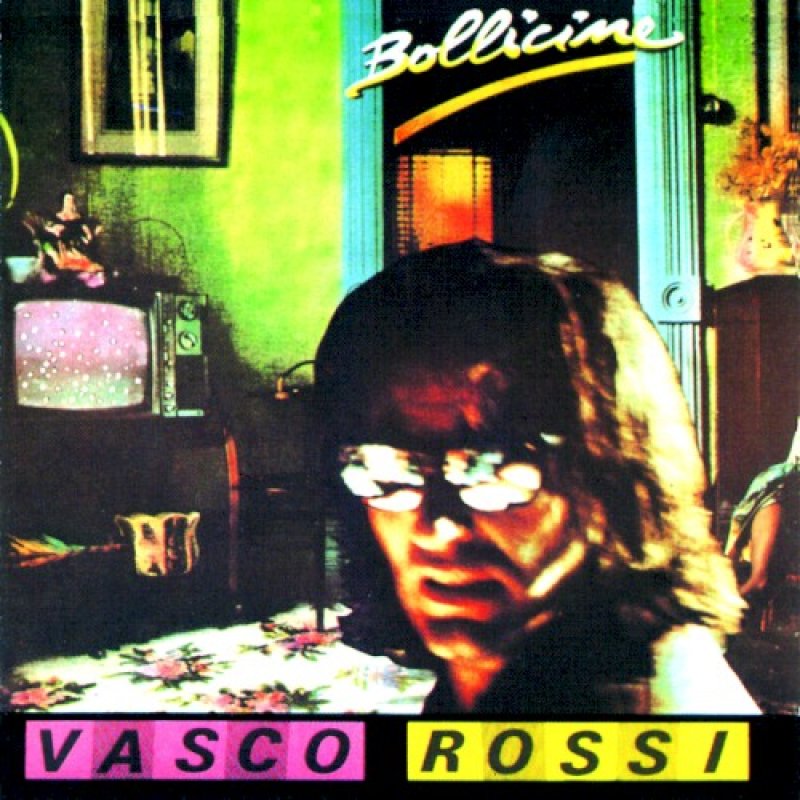
In Una canzone per te, Vasco Rossi delivers a track that, though brief, encapsulates a particular atmosphere. Its duration of 3 minutes and 13 seconds is enough to immerse us in the song's essence, which presents itself with a direct melodic and lyrical structure. It is not a composition complex in its architecture, but rather a piece that seeks to connect immediately with the listener, inviting an emotional journey without much preamble. The simplicity of its approach is precisely one of its strengths, allowing the emotiveness of the performance to shine on its own. This track is part of the album Bollicine, released on April 14, 1983.
This record, which also had a special "Picture" edition that same year, is one of the most valued works by both the public and critics within Vasco Rossi's career. In fact, in 2012, Rolling Stone Italia magazine ranked it first on its list of the 100 best Italian albums. Within Bollicine, you will also find Vita spericolata, a song that was presented at the Sanremo Festival and quickly became an anthem for an entire generation. The genesis of Vita spericolata is curious: the music was conceived by Tullio Ferro, who also wrote a first version of the lyrics in English. This idea arose in the summer of 1982, in anticipation of a concert in Cagliari that, ultimately, had to be canceled due to bad weather.
It was in that context, while Vasco was staying in his motorhome, that the song began to take shape. Vasco Rossi, born on February 7, 1952, in Zocca, a town located in the Apennines between Modena and Bologna, has always been characterized by his rebellious spirit and his desire for creative expression. His father, Giovanni Carlo, a truck driver, named him in honor of a fellow prisoner in Germany. His mother, Novella, dedicated herself to the home while his father traveled throughout Italy. From a young age, Vasco showed an inclination for the unconventional, exploring experimental theater in 1972. Despite enrolling in Pedagogy at the University of Bologna, he soon felt that his true calling was in music, a path he had already glimpsed in 1965 by winning the "Usignolo d'oro" contest with Come nelle fiabe.
This difference between his studies and his passion led him to leave university and immerse himself in the world of "free radio," an experience that would mark his career. In 1975, he co-founded a free radio station, consolidating his presence in the music scene.
From album

Bollicine
Vasco Rossi · 1983 · Track 2
Details