The story behind
Meu erro, according to DoReSol
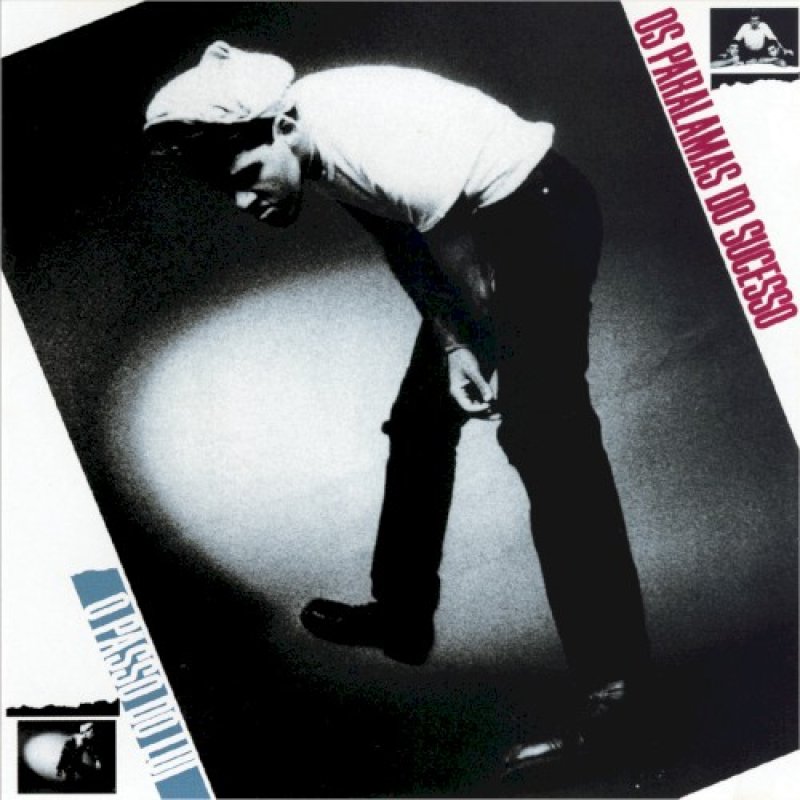
If there is one song that Os Paralamas do Sucesso recorded in 1984 and that still resonates more than forty years later, it is Meu erro. It wasn't their first single, but it ended up becoming a song that many Brazilians learned to hum without realizing it. What's curious is that, beyond its catchy rhythm and that mix of ska and rock that characterized them, the song holds a story that goes beyond music: it was recorded in the midst of a difficult personal moment for Herbert Vianna, the band's guitarist and vocalist. While working on the album O Passo do Lui at the EMI Odeon studios in Rio de Janeiro, he was going through the separation from Paula Toller, vocalist of Roupa Nova. That said, it wasn't just an intimate release: some also see in its lyrics a reflection of the collective disillusionment that Brazil was experiencing at the end of the Ditadura Militar, when people were seeking answers that never came.
The song began as just another track on the album, but it ended up standing out among the six singles they released from O Passo do Lui. It wasn't the most promoted at first—that spot went to Óculos—but over time it became a classic for the young audience of the eighties. They recorded it in 1984 with a production that already showed the band's changing sound: Bi Ribeiro's bass and João Barone's drums took center stage, moving away from the rawer style of their first album, Cinema Mudo. By 1985, when they performed at Rock in Rio, the crowd was already singing it at the shows. And decades later, versions like Zizi Possi's in 1999—who took it to a Latin Grammy nomination in the category of Best Female Pop Vocal Performance—or Maneva's 2023 reggae reinterpretation for her album Tudo Vira Reggae proved that Meu erro remains a song that reinvents itself. In 2025, it even appeared among the ten most-streamed songs on Deezer in a live version, confirming that its "error" was actually a success no one forgot.
From album

O passo do Lui
Os Paralamas do Sucesso · 1984 · Track 2
Details
Credits
Music Herbert Vianna