Chords in progress
We have not analyzed this song audio yet. Once it is ready, you will see the chord player synced with the video.
The story behind
It Takes a Lot to Laugh, It Takes a Train to Cry, according to DoReSol
There are songs that, when played, invite you to feel a quiet resignation, almost as if the world stopped for an instant. *It Takes a Lot to Laugh, It Takes a Train to Cry* is one of those. It doesn't have the urgency of other songs from the era, but rather a feeling of being a little tired of the world, without losing one's calm. The lyrics, which mix verses from old blues songs with Bob Dylan's own ideas, suggest a certain frustration, even with hints of mischief, which he would revisit in other compositions later on.
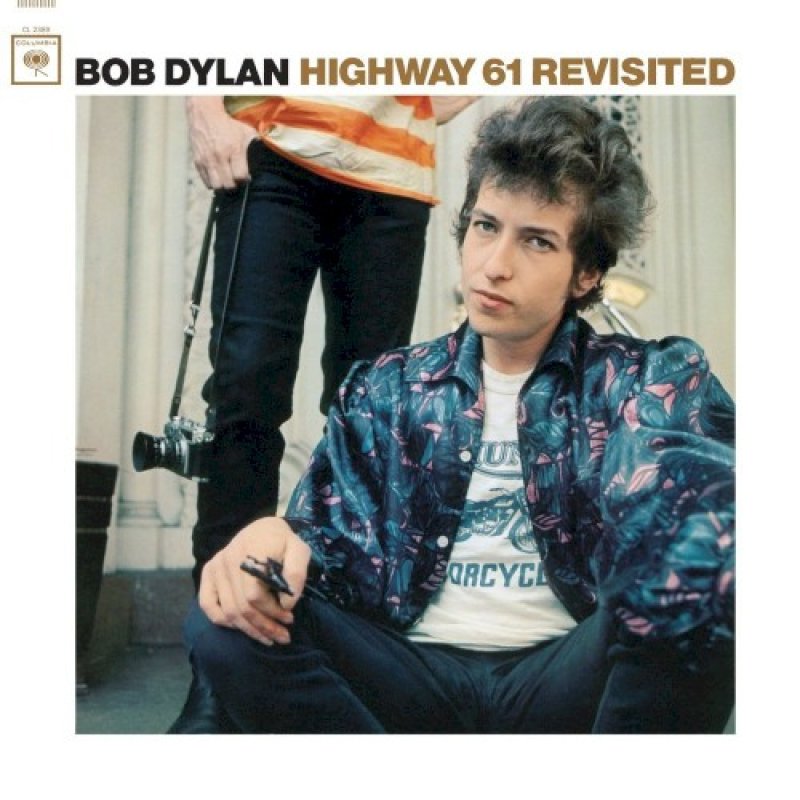
This piece was recorded on July 29, 1965, at Columbia studios in New York, the same day other songs like *Positively 4th Street* and *Tombstone Blues* were recorded. The rhythmic foundation is set by drums with a relaxed pulse and a gliding rhythm, courtesy of Bobby Gregg. To this is added a barrelhouse-style piano, a bass with character played by Harvey Brooks, the electric guitar of Mike Bloomfield, and a rather peculiar-sounding harmonica. The result is a blues with electric tinges, one of three forays into this genre on the album *Highway 61 Revisited*, along with *From a Buick 6* and *Just Like Tom Thumb's Blues*.
Curiously, there is an earlier version of this song, which even had another title: *Phantom Engineer*. That take, recorded on June 15, 1965, just as work on *Like a Rolling Stone* was beginning, has a faster tempo and some different lyrics. Different takes from that session can be heard on compilations like *The Bootleg Series Volumes 1–3 (Rare & Unreleased) 1961–1991*. The version that ultimately made it onto *Highway 61 Revisited*, released on August 30, 1965, is the one that became established, and it was produced by Bob Johnston.
From album

Highway 61 Revisited
Bob Dylan · 1965
Details
Credits
Lyrics Bob Dylan
Music Bob Dylan