Chords in progress
We have not analyzed this song audio yet. Once it is ready, you will see the chord player synced with the video.
The story behind
Desolation Row, according to DoReSol
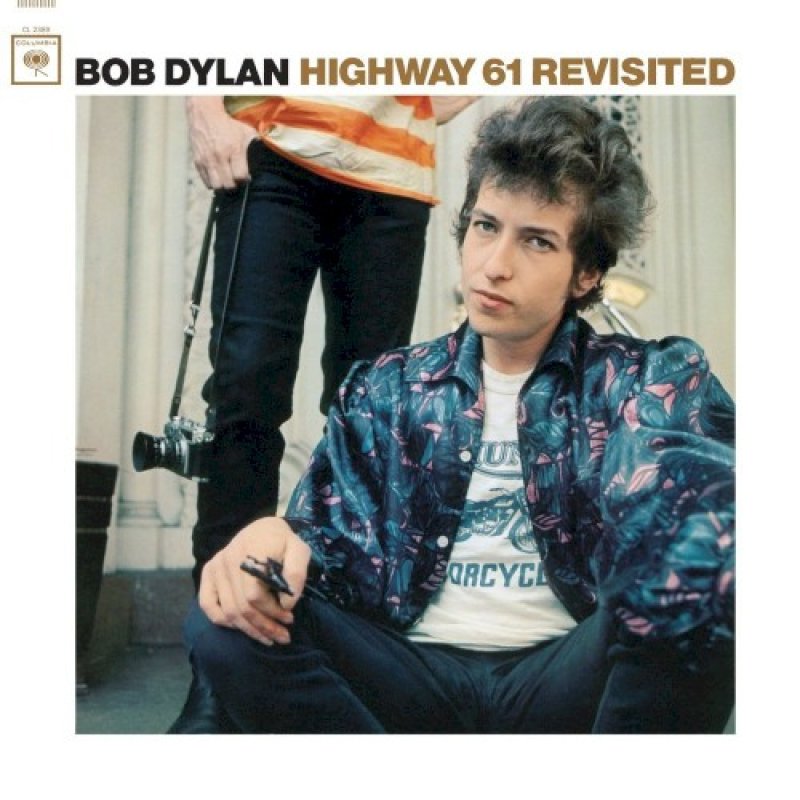
At eleven minutes and twenty-one seconds, Desolation Row presents itself as a sonic journey that deviates from the conventional. The piece, which closes the album Highway 61 Revisited, weaves a tapestry of surreal imagery and characters that evoke a sense of disintegration and urban chaos. The version we hear on the record is acoustic, but the song's genesis had a more electric character. The first takes, recorded on July 29, 1965, featured Harvey Brooks on bass and Al Kooper on electric guitar. These initial recordings would see the light of day much later, in 2005, as part of The Bootleg Series Vol. 7: No Direction Home: The Soundtrack.
The definitive version of Desolation Row was conceived in an overdubbing session on August 4, 1965, at Columbia's Studio A in New York City. On this occasion, producer Bob Johnston invited guitarist Charlie McCoy, passing through the city, to add an improvised acoustic guitar part. McCoy's contribution is said to have been key to giving depth to the piece, complementing the expansive lyrics and hypnotic melody of Bob Dylan. The inspiration for the song's title and atmosphere seems to come from works such as Jack Kerouac's Desolation Angels and John Steinbeck's Cannery Row. Dylan himself, in a 1965 press conference, suggested that Desolation Row could be a place in Mexico, near the border, known for its Coca-Cola factory. On the other hand, Al Kooper placed it in an area of Manhattan's Eighth Avenue, described as an area marked by brothels and dive bars. Poet Allen Ginsberg was also mentioned by Dylan as an influence during the period when this song was composed, describing it as part of a period of "city songs" and "city poetry."
The imagery of Desolation Row has led to comparisons with the "western" and to interpretations pointing to a critique of "simplistic political compromise," especially due to the mention of the Titanic passengers shouting "Which side are you on?". Dylan also described it as a "minstrel song" inspired by the minstrel shows he witnessed in his childhood. The initial lyrics, which speak of "selling postcards of the hanging" and "the circus is in town," have been linked by critics and by Dylan himself to the history of the lynching of three Black men in Duluth in 1920, an event that occurred near where the artist grew up and which his father passed on to him. The song has also been interpreted as a reflection of the cultural climate of the mid-sixties in the United States, a territory sometimes described as "terrifying."
From album

Highway 61 Revisited
Bob Dylan · 1965
Details
Credits
Lyrics Bob Dylan
Music Bob Dylan