Chords in progress
We have not analyzed this song audio yet. Once it is ready, you will see the chord player synced with the video.
The story behind
El mono tremendo, according to DoReSol
"El mono tremendo" doesn’t sound like any other Argentine rock track from 1988. There’s something slippery about it: it’s not just the lyrics, the rhythm, or even the voice of Luis Alberto Spinetta singing about a railway worker who turns furious. It’s the mix of all that with a detail that makes it unique: the song is sung, in chorus and almost shouting, by Spinetta’s children and those of his friend Dylan Martí. Dante Spinetta, Lucas Martí, Emmanuel “Popik” Martí (later Emmanuel Horvilleur), Guadalupe Martí and Catarina Spinetta shaped a chorus that sounds like controlled overflow, as if the anger described in the lyrics had spread to those who recorded it. Spinetta, who had already worked with Fito Páez on a double album, decided to include these kids under the name Pechugo, an ironic nod to the band Menudo, which was sweeping across Latin America at the time. The result was a track that, at just two and a half minutes, achieved what few do: being voted the best of the year by the S! supplement poll in Clarín.
The song was born in a context where violence wasn’t just a lyrical theme—it was something you could feel on the streets of Argentina. In 1986, Congress had passed the first of the impunity laws, and the following year saw the carapintadas uprisings. Spinetta, fresh from an artistic feud with Fito Páez and the loss of close friends, poured that tension into Téster de violencia, his 1988 album. But "El mono tremendo" stood out even within that concept album: it doesn’t speak of political violence or dictatorships, but of everyday rage—the kind of a mistreated worker who, like Hulk, transforms into something uncontrollable. Juan Carlos “Mono” Fontana arranged the keyboard parts that give it that dark yet danceable feel, and the band that recorded the track—with Machi Rufino on bass and Jota Morelli on drums—achieved a sound that, while not heavy, carries an urgency not found in other tracks on the album. Spinetta placed it as the first song on the second side of the vinyl, as if he wanted the listener to feel the impact from the very first minute.
From album

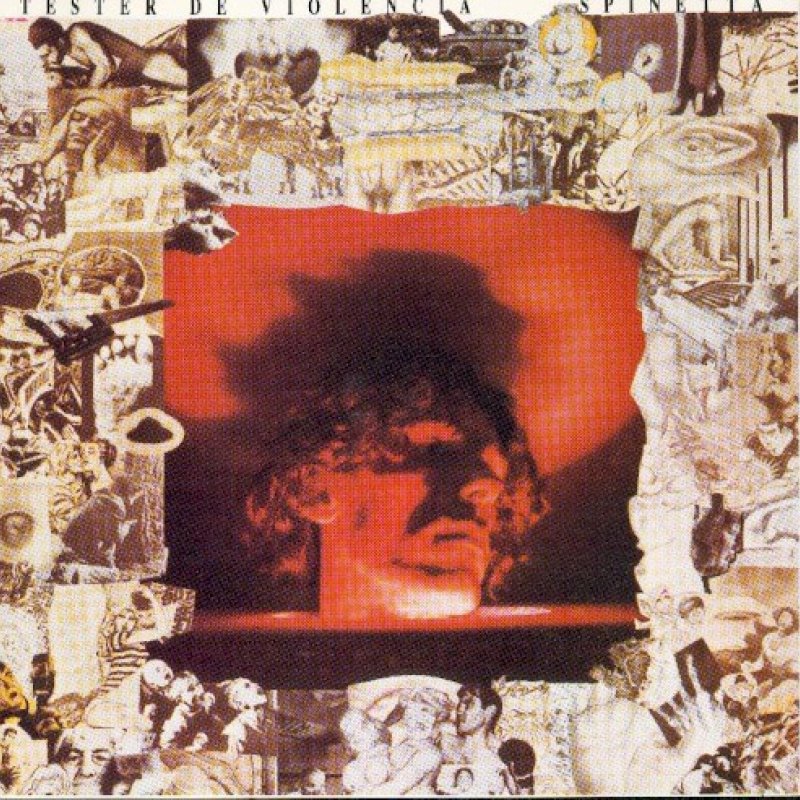
Tester de violencia
Luis Alberto Spinetta · 1988 · Track 6
Details
Credits
Lyrics Luis Alberto Spinetta
Music Luis Alberto Spinetta