The story behind
Ave Gengis Khan, according to DoReSol
Gengis Khan by Os Mutantes is that moment when Brazilian psychedelic rock dismantles and reassembles itself right before your eyes. The song doesn’t progress in straight measures: it coils through unexpected turns, as if time itself had turned liquid. The bass traces lines that never close, the drums mark a pulse that stretches and shrinks, and the voice floats above it all with a naturalness that deceives — because behind it lie hours of rehearsal making the chaotic sound organic. It’s not a track you can memorize: it demands attention to every detail, from the whistle that peeks between verses to the moment the guitar shatters into a chord that seems plucked from a dream.The song was recorded in 1968 in a studio that wasn’t São Paulo’s most equipped, yet it gave them the freedom to experiment.
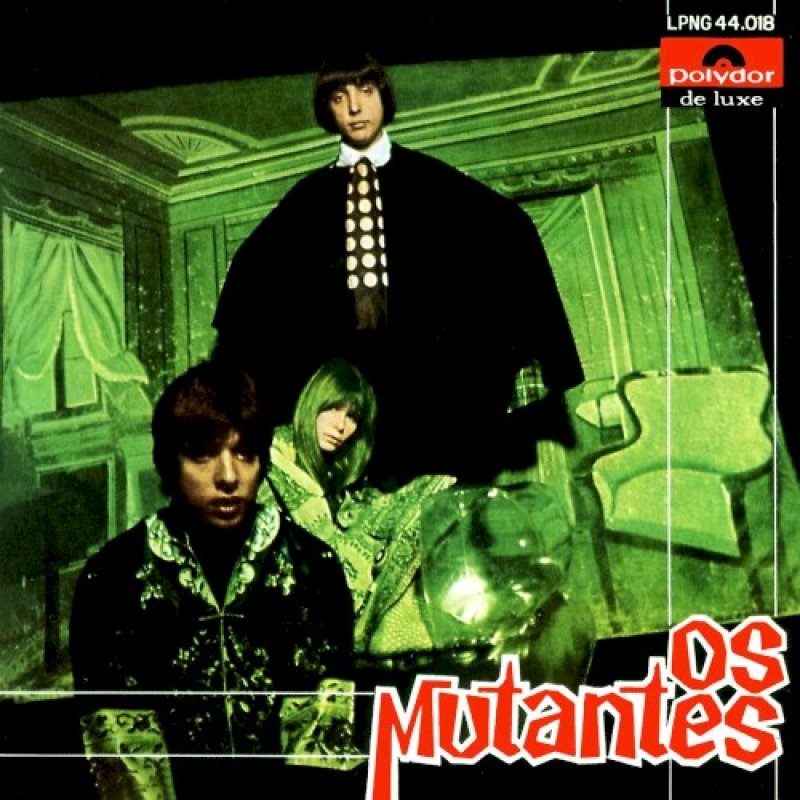
The album Os Mutantes was released that same year on an LP now prized as a document of its time: it blended samba, rock, and avant-garde noise, something that at the moment sounded like heresy to purists. The track emerged amid that turmoil, clocking in at exactly 3:47, as if the clock had stopped to let only what was necessary pass through. Later, in 1992 and 2006, it would be reissued on CD, first by Polydor Records and then by Universal Records, but the original spell remained intact: it was still that cut that fit no category and, precisely for that reason, ended up defining one.
From album

Os Mutantes
Os Mutantes · 1968 · Track 11
Details