The story behind
Voracidad, according to DoReSol
The song Voracidad, with its 3:03 duration, emerges from a particular moment in the trajectory of La Unión. Although the original text does not detail specific sonic aspects that make it unique, we can infer that its strength lies in the musical proposal that the band was exploring at the time. The recording credits give us an interesting clue: Nacho Cano, a key figure in the music scene of the era, was responsible for both the arrangements and the production, working alongside Rafael Abitbol. This collaboration suggests a careful approach to the sonic conception, aiming to shape the band's musical ideas.
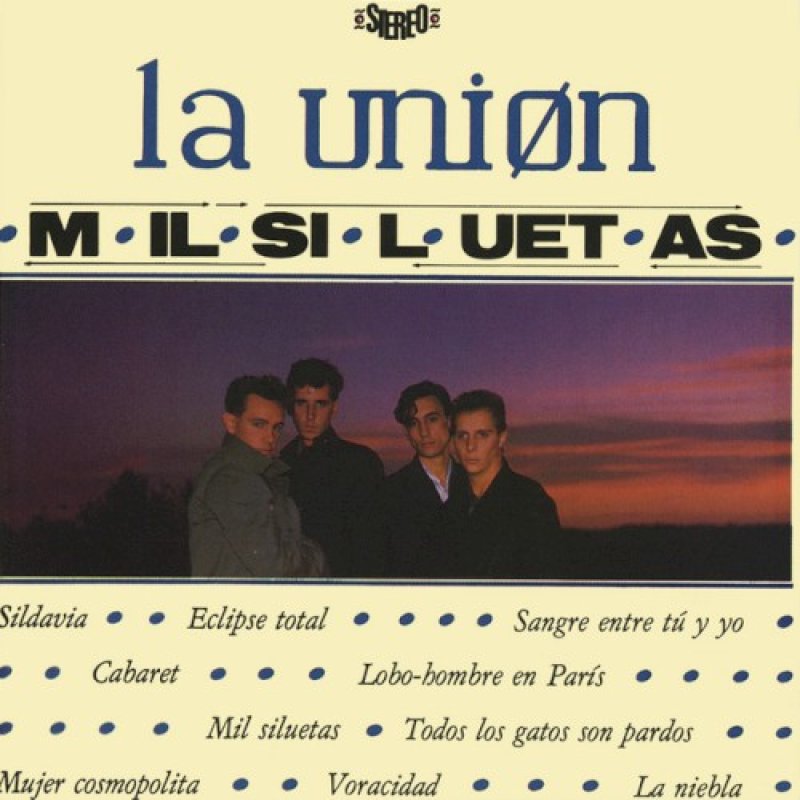
La Unión was formed in Madrid in the early eighties, with Rafa Sánchez on vocals, Luis Bolín on bass, Mario Martínez on guitar, and Iñigo Zabala on keyboards. The group had the initial support of Nacho Cano and Rafael Abitbol. After the resounding success of Lobo hombre en París in 1984, which kept them at the top of the charts for three months, they released their first album, Mil siluetas, also produced by Nacho Cano. Subsequently, they released El maldito viento and the compilation 4x4 in 1986. In 1988, with the departure of Iñigo Zabala, the band took on the production of their own records, releasing Vivir al este del edén and embarking on a tour of South America. In the early nineties, the album Tentación arrived, which included well-known tracks like Berlín and Ella es un volcán. In 1992, they released an extensive compilation titled Tren de largo recorrido, which included a concert recorded in La Coruña. The year 1993 marked a change of direction with Psychofunkster Au Lait, an album where they experimented with psychedelic sounds in tracks like Africa and Hermana tierra.
From album

Mil siluetas
La Unión · 1984 · Track 9
Details
Credits
Music Luis Bolín, Mario Martínez, Rafa Sánchez, Íñigo Zabala