The story behind
The Long and Winding Road, according to DoReSol
When you sit down to play The Long and Winding Road, you encounter a piece that, beyond its melancholic melody, holds a story of tension and creative decisions. The original idea from Paul McCartney emerged in 1968, while he was on his farm in Scotland. The image of a road stretching towards the hills, surrounded by lakes and mountains, inspired the song's title and atmosphere. At that time, he felt the growing discord among the members of The Beatles, and the lyrics seem to reflect that personal anguish and a nostalgic look at the band's history. McCartney envisioned this piano ballad with an arrangement similar to that of Ray Charles, seeking a sound that evoked that warmth.
The recording of the song went through several stages and producers. The first take, dating from January 1969, featured sparser instrumentation: piano, bass, guitar, and percussion. John Lennon, who didn't usually play bass, participated in this session, although it's mentioned he made some mistakes. Later, in April 1970, producer Phil Spector added layers of orchestral and choral arrangements. This decision, however, generated controversy. McCartney, and other members of the band, were not satisfied with Spector's production, even citing the treatment of this song as one of the reasons for the legal dissolution of The Beatles. Despite initial criticism of Spector's arrangements, The Long and Winding Road reached the top spot on the Billboard Hot 100 in June 1970, becoming the band's last number one on that chart. The original version without Spector's overdubs was later known on Anthology 3, and another take from January 1969 appears on Let It Be... Naked (2003), an album that arose partly from McCartney's dissatisfaction with the final version.
From album

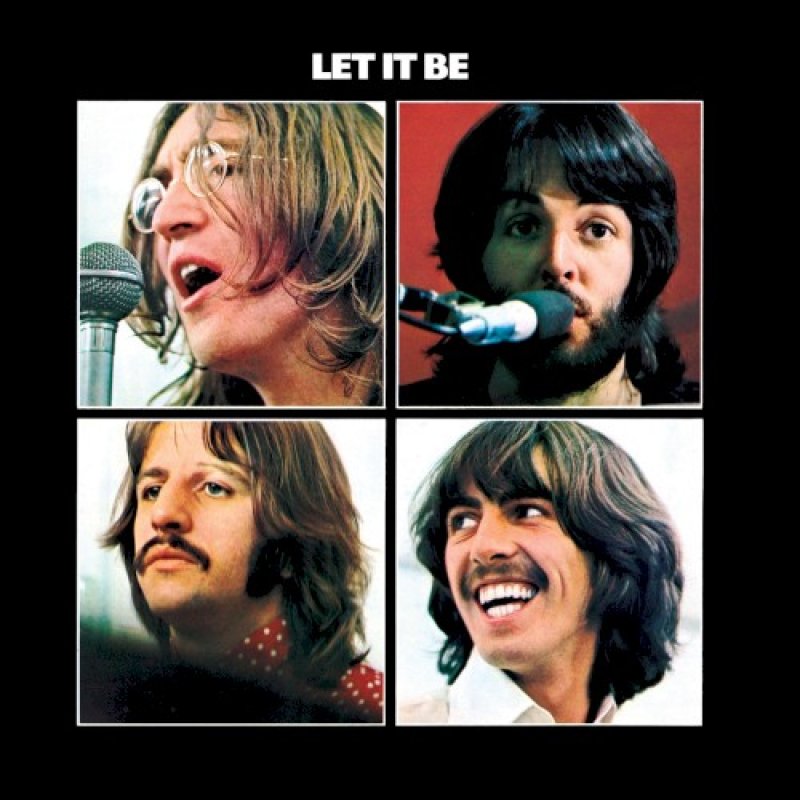
Let It Be
The Beatles · 1970 · Track 10
Details
Credits
Music Paul McCartney, John Lennon