The story behind
La soledad, according to DoReSol
The loneliness has an air unlike anything else on the album. It's not just the length — five minutes and sixteen seconds — that makes it stand out, but how that time stretches without losing intensity. The track starts with a rhythmic base oscillating between rock and reggae, yet instead of falling into predictable repetitions, the tempo changes give it an organic movement, as if it were breathing. The bass and guitar engage in a pattern that repeats, but never in the same way: sometimes it speeds up, other times it relaxes, and in between lies that space where Emiliano Brancciari's voice enters with a melody that seems to emerge from nowhere. It's not a song you listen to in one go; it demands attention, and that's precisely what makes it special.
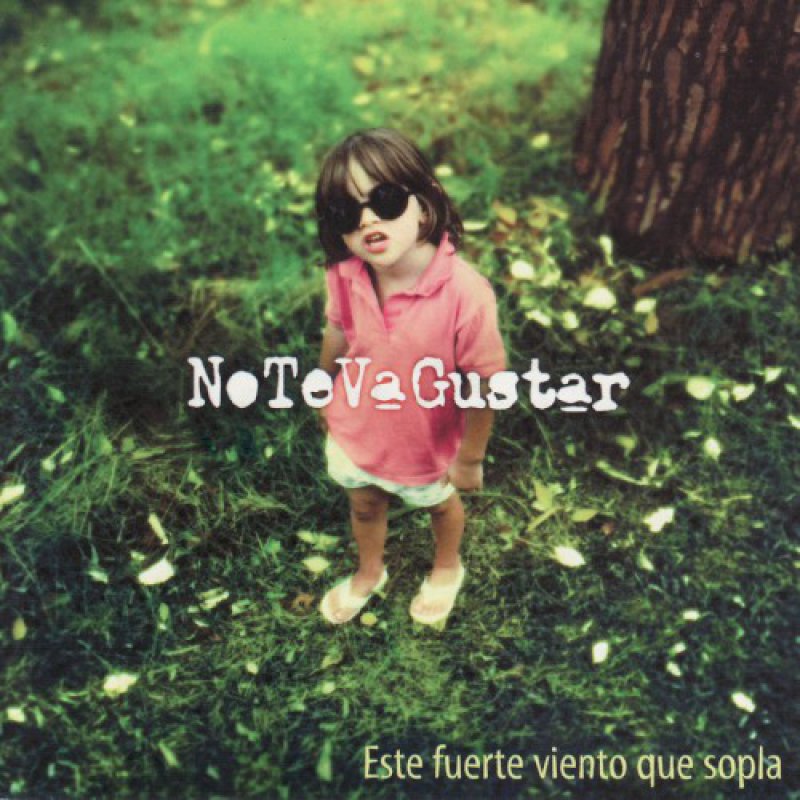
The track was recorded in two different studios and cities: most of the tracks were laid down in Santiago de Chile during March 2002, under the direction of Mariano Pavéz, while the song Clara was finished in Montevideo the following April, with Álvaro Reyes at the helm. The album, Este fuerte viento que sopla, was presented that October at the Teatro de Verano in the Uruguayan capital, marking a turning point in the band's sound: after years of rehearsing in venues like La Zapada or La salida de Abril, they finally had material to showcase. No Te Va Gustar was no longer a trio but a larger formation, with brass and percussion adding that distinctive color. Loneliness was no exception: its structure, with those rhythmic fluctuations, reflects well the band's moment of exploration.
From album

Este fuerte viento que sopla
No Te Va Gustar · 2002 · Track 9
Details
Credits
Lyrics Emiliano Brancciari
Music Emiliano Brancciari