Chords in progress
We have not analyzed this song audio yet. Once it is ready, you will see the chord player synced with the video.
The story behind
Kamikaze, according to DoReSol
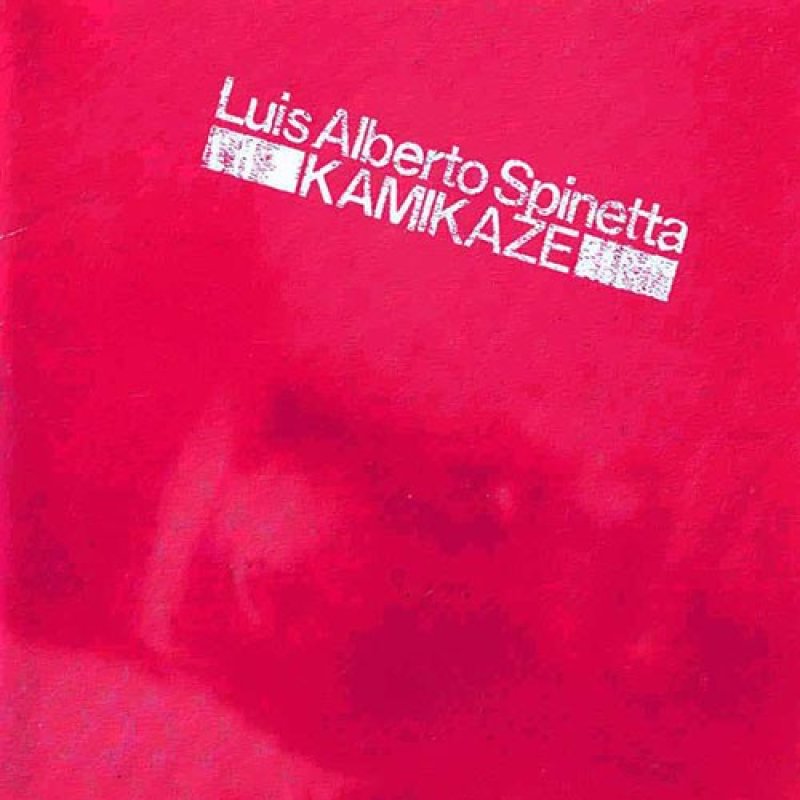
Kamikaze is not just a three-minute song with a blunt title, but a crack in time where history, art, and politics collide without warning. Spinetta borrows the name of the Japanese pilots who hurled themselves against enemy ships during World War II, but not to glorify their act—rather, to dismantle it. He does so through a book passed to him by Gabriel Senanes: *The Kamikaze: A History of Japanese Suicide Pilots in World War II*, written by Fernando Castro in 1971. The lyrics do not speak of heroes or villains, but of that instant when a people’s culture becomes a double-edged weapon. The detail that resonates most when listening is how the sound fractures between the epic and the intimate, as if the guitar itself breathes the tension between what is sacrificed and what is questioned.The album Kamikaze, released in 1982, reached the public just as the world was recalling another form of mass sacrifice: the Falklands War.
Spinetta did not set out to make a political record, but the coincidence forced him to rethink the meaning of his own work. In the song, the artist plays with layers of irony and pain: the word “kamikaze” repeats like a mantra, yet each time it does, it sounds more fragile. There is no anthem to destruction here, only a mirror reflecting how the West often reduces other peoples to mere symbols of its own violence. Spinetta’s guitar, at times cutting and at others nearly whispering, conveys that ambiguity: what is sacrifice, and what is resistance, when art refuses to offer solace?
From album

Kamikaze
Luis Alberto Spinetta · 1982 · Track 1
Details
Credits
Lyrics Luis Alberto Spinetta
Music Luis Alberto Spinetta