The story behind
Barro tal vez, according to DoReSol
The first time Barro tal vez plays, one notices that something doesn't quite fit what you'd expect from a zamba. It's not just the opening chords —A minor and G major— which already give it a melancholic air, but because that combination breaks just when the chorus reaches its highest point. There, where a traditional zamba would maintain its rhythm, Spinetta accelerates the pulse to shout the song's title, as if the clay itself became a voice. And it's no coincidence that this moment occurs: the track was recorded at night in the garden, with crickets and frogs in the background, a detail the musician noted in the album's liner notes as "the crickets and frogs in multiple stereo for the final zamba." That ambient, almost organic sound gives the song a texture rarely heard in 1980s studio recordings, where everything tended to be too polished.
The story behind Barro tal vez begins long before it reached Kamikaze. Spinetta wrote it in 1965, when he was fifteen years old, and although it was kept for nearly two decades, it eventually became one of his most iconic tracks. It wasn't a commercial success when released in 1982 —the album Kamikaze wasn't aiming for that—, but over time it earned its place. Mercedes Sosa included it in Cantora, un viaje íntimo, singing a duet with him, and years later Ligia Piro performed it at a memorial concert for Germán Parsons, tied to the twenty-nine years since the AMIA bombing. Even Spinetta brought it to his MTV unplugged concert in 1997, where he played it solo with an acoustic guitar and a Rhodes, proving that, beyond the arrangements, the essence of the song was always pure and direct. The exact duration is three minutes and twenty-three seconds, but within those minutes lie decades of silence, teenage writing, and a zamba that ultimately became much more than a genre: a cry in the clay.
From album

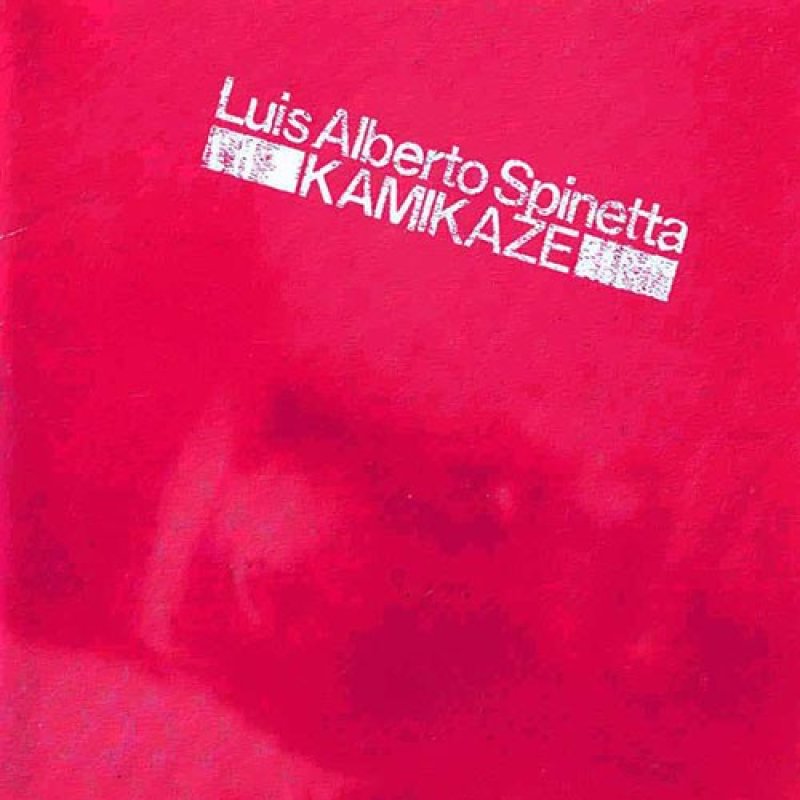
Kamikaze
Luis Alberto Spinetta · 1982 · Track 6
Details
Credits
Lyrics Luis Alberto Spinetta
Music Luis Alberto Spinetta