Chords in progress
We have not analyzed this song audio yet. Once it is ready, you will see the chord player synced with the video.
The story behind
Highway 61 Revisited, according to DoReSol
The song Highway 61 Revisited, which gives its name to a 1965 album by Bob Dylan, was originally released as the B-side of the single Can You Please Crawl Out Your Window? in December of that same year. What is striking about this piece is how Dylan weaves a series of settings and characters who, in one way or another, find their resolution or meeting point on Highway 61. This route, which stretches from Duluth, Minnesota, to New Orleans, was a vital path for many African Americans heading north, traversing the heart of the Mississippi Valley.
In the song's structure, each of the five verses presents a conflict or a particular situation. In the first, a biblical scene is invoked where God asks Abraham to sacrifice his son on this very highway, a clear allusion to the Genesis story. Then, we find Georgia Sam, who unsuccessfully seeks social assistance and is directed towards Highway 61. The third verse introduces "Mack the Finger" with an unusual number of shoelaces and non-working phones, and it is "Louie the King" who suggests he resolve it there. The fourth verse mentions a "second mother" and a "seventh son" together in the same place. Finally, the fifth verse tells the story of a gambler trying to orchestrate a world war, being instructed to do so on Highway 61. A sonic peculiarity is the pause that Dylan introduces in each verse, as if waiting for the outcome of the events, and the police siren effect created by Al Kooper that accompanies the piece.
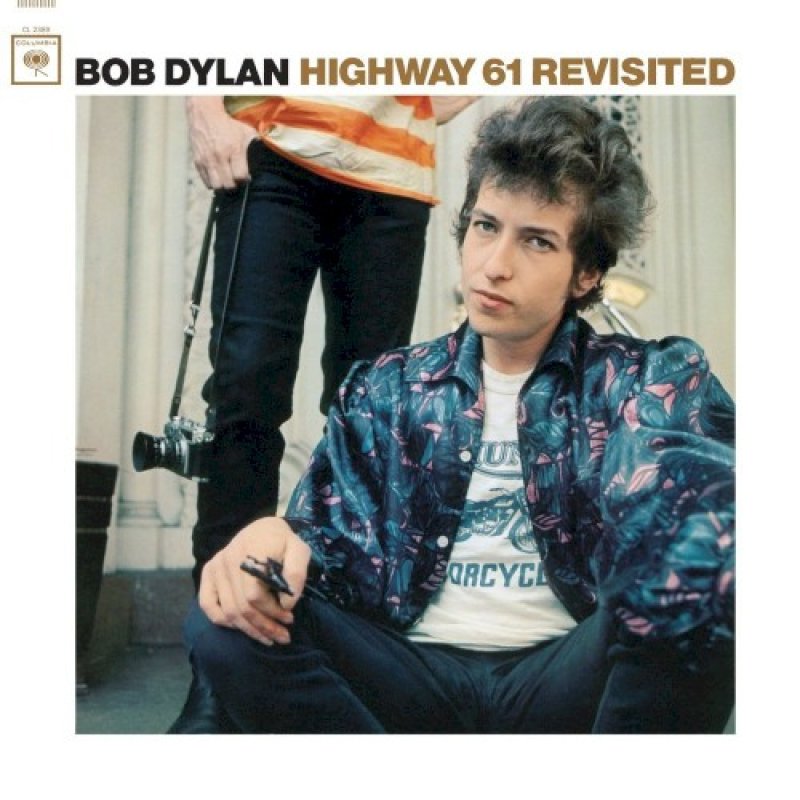
This album, Highway 61 Revisited, marked a significant turn in Bob Dylan's career. Released in August 1965 by Columbia Records, it continued the sonic exploration initiated in Bringing It All Back Home, incorporating rock musicians to accompany him on all tracks. This represented a departure from his more acoustic folk sound, except for the eleven-minute ballad Desolation Row which closes the album. Critics highlighted the way Dylan fused powerful music rooted in the blues with the poetic subtlety of his lyrics, managing to capture the spirit of America at the time. Some consider this album to have been a starting point for the 1960s. The album was preceded by the hit single Like a Rolling Stone.
From album

Highway 61 Revisited
Bob Dylan · 1965
Details
Credits
Lyrics Bob Dylan
Music Bob Dylan