The story behind
El preso número nueve (Prisoner Number Nine), according to DoReSol
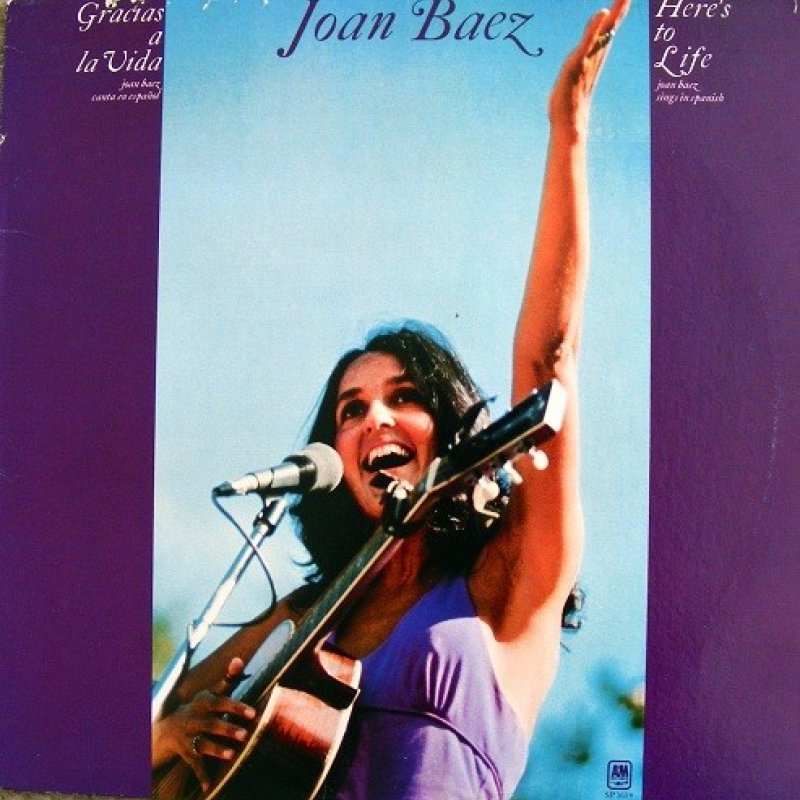
The story behind El preso número nueve (Prisoner Number Nine), a piece that Joan Baez included on her album Gracias a la vida, takes us to a moment of deep reflection and commitment. Recorded and released in 1974 by A&M Records, this discographic work is distinguished by being sung mostly in Spanish, with the exception of one track in Catalan. Baez conceived this album as a gesture of encouragement for the Chilean people, who were going through difficult times under the regime of Augusto Pinochet, shortly after the death of President Salvador Allende. Her stance was always critical of US foreign policy in Latin America, and her visits to the region were marked by her activism in favor of human rights.
Within Gracias a la vida, we find compositions by Chilean artists such as Victor Jara, whose life was tragically cut short after the coup d'état of September 11, 1973, and Violeta Parra. The song El preso número nueve (Prisoner Number Nine), with a duration of 3 minutes and 25 seconds, adds to this context of artistic and social expression. The album as a whole reflects Baez's connection with the music and reality of Latin America, offering a message of hope through her interpretations.
From album

Gracias a la vida
Joan Baez · 1974
Details
Credits
Lyrics Hermanos Cantoral
Music Hermanos Cantoral