The story behind
Clara, according to DoReSol
The first time you listen to it, Emiliano Brancciari's bass grabs you right in the middle: that riff that repeats without haste, like a heartbeat that never fades. It's not a song that invites you to dance, but to stay still, to let the lyrics envelop you. The story Clara tells is one of those that won't be forgotten: a love that ends too soon, yet remains alive and intact in the protagonist's memory. He dreams of finding her "up there," as if the pain of loss were merely a bad dream he doesn't want to wake from. What's curious is that Brancciari didn't invent this story from scratch: according to what he later said, the song was born from the frustration of a singer who lost his voice and could no longer sing. That's the detail that makes this track unique: it's not just a ballad about lost love, but also about the impossibility of continuing to create music when your body fails you.
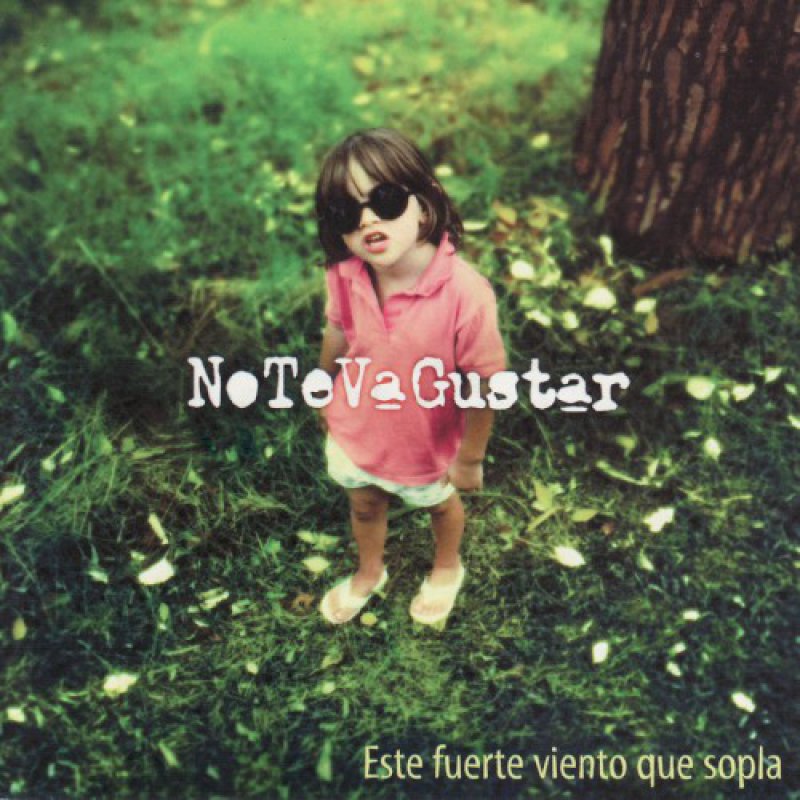
The album Este fuerte viento que sopla —where Clara appears as the closing track— was recorded in two cities and with two different teams. Most of the tracks were laid down in Santiago de Chile in March 2002, under the direction of Mariano Pavéz, but this particular song was worked on separately in La Zapada (Montevideo), with Álvaro Reyes handling the recording in April of that same year. The record, which blends ska, rock, reggae, and even murga, was officially released on October 12, 2002, at Montevideo's Teatro de Verano, and the band hasn't stopped touring since. Clara lasts exactly 4 minutes and 10 seconds, just enough time for the story to unfold without rushing. It's not a song that seeks attention through virtuosity, but through the raw truth of its verses and that bassline that seems to drag along like a sigh.
From album

Este fuerte viento que sopla
No Te Va Gustar · 2002 · Track 8
Details
Credits
Lyrics Emiliano Brancciari
Music Emiliano Brancciari