The story behind
Blue Haways, according to DoReSol
The first time I heard Blue Haways, I was hooked by that piano that sounds like it’s telling a story in a Paris café at three in the morning. It’s not a track that moves in a straight line: it has that swing sway mixed with chords that seem plucked from a milonga, yet with such a personal air that it’s hard to believe it’s not a rhythm he invented himself. The main melody, with its air of nostalgia that never quite turns sad, is one of those that lingers in your head for hours afterward. And the best part is that it doesn’t sound like an imitation: it’s as if Conte had taken jazz, South American music, and a bit of his own life in Rome, and cooked up something only he could achieve.
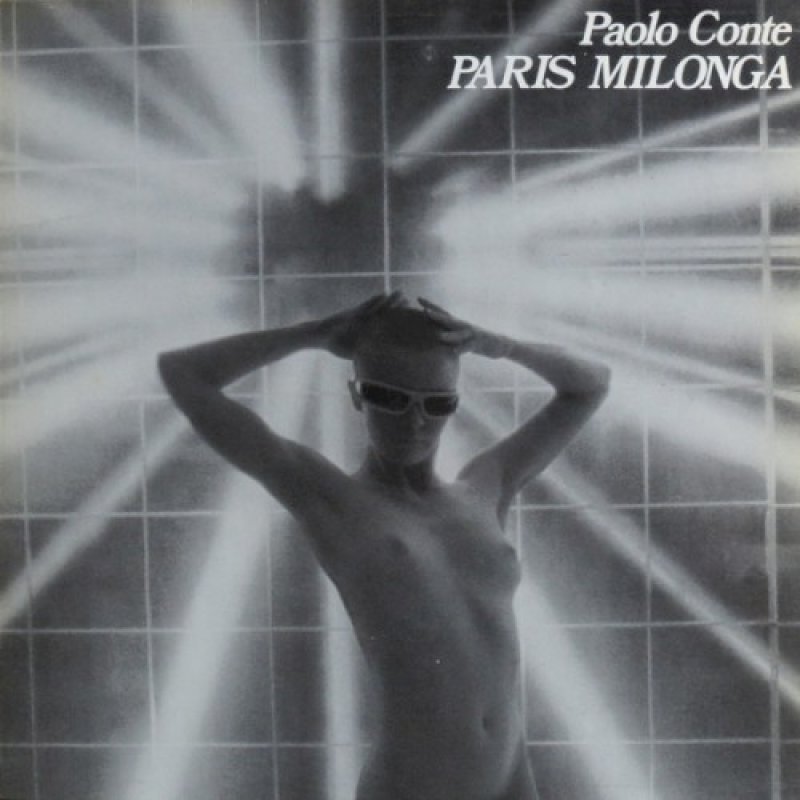
This track was born at Format in Turin, the studio that Happy Ruggiero ran in the city and where Paolo Conte recorded two of his most famous songs from that album. But Blue Haways wasn’t made there: it was recorded at the RCA studios in Rome, where the sound became cleaner, more defined. The album, Paris milonga, was released in May 1981 and marked Conte’s return to his roots: after working with Nanni Ricordi on Un gelato al limon (1979), he once again trusted Lilli Greco, the producer of his first two albums. What’s interesting is that the record not only solidified his jazz-infused style but fused it with South American rhythms, creating something that sounded fresh even for its time. In 2007, his work Razmataz earned him an honorary degree in Painting from the Accademia in Catanzaro, but that’s another story.
From album

Paris milonga
Paolo Conte · 1981 · Track 3
Details
Credits
Lyrics Paolo Conte
Music Paolo Conte