The story behind
Ba-lue Bolivar Ba-lues-are, according to DoReSol
The first time I heard Ba-lue Bolivar Ba-lues-are, I was captivated by that rhythm that seems to move in circles, as if the piano and saxophone were chasing each other without ever meeting. It's not a melody that progresses in a straight line: it advances in a spiral, with pauses that breathe and tempo changes that force you to let go of what you're playing to re-engage. Monk recorded it in a single take in October 1956, with a quintet that included Sonny Rollins and Max Roach, but the most curious thing is its title: it's not a name, but an imitation of how Monk himself pronounced "Blue Bolivar Blues." The "Bolivar" comes from the Bolivar Hotel in Manhattan, where Pannonica de Koenigswarter, a jazz patron who appears in several of Monk's tracks, lived.
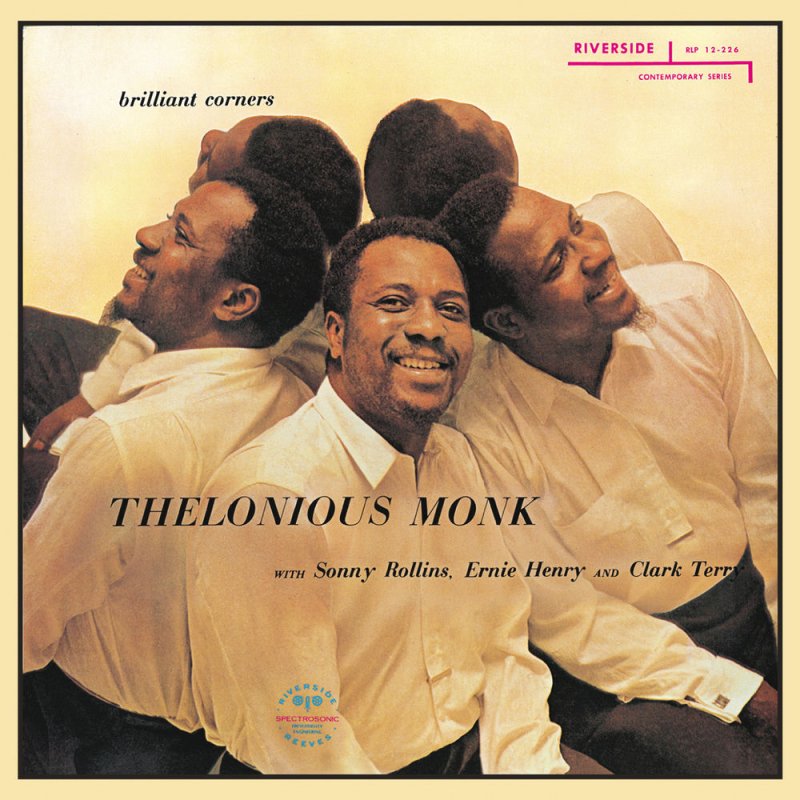
The song lasts thirteen minutes, but within that time, layers of improvisation fit in, making each listen unique.They recorded it in two sessions separated by weeks, in October and December 1956, as part of the takes for the album Brilliant Corners. Orrin Keepnews, the producer, had to edit fragments from different takes to assemble the final version, because Monk rarely repeated anything exactly the same way twice. What remained was a piece that doesn't sound like a studio recording, but rather like a rehearsal that stretched longer than planned: the musicians enter and exit the themes as if they were testing ideas in the moment.
The result is a track unlike anything else in jazz of the time: neither a ballad nor pure hard bop, but something that exists in that boundary where the structured and the free collide.
From album

Brilliant Corners
Thelonious Monk · 1957 · Track 2
Details
Credits
Music Thelonious Monk