The story behind
Pannonica, according to DoReSol
The first time you listen to Pannonica by Thelonious Monk, what strikes you most is that crystalline sound that emerges between the piano chords. It’s not a regular piano: Monk uses a celesta, that keyboard instrument that looks like a miniature piano but with a timbre that floats between the childlike and the ethereal. The celesta gives the melody an air of a fairy tale, as if the song were telling a story in another language. And it’s no coincidence: the title itself is a tribute to Pannonica, the baroness who became Monk’s patron and muse for more than one of his pieces. That blend of the intimate with the mysterious is what makes Pannonica sound unlike any other jazz track from the 50s.
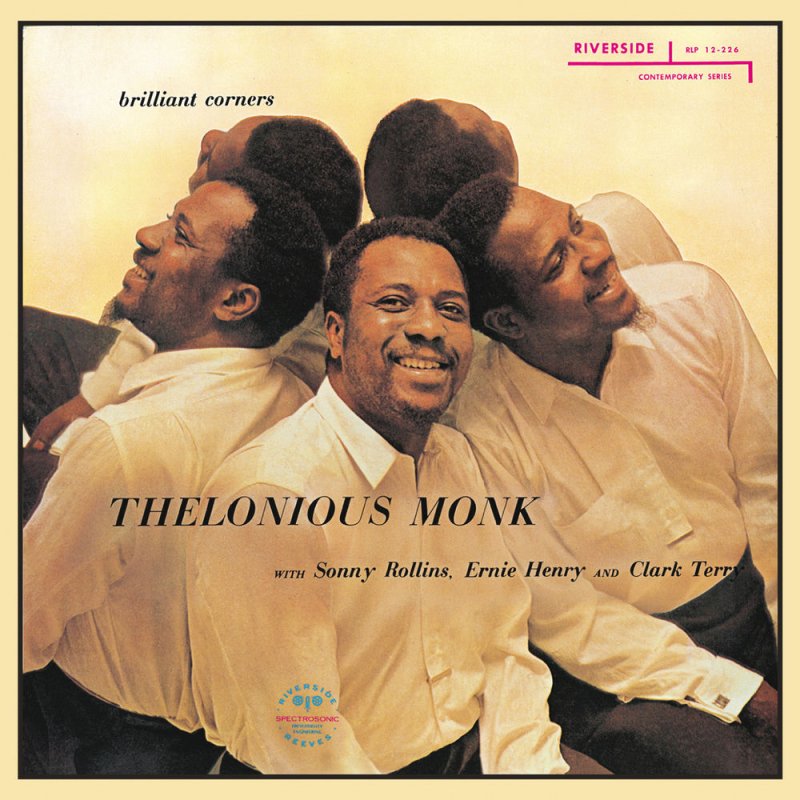
It was recorded in two sessions in October and December 1956, right in the heart of Manhattan, with a quintet that included Sonny Rollins on saxophone, Ernie Henry on another saxophone, Oscar Pettiford on bass, and Max Roach on drums. But the most curious detail is that Pannonica and Ba-lue Bolivar Ba-lues-Are were recorded on the same day, October 9th, on a single reel of tape. The second song, by the way, takes its title from the way Monk pronounced “Blue Bolivar Blues,” a nod to the Bolivar Hotel where the baroness stayed. Orrin Keepnews, the producer, was so pleased with the result that he included both tracks on the album Brilliant Corners, released in 1957. And although the final version of Pannonica lasts nearly nine minutes, in live performances Monk would stretch it out until the piano and celesta faded into their own echo.
From album

Brilliant Corners
Thelonious Monk · 1957 · Track 3
Details
Credits
Music Thelonious Monk