The story behind
All Things Must Pass, according to DoReSol
When George Harrison was still in The Beatles, during the recording sessions for the album Let It Be in January 1969, a piece emerged that, although rehearsed, was set aside. This composition, titled All Things Must Pass, was one of many explored during that period. However, as the sessions progressed, the song did not become part of the band's final project. After the temporary abandonment of Let It Be, Harrison recorded a demo version on February 25, 1969. In this take, he performed the song twice and then added guitar layers to the second. This particular version would see the light much later, in 1996, as part of The Beatles' compilation Anthology 3.
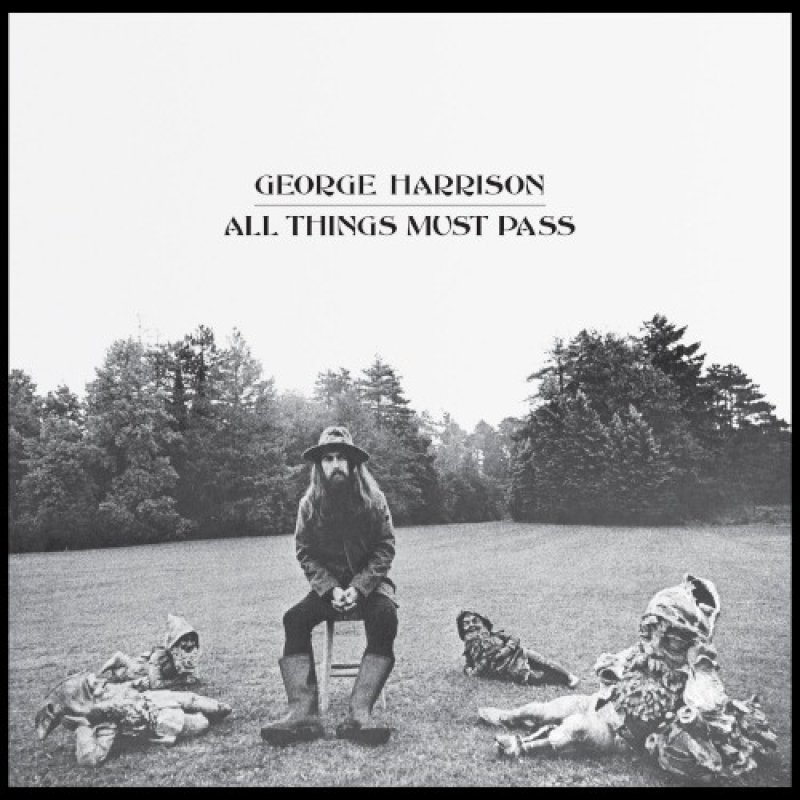
It was after the dissolution of The Beatles that George Harrison revisited All Things Must Pass for his solo debut album, also called All Things Must Pass, released in 1970. This record, presented as a triple album in November 1970, marked his first studio work after the group's separation in April of that same year. The song, with a duration of 3:47, was produced alongside Phil Spector. In 2002, Paul McCartney performed this piece at the concert in memory of Harrison, known as Concert for George, on November 29. The song's lyrics, as inferred from the January 1969 sessions, underwent a slight evolution; a line that originally read "a wind can blow those clouds away" was modified to "a mind can blow those clouds away," suggesting a more introspective touch, even with a hint of psychedelia, as perceived in bootleg recordings from the era.
From album

All Things Must Pass
George Harrison · 1970 · Track 14
Details
Credits
Lyrics George Harrison
Music George Harrison