


🇯🇲 JM · Jamaica · Chapter 2 of 5
The Rocksteady and the Reggae: The Sound that Conquered the World (1966–1981)
In the summer of 1966, something changed at Kingston studios. Ska — that fast-paced, metal-rich music that had been Jamaica's independence soundtrack — began to slow down. The tempo dropped. Metals disappeared from the mix or were reduced to a secondary role. The bass stepped forward with thicker, more sinuous lines. And the rhythmic guitar continued to strike out of time — the offbeat accent that was ska's legacy — but more slowly, with more space between each beat.

The new rhythm had a name that came from the dance floor: the rocksteady, baptized by a song of Alton Ellis that described a new way of moving, calmer and more sensual than the frenetic skanking of ska. And that new name also described a mood: Jamaica had spent four years of independentist euphoria and was beginning to face the harsher reality of poverty, unemployment and violence in the neighborhoods of Kingston. The music slowed down because life had also slowed down — toward something darker and more urgent.
The rocksteady lasted only two years — approximately from 1966 to 1968 — but during that time it produced some of the most beautiful records of Jamaican music: love songs with harmonic depth that ska had not had, vocal groups with perfect harmonies, bass lines that anticipated everything that reggae would do later.
The Bridge: Alton Ellis and the Vocal Groups
Alton Ellis — "the godfather of rocksteady" — was the artist who best embodied the transition. His voice was pure American soul reinvented in Jamaican: a capacity for melancholy and tenderness that ska, in its danceable urgency, had not been able to fully express. His recordings for Duke Reid on the label Treasure Isle — "Rock Steady", "I'm Still in Love With You", "Girl I've Got a Date" — defined the sound of the new genre with an elegance that has not aged.
The Paragons, The Techniques, The Heptones, The Melodians: the vocal groups of rocksteady produced some of the best harmonies in Caribbean popular music. The Paragons — whose "The Tide Is High" was covered by Blondie in 1980 to become a worldwide number one — combined the smoothness of American doo-wop with the specifically Jamaican groove of rocksteady. The Melodians recorded "Rivers of Babylon" (1970) — based on Psalm 137 — which Boney M turned into one of the biggest hits in the history of European pop in 1978.
1968: From Rocksteady to Reggae
The transition from rocksteady to reggae was gradual and almost impossible to date precisely. What changed was the rhythmic pattern of the drum kit: the one drop — the hit on the bass drum and the snare falling together on the third beat of the bar, leaving the first beat completely empty — that gave the music a sense of gravity and weight that rocksteady did not have. The bass also changed: deeper, slower, with more space between the notes.
The first record to use the word reggae was "Do the Reggay" by Toots and the Maytals (1968). But reggae as a fully formed genre emerged in that same year with recordings such as "Nanny Goat" by Larry Marshall and the first records of the Wailers under the production of Lee "Scratch" Perry — the brilliant and eccentric producer who transformed the group's sound and created the sonic space in which Bob Marley found his definitive voice.
Bob Marley: The Man Who Made the World Listen to Jamaica
Robert Nesta Marley was born on February 6, 1945, in Nine Mile, a rural village in the parish of Saint Ann, in northern Jamaica, son of a Jamaican Black mother and a Jamaican White father of English origin. That mixed heritage — which in Jamaica in the 1940s was a source of double marginalization — would mark his entire life and music: the man who would sing "One Love" and "Redemption Song" was someone who had experienced rejection from both sides of the racial line.
He arrived in Kingston as a teenager and settled in Trenchtown — the west side ghetto of the city, built in the 1950s as a social housing neighborhood and turned into one of the poorest and most violent areas of Jamaica. In Trenchtown he learned to play the guitar, to sing the vocal harmonies with Peter Tosh and Bunny Wailer, and absorbed the rastafari movement — the spiritual philosophy that identified black people of the diaspora as the chosen people of God, that proclaimed Haile Selassie of Ethiopia as the divine king, and that taught that repatriation to Africa was the spiritual destiny of all Africans in the world.
Rastafari gave Marley something that no other religious or political tradition could have given him at that time: a spiritual framework that connected the everyday experience of Jamaican poverty with the global history of slavery and African colonialism, and that formulated that connection in terms of hope rather than despair. That combination — the political urgency of the present and the spiritual promise of the future — is what makes Marley's songs work in any cultural context around the world.
The Wailers recorded their first single at Studio One in 1963. For ten years they enjoyed local success in Jamaica without penetrating the international market. The turning point came in 1972, when Chris Blackwell — the founder of the Island Records label, Jamaican-born, who had launched Desmond Dekker into the British market — signed the Wailers and took them to London to record what would become Catch a Fire (1973).
Catch a Fire was the first Jamaican reggae album produced with the production standards of international rock — careful mixes, clean sound, polished presentation — and distributed as a coherent album rather than as a collection of singles. It was an object designed for the white Anglo rock audience, and it worked: American and British rock critics received it with the same respect they gave to the best albums of its genre.
What followed in the eight years until Marley's death was one of the most consistent and influential careers in popular music of the twentieth century:
Burnin' (1973) — with "Get Up, Stand Up" and "I Shot the Sheriff", which Eric Clapton covered in 1974 to take it to number one in the United States.
Natty Dread (1974) — with "No Woman, No Cry" in its studio version, before the Lyceum London live version that would become the canonical version.
Rastaman Vibration (1976) — the first reggae album to reach the Top 10 in the United States.
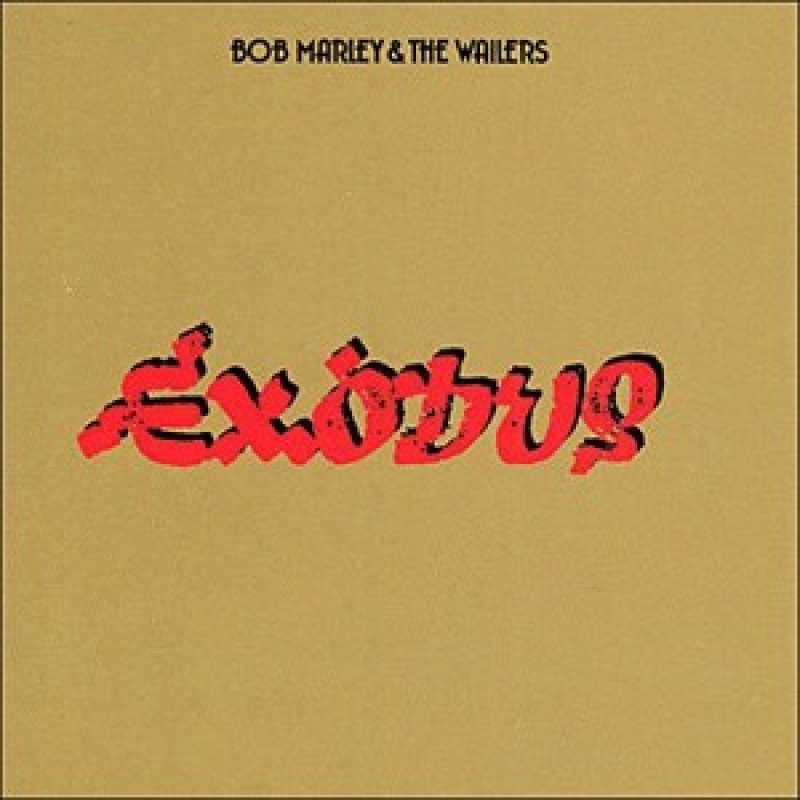
Exodus (1977) — recorded in London after an assassination attempt on his home in Kingston forced him to leave Jamaica — with "Jamming", "Three Little Birds", "One Love" and "Exodus" itself. The magazine Time chose it as the album of the 20th century in 1999.
In December 1976, two days before the "Smile Jamaica" concert — a peace event organized in the middle of the electoral violence that was dividing Kingston — an armed group entered Marley's house and shot at him. He survived with injuries to his arm and chest. He performed at the concert two days later, with his arm bandaged. When someone asked him why, he said: "People who try to make this world worse don't take a day off. Why should I?"
In 1977 he was diagnosed with melanoma on his big toe. He rejected amputation for Rastafarian religious reasons. The cancer spread. He continued recording and performing until his body would no longer allow it. He died on May 11, 1981 in Miami, on the way back to Jamaica, at the age of thirty-six.
His funeral was a state event. The Prime Minister and the leader of the opposition attended together — the same two factions that had organized the political violence that almost killed him in 1976. He was buried in Nine Mile, where he was born, with his Gibson Les Paul guitar and an open Bible at Psalm 23.
Peter Tosh y Bunny Wailer: Los Otros Wailers
The story of the Wailers is not just the story of Marley. Peter ToshWinston Hubert McIntosh — was the most combative and politically radical Wailer: a man who never softened his message for courtesy or commercial convenience. His album Legalize It (1976) — the first reggae album explicitly devoted to the legalization of cannabis — and Equal Rights (1977) are documents of a political radicalism that Marley, always more concerned with unity than confrontation, did not reach. He was murdered in his Kingston home in September 1987 by burglars. He was forty-two years old.
Bunny WailerNeville Livingston — was the most reserved and the most faithful to the spiritual roots of rastafari. His album Blackheart Man (1976) is for many the best roots reggae album that exists: a set of songs of a spiritual depth that commercial reggae never reached. He died in 2021 at the age of seventy-three, the last of the three original Wailers.
Jimmy Cliff: Reggae in Film
Jimmy Cliff was another great international ambassador of reggae, and his tool was film: the movie The Harder They Come (1972) — in which he played the protagonist, a young man from Kingston's suburbs who tries to be a singer and ends up becoming a criminal — was the first Jamaican film distributed internationally and the one that brought reggae to audiences who had never heard the word. The soundtrack — with "Many Rivers to Cross", "Sitting in Limbo" and the title track — was the first reggae album to circulate widely outside Jamaica and the UK.
Editor's note: Bob Marley died at the age of thirty-six. At that time he recorded more than twelve studio albums, led a band that became the first superstars of the Third World in the global music market, and produced songs that are still being listened to on all continents four decades later. The question of what he would have done with another thirty-six years is one of the most painful questions in the history of popular music. But perhaps the most honest answer is that he didn't need more time: everything he did contains all the essential. "Redemption Song" — recorded six months before his death, him alone with an acoustic guitar, knowing already that cancer had won — is enough to justify a lifetime. And he had dozens more.
10 · 5 en DoReSol
Top 10 of Rocksteady and Jamaican Reggae
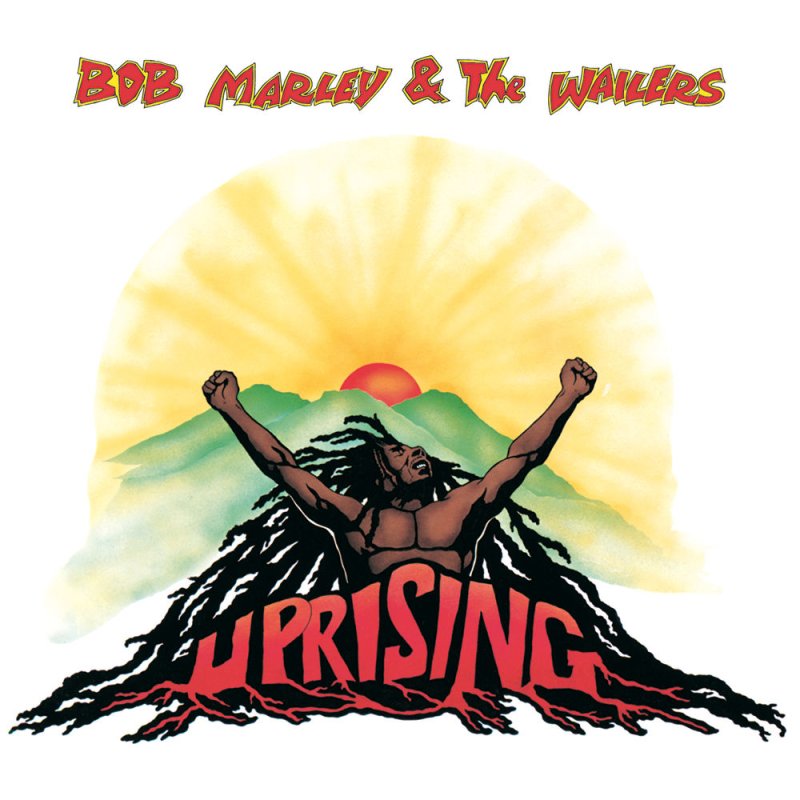
Redemption Song
Bob Marley & The Wailers · 1980
Alone, acoustic guitar, six months before he died. "Emancipate yourselves from mental slavery / None but ourselves can free our minds." The most important song of Marley and one of the most important of the 20th century.
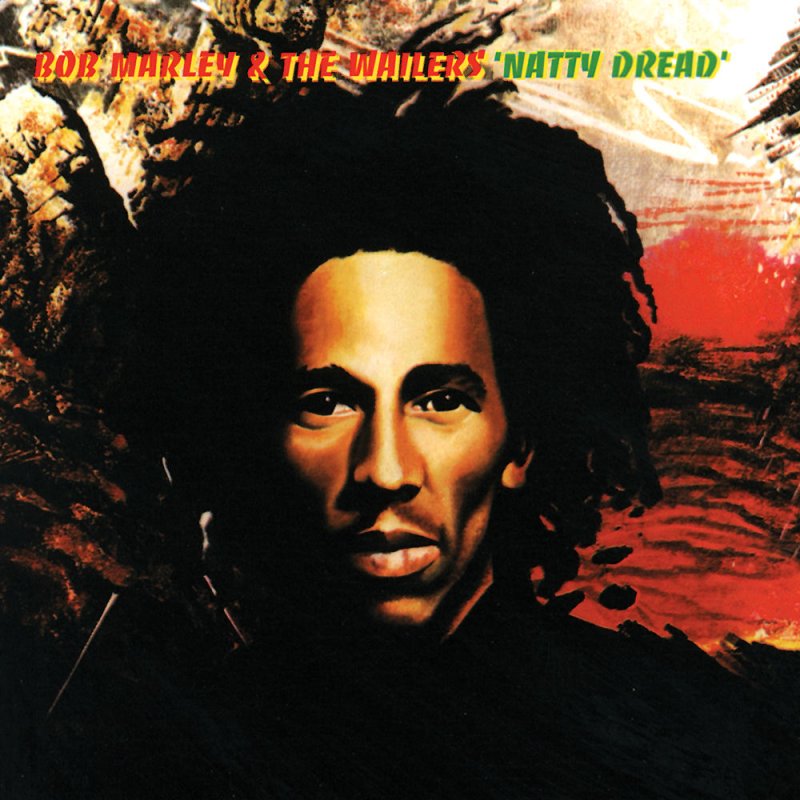
No Woman, No Cry
Bob Marley & The Wailers · 1974
The nostalgia of Trenchtown turned into universal comfort. The Lyceum London version is the definitive one: Marley singing to the audience as if he were singing just for her.
One Love / People Get Ready
Bob Marley & The Wailers · 1977
The anthem of human unity in its most direct form. The song that has played the most times in airports, stadiums and ceremonies in the history of reggae.
Exodus
Bob Marley & The Wailers · 1977
The album of the century according to Time in 1999. The side A political, the side B spiritual. Marley in exile in London writing the most complete music of his career.
Equal Rights
Peter Tosh · 1977
The most radical Wailer at his most furious moment. "Everybody is crying out for peace / None is crying out for justice." The demand for justice that Marley always expressed more gently.
The Harder They Come
Jimmy Cliff · 1972
The song that opened Jamaica to the world through film. Reggae as the soundtrack of the poor's resistance against the system — in Jamaica and anywhere else in the world.
Rivers of Babylon
The Melodians · 1970
Psalm 137 converted into rocksteady. Boney M would take it to number one in Europe eight years later, but the original version has a spiritual melancholy that no pop version can replicate.
Rock Steady
Alton Ellis · 1966
The song that baptized the genre. The moment when Jamaican music decided to breathe and become deeper.
Blackheart Man
Bunny Wailer · 1976
The most spiritual and pure roots reggae album. The Wailer who didn't want fame but left the best record of his generation.
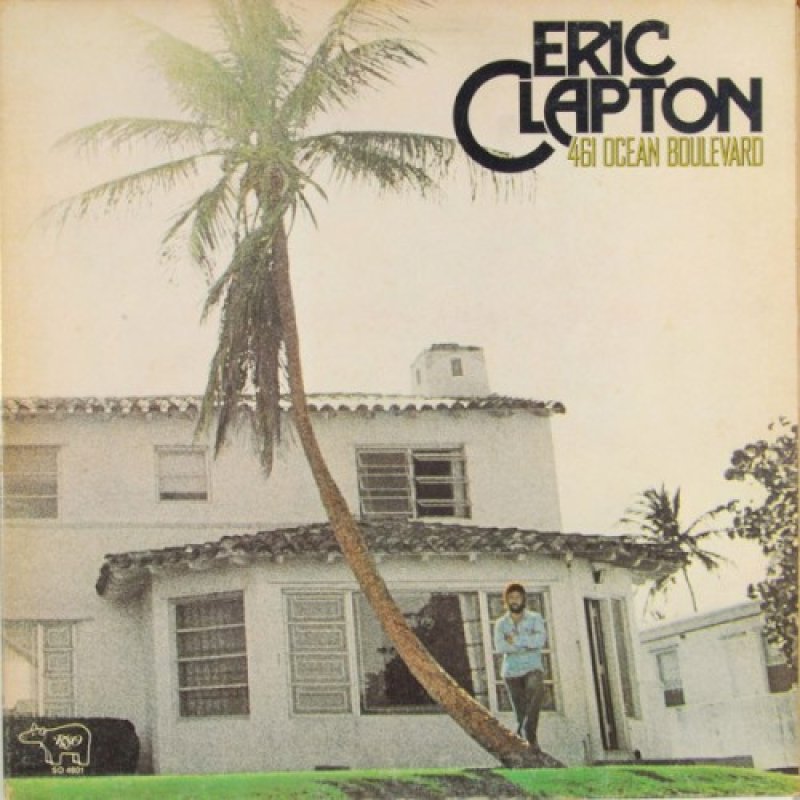
I Shot the Sheriff
Eric Clapton · 1974
The moment when Jamaican reggae reached number one in the United States. The song that explained to the world that Jamaica existed musically.
The full series
Jamaica
Ska, rocksteady, reggae, dub. The island that changed the world's rhythm.
-
CAP 01
🇯🇲 Ch 01
Ska: The Soundtrack of a Nation That Had Just Been Born (1950–1966)
Jamaica has an area of 10,990 square kilometers — smaller than the
-
CAP 02 you are here
🇯🇲 Ch 02
The Rocksteady and the Reggae: The Sound that Conquered the World (1966–1981)
In the summer of 1966, something changed at Kingston studios. Ska — that fast-paced, metal-rich music that had been Jamaica's independence soundtrack — began to slow down. The temp
-
CAP 03
🇯🇲 Ch 03
The Dub: When the Studio Became an Instrument (1968–1985)
A finales of the 1960s, in Duke Reid's studio in Kingston, a sound system operator named **Rudolph "Ruddy" Redwood** was preparing a work copy of a song for his system. B
-
CAP 04
🇯🇲 Ch 04
The Dancehall: When Kingston Got Electric and the World Started Dancing (1979–2010)
By the end of the 1970s, Kingston was a city at war with itself. Political violence between the two major Jamaican parties — the PNP of Michael Manley and the JLP of Edward Seaga —
-
CAP 05
🇯🇲 Ch 05
The Reggaeton and Global Influence: How a Three Million Island Changed the World Music (1990–today)
In 1990, the Jamaican producer Bobby Digital took a riddim created by the production duo Steely & Clevie — based on a rhythmic pattern from a track by Gregory Peck called "Poc
You might also like
3 articles picked by editorial similarity


