


🇯🇲 JM · Jamaica · Chapter 5 of 5
The Reggaeton and Global Influence: How a Three Million Island Changed the World Music (1990–today)
In 1990, the Jamaican producer Bobby Digital took a riddim created by the production duo Steely & Clevie — based on a rhythmic pattern from a track by Gregory Peck called "Poco Man Jam"Shabba Ranks titled "Dem Bow". The rhythmic pattern was specifically Jamaican: bass and snare in an asymmetric synchronization, with an extra beat that falls outside of expected time and forces the body to move in a particular way.

That riddim crossed the Caribbean. The Jamaican workers who had migrated to Panama since the nineteenth century to build the Canal — and whose descendants had been listening to Spanish reggae for decades — found it, translated it, and mixed it with Jamaican patois and Caribbean Spanish. Panamanian artists like El General and Nando Boom recorded it in Spanish.
It reached Puerto Rico. The underground producers of San Juan in the nineties found it on cassettes circulating hand to hand in the neighborhoods, mixed it with American hip-hop and salsa, and created a new genre that began called "reggae en español" and that the world would eventually come to know as reggaetón.
The riddim at the center of all that process was the dembow — the name comes directly from that 1990 Shabba Ranks song. And today, thirty-five years later, that same Jamaican rhythmic pattern beats at the center of the world's most played songs: in "Despacito" by Luis Fonsi and Daddy Yankee (2017), in "Tití Me Preguntó" by Bad Bunny (2022), in "Con Calma" by Daddy Yankee, in practically everything that dominates the global pop Latino charts.
Jamaica — an island of three million people — invented the world's most popular rhythm. And it did without intending to.
The Dembow Path: From Shabba Ranks to Bad Bunny
The dembow route from Kingston to the global domination of pop has several precise stops.
Panama, late 80s: The children of Jamaican workers who had come to build the canal in the previous century mixed Jamaican dancehall with Caribbean Spanish. The General — Aldo Ranks — was the first to record reggae in Spanish with quality production. His songs circulated throughout Latin America and reached Puerto Rico.
Puerto Rico, early 90s: The underground DJ DJ Playero started recording mixtapes that blended Jamaican dembow with lyrics from Puerto Rican rappers. The first tape to have massive impact was "Playero 37" (1992), which included a young man named Daddy Yankee. The genre lived in the underground — radio stations rejected it, cultural institutions ignored it, the media demonized it — but the youth from the neighborhoods copied it and distributed it by hand.
2004: "Gasolina" by Daddy Yankee, produced by the Dominican duo Luny Tunes, made it to American and European charts and turned reggaetón from an underground subculture into a global phenomenon. The Jamaican dembow at the center of everything.
2017: "Despacito" by Luis Fonsi and Daddy Yankee — with a production that includes the dembow in every measure — became the most viewed song on YouTube at that time and one of the biggest hits in the history of global pop. More than seven billion plays.
2022: Bad Bunny — Benito Antonio Martínez Ocasio, the artist most streamed on Spotify for four consecutive years — wins the Grammy for Best Urban Music Album with Un Verano Sin Ti, an album built almost entirely on Jamaican dembow. When someone asks him in an interview where reggaetón comes from, he says: "The recipe and some ingredients came from Panama, but the cooking was here in Puerto Rico, and we cooked in a very big pot."
Daddy Yankee, more directly, admitted what had always been obvious to anyone who wanted to see it: the beat of Shabba Ranks was the rhythmic foundation of the entire history.
Hip-Hop: The Debt the Bronx Owes to Kingston
But reggaetón is not the only story of Jamaican influence in global music. There is another older, more direct and deeper one.
Clive Campbell was born on April 16, 1955, in Kingston, Jamaica, in a neighborhood in the west of the city where sound systems were the center of social life. At twelve years old, he emigrated with his family to the Bronx, New York. He brought with him everything he had learned from the sound systems of Kingston: how to set up an audio system, how to select records, how to manipulate two copies of the same vinyl to extend the most danceable moments, how to speak over the music to excite the crowd.
On August 11, 1973, in the basement of 1520 Sedgwick Avenue in the Bronx, DJ Kool Herc — as everyone knew him — organized a neighborhood party and introduced the Bronx to a technique he had refined from what he had seen in Jamaica: the breakbeat, the extension of the most danceable instrumental part of a record using two copies played on turntables alternately.
That night is considered the birth of hip-hop. And its father — the man whom all of hip-hop history calls the founder — was Jamaican, and what brought it to the Bronx was directly the culture of Kingston's sound systems.
The debt is so direct that it's amazing it's not more well known: Jamaican toasting (speaking rhythmically over a track) became American rapping. The culture of the selector (the one who chooses the records) became the culture of the DJ. The practice of versioning a riddim (recording new lyrics over the same instrumental track) became sampling. The sound clash (the battle between sound systems) became battle rap.
Hip-hop is Jamaican reggae translated into Bronx English. And through hip-hop, Jamaica influenced all of popular music of the 20th century.
The Waves of Jamaican Influence
The list of genres that have direct Jamaican DNA is extraordinary for a country of three million inhabitants:
The 2 Tone British scene of the 70s and 80s — The Specials, Madness, The Selector — was Jamaican ska mixed with English punk. The post-punk of bands like The Clash and The Police absorbed reggae directly. The dub Jamaican gave rise to jungle, drum and bass, UK garage, dubstep, and grime — the entire chain of British urban electronic music genres has roots in what King Tubby was doing in his Waterhouse studio.
Nigerian and Ghanaian afrobeats — the genre of Burna Boy, Wizkid and Davido that dominates the global charts of the 21st century — share rhythmic DNA with Jamaican dancehall: the same bass patterns, the same relationship between the riddim and the voice, the same culture of the producer as central figure. When Wizkid collaborates with Drake on "One Dance" (2016), there are three musical traditions in the same song: Nigerian afrobeats, American hip-hop, and underneath it all, Jamaican dancehall that connects the two.
Drake — the most successful artist in global pop of the 2010s — built part of his musical identity on Jamaican dancehall: "Controlla" (2016), "One Dance", "Hold On, We're Going Home": all have the sound, the riddim, the cadence of 1990s Kingston. Rihanna — from Barbados, but musically formed in a Caribbean context directly influenced by Jamaica — carries patois and dancehall at the center of her career.
In 2018, the UNESCO inscribed reggae on the Representative List of the Intangible Cultural Heritage of Humanity — the official recognition that what Jamaica had produced in a few decades deserved the same protection as the great cultural traditions of the world.
The New Generation of Jamaicans
The 21st century also brought a new generation of Jamaican artists who are re-examining the legacy of reggae from within: Chronixx, Protoje, Koffee, Kabaka Pyramid — young artists who combine the spiritual and political depth of Bob Marley's roots reggae with contemporary production and references to global hip-hop and pop.
Koffee — Mikayla Simpson, born in 2000 in Spanish Town — won the Grammy for Best Reggae Album in 2020 with Rapture, becoming the youngest artist and the first woman to win that award. Her music sounds completely Jamaican and completely of the 21st century at the same time.
The island keeps producing. The kitchen doesn't close.
Editor's note: When Bad Bunny says that reggaetón was born in Puerto Rico, he is right in one sense: the genre as a complete cultural object — the name, the aesthetics, the community of artists, the industry — was formed in Puerto Rico. But the rhythmic heart of reggaetón is Jamaican in a way that leaves no doubt: the dembow is the riddim of Shabba Ranks from 1990, which in turn was the riddim of Steely & Clevie from 1989, which was the music of the Kingston sound systems of the eighties. Daddy Yankee recognized it. Shaggy said it plainly: "It's the same drum pattern they've had for years. That's dancehall." The world dances to the rhythm of Jamaica. Sometimes it knows. Sometimes it doesn't. The rhythm doesn't need them to know.
10 · 3 en DoReSol
Top 10 of Jamaican Global Influence
Despacito
Luis Fonsi & Daddy Yankee · 2017
Over 7 billion plays. The Jamaican dembow at the center of the biggest pop global hit of the 21st century. The ultimate proof that Jamaica continues to sound in dance floors all over the world.

Gasolina
Daddy Yankee · 2004
Reggaeton coming out of the Puerto Rican underground and reaching the world. The dembow Jamaican sounding on American and European radios for the first time at that level.
One Dance
Drake ft. Wizkid & Kyla · 2016
Jamaican dancehall, Nigerian afrobeats and American hip-hop in the same song. The convergence of the three legacies that Jamaica fertilized. Number one in fifteen countries.
Un Verano Sin Ti
Bad Bunny (album) · 2022
The most streamed album on Spotify in 2022. The Grammy. The Jamaican dembow dominating global pop from within, four years after UNESCO recognized reggae as humanity's intangible heritage.
Controlla
Drake · 2016
Drake openly declaring his debt to Jamaican dancehall. Popcaan — Jamaican — in the full version. American pop recognizing what has always been evident.
Rock Steady
No Doubt · 2001
The Jamaican ska arriving at American pop of the 2000s through Gwen Stefani's band. The full cycle: from Kingston to Los Angeles and back to global charts.
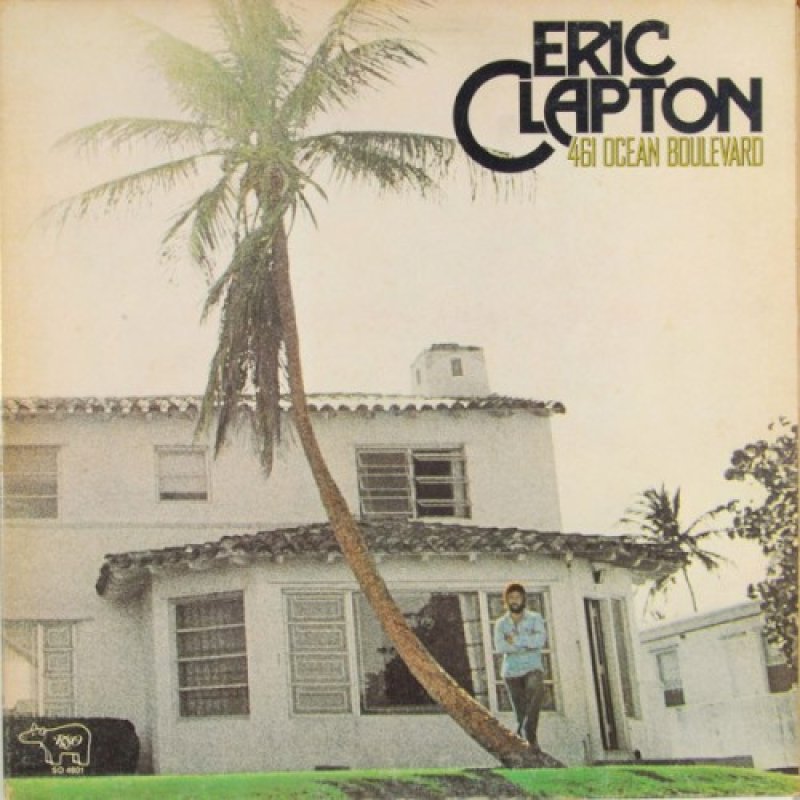
I Shot the Sheriff
Eric Clapton · 1974
The moment when Bob Marley's reggae reached number one in the United States. The first major lever of Jamaican influence in Anglo-Saxon pop.
Ghost Town
The Specials · 1981
The Jamaican ska and English punk producing one of the most important singles in the history of British pop. The legacy of Kingston sound systems in the streets of Coventry.
Tití Me Preguntó
Bad Bunny · 2022
The dembow in its purest form in contemporary global pop. Thirty-two years after "Dem Bow" by Shabba Ranks, the same Jamaican riddim remains the most played in the world.
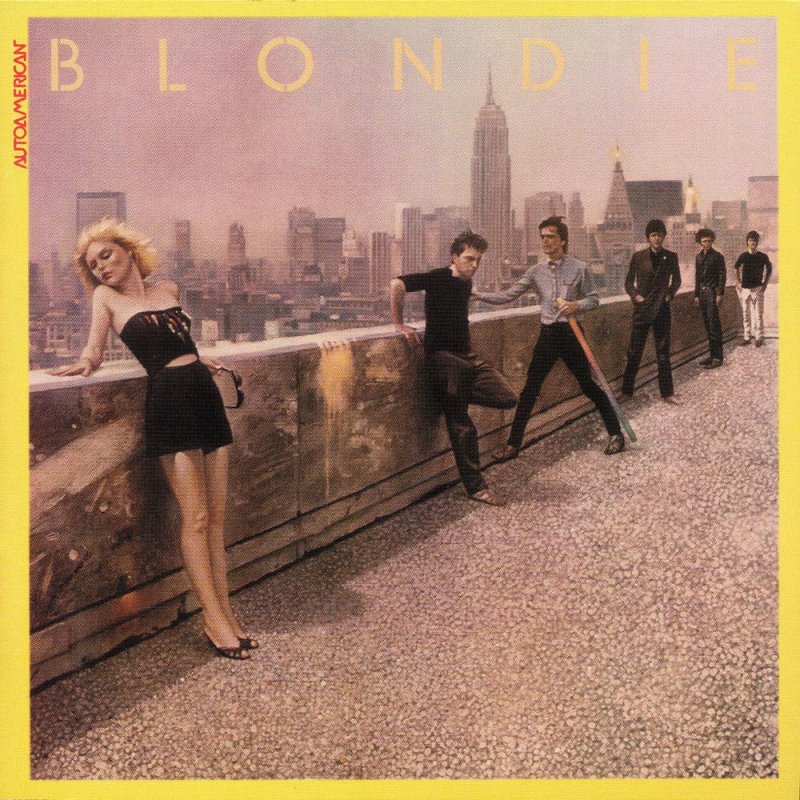
Rapture
Blondie · 1980
The new Jamaica — young, global, feminine — winning a Grammy and showing that the island doesn't need to stop being Jamaican to be relevant in the 21st century.
End of the Jamaica Series
| Cap. | Tema | Estado |
|---|---|---|
| 1 | El Ska — Coxsone Dodd, The Skatalites, Prince Buster | ✅ |
| 2 | El Rocksteady y el Reggae — Bob Marley, Peter Tosh, Bunny Wailer | ✅ |
| 3 | El Dub — King Tubby, Lee "Scratch" Perry | ✅ |
| 4 | El Dancehall — Yellowman, Shabba Ranks, Beenie Man, Sean Paul | ✅ |
| 5 | El Reggaetón y la Influencia Global — Dem Bow, DJ Kool Herc, Bad Bunny | ✅ |
Jamaica series complete. 5 of 5 chapters.
Which is the next country?
End of Series · Jamaica
With this chapter we close the 5-part series on Jamaica. Thanks for reading.
The full series
Jamaica
Ska, rocksteady, reggae, dub. The island that changed the world's rhythm.
-
CAP 01
🇯🇲 Ch 01
Ska: The Soundtrack of a Nation That Had Just Been Born (1950–1966)
Jamaica has an area of 10,990 square kilometers — smaller than the
-
CAP 02
🇯🇲 Ch 02
The Rocksteady and the Reggae: The Sound that Conquered the World (1966–1981)
In the summer of 1966, something changed at Kingston studios. Ska — that fast-paced, metal-rich music that had been Jamaica's independence soundtrack — began to slow down. The temp
-
CAP 03
🇯🇲 Ch 03
The Dub: When the Studio Became an Instrument (1968–1985)
A finales of the 1960s, in Duke Reid's studio in Kingston, a sound system operator named **Rudolph "Ruddy" Redwood** was preparing a work copy of a song for his system. B
-
CAP 04
🇯🇲 Ch 04
The Dancehall: When Kingston Got Electric and the World Started Dancing (1979–2010)
By the end of the 1970s, Kingston was a city at war with itself. Political violence between the two major Jamaican parties — the PNP of Michael Manley and the JLP of Edward Seaga —
-
CAP 05 you are here
🇯🇲 Ch 05
The Reggaeton and Global Influence: How a Three Million Island Changed the World Music (1990–today)
In 1990, the Jamaican producer Bobby Digital took a riddim created by the production duo Steely & Clevie — based on a rhythmic pattern from a track by Gregory Peck called "Poc
You might also like
3 articles picked by editorial similarity


