Acordes em preparação
Ainda não analisamos o áudio desta música. Quando estiver pronto, você verá o player de acordes sincronizado com o vídeo.
A história por trás
Pale Shelter, segundo o DoReSol
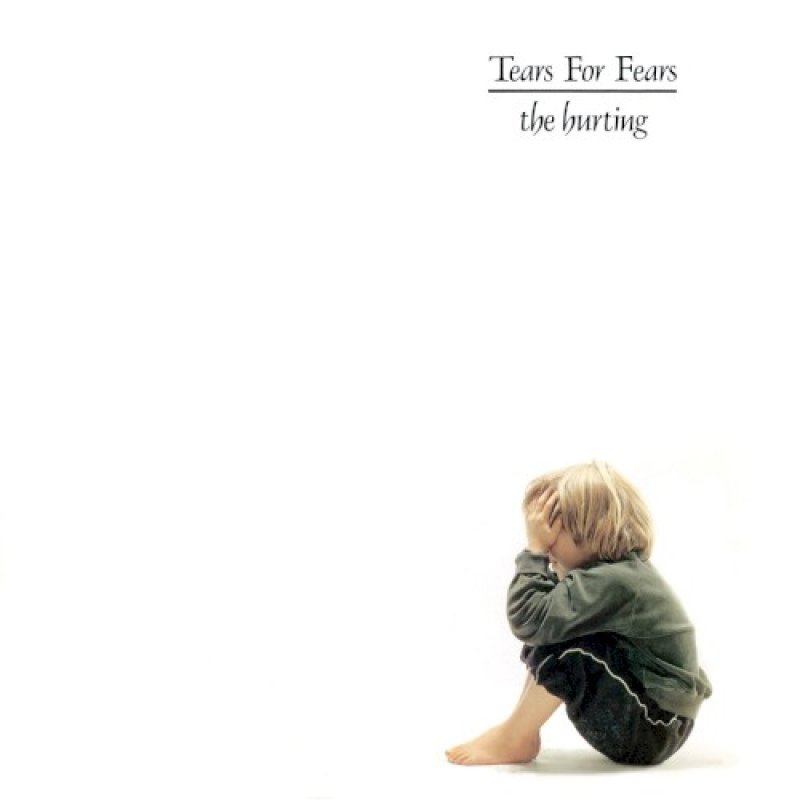
Ao mergulhar em *Pale Shelter*, você se depara com uma música que, embora inicialmente não tenha repercutido nas paradas de seu país natal em 1982, demonstrou ter vida própria. A versão que hoje reconhecemos como a mais familiar, gravada em 1983, tornou-se um sucesso, alcançando o quinto lugar no Reino Unido e sendo parte fundamental do álbum de estreia da dupla, *The Hurting*. Esta canção tem uma particularidade: seu título vem de uma obra visual, um desenho de 1941 do escultor britânico Henry Moore, chamado "Pale Shelter Scene". A letra, descrita como uma canção de amor, aponta mais para relações familiares, especificamente com os pais, do que para um romance convencional.
O caminho de *Pale Shelter* até o sucesso foi um processo de várias etapas. Originalmente, junto com *Suffer the Children*, foi uma das maquetes que garantiu a Tears for Fears seu primeiro contrato discográfico em 1981. A base da música surgiu de uma sequência de dois acordes que Roland Orzabal tocava repetidamente em seu violão. O restante da música e a letra foram concluídos em uma única manhã. A primeira gravação desta maquete foi feita no estúdio caseiro de Ian Stanley em Bath. Após o lançamento de seu primeiro single, *Suffer the Children*, decidiu-se que *Pale Shelter* seria o próximo. Houve uma tentativa de torná-la mais comercial e, como David Lord estava ocupado com outro projeto, a produção ficou a cargo de Mike Howlett. No entanto, surgiram diferenças criativas, especialmente pelo uso excessivo de baterias eletrônicas Linn, o que fez com que fosse sua única colaboração com a banda. Finalmente, a versão que todos conhecemos foi regravada por Chris Hughes e Ross Cullum para o álbum *The Hurting* de 1983. Ambas as gravações, a original e a do álbum, começam com um sample tocado ao contrário: na primeira, é uma frase falada por Orzabal; na versão do álbum, é um breve toque de piano. A reedição de 1983, apoiada por uma estratégia de marketing que incluía múltiplos formatos e promoções, finalmente impulsionou *Pale Shelter* para as paradas, alcançando também impacto em outros países como o Canadá, onde já havia sido um sucesso em 1985.
Do álbum

The Hurting
Tears for Fears · 1983
Dados
Créditos
Letra Roland Orzabal, Curt Smith
Música Roland Orzabal