Accordi in preparazione
Non abbiamo ancora analizzato l'audio di questa canzone. Quando sarà pronto, vedrai il player di accordi sincronizzato con il video.
La storia dietro
Pale Shelter, secondo DoReSol
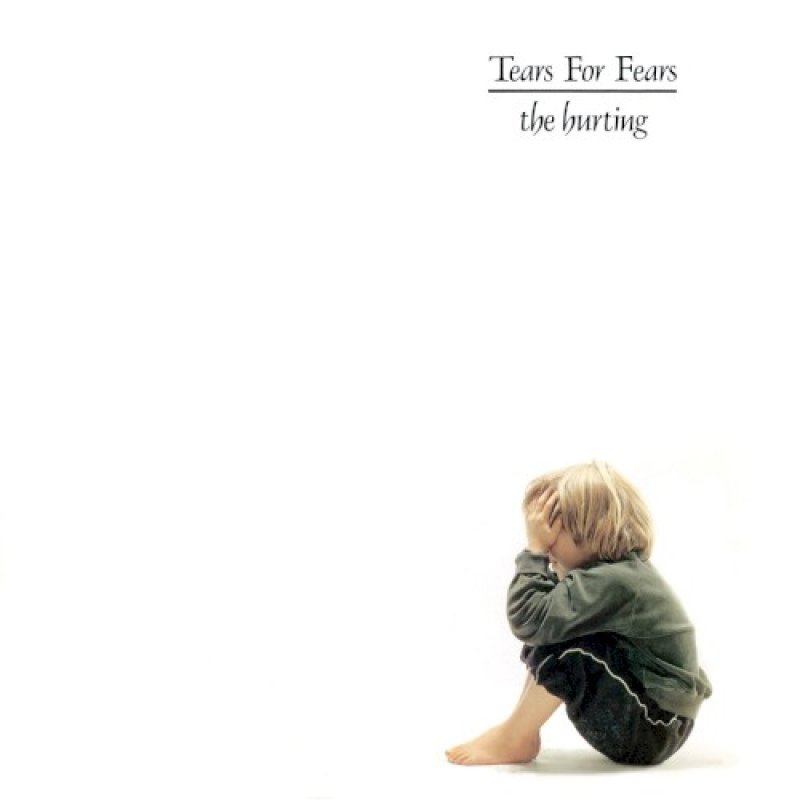
Quando ti immergi in *Pale Shelter*, ti imbatti in un brano che, sebbene inizialmente non abbia avuto risonanza nelle classifiche del suo paese d'origine nel 1982, ha dimostrato di avere una vita propria. La versione che oggi riconosciamo come la più familiare, registrata nel 1983, divenne un successo, raggiungendo il quinto posto nel Regno Unito e diventando una parte fondamentale dell'album di debutto del duo, *The Hurting*. Questa canzone ha una particolarità: il suo titolo deriva da un'opera visiva, un disegno del 1941 dello scultore britannico Henry Moore, chiamato "Pale Shelter Scene". Il testo, descritto come una canzone d'amore, si rivolge più alle relazioni familiari, in particolare con i genitori, che a un amore convenzionale.
Il percorso di *Pale Shelter* verso il successo è stato un processo a più fasi. Originariamente, insieme a *Suffer the Children*, fu una delle demo che procurò ai Tears for Fears il loro primo contratto discografico nel 1981. La base della canzone nacque da una sequenza di due accordi che Roland Orzabal suonava ripetutamente sulla sua chitarra acustica. Il resto della musica e del testo furono completati in una sola mattinata. La prima registrazione di questa demo fu realizzata nello studio casalingo di Ian Stanley a Bath. Dopo l'uscita del loro primo singolo, *Suffer the Children*, si decise che *Pale Shelter* sarebbe stato il successivo. Ci fu un tentativo di renderla più commerciale e, poiché David Lord era impegnato in un altro progetto, la produzione ricadde su Mike Howlett. Tuttavia, sorsero divergenze creative, soprattutto per l'uso eccessivo delle batterie elettroniche Linn, che rese questa la sua unica collaborazione con la band. Infine, la versione che tutti conosciamo fu ri-registrata da Chris Hughes e Ross Cullum per l'album *The Hurting* del 1983. Entrambe le registrazioni, l'originale e quella dell'album, iniziano con un sample riprodotto al contrario: nella prima, è una frase pronunciata da Orzabal; nella versione dell'album, è un breve tocco di pianoforte. La riedizione del 1983, supportata da una strategia di marketing che includeva molteplici formati e promozioni, spinse finalmente *Pale Shelter* nelle classifiche, ottenendo anche un impatto in altri paesi come il Canada, dove era già stato un successo nel 1985.
Dall'album

The Hurting
Tears for Fears · 1983
Dati
Crediti
Testo Roland Orzabal, Curt Smith
Musica Roland Orzabal