The story behind
Tumbalatum, according to DoReSol
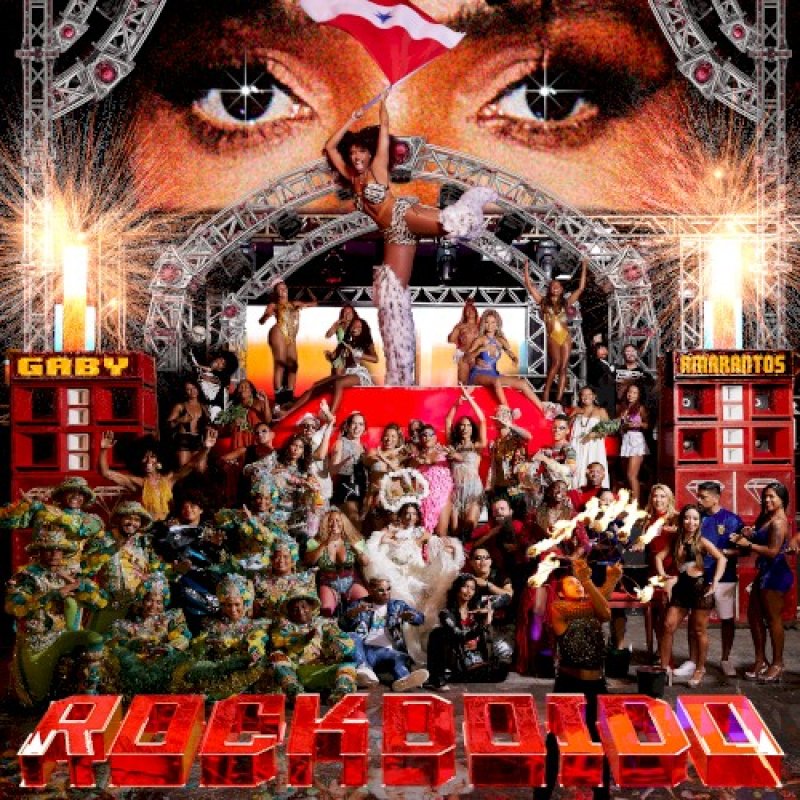
When Tumbalatum kicks in, the rhythm grabs you by the shoulders and won’t let go. It’s not a song you listen to: you feel it in your body, as if the speaker itself vibrates with the same energy as an aparelhagem in Belém. The bass and percussion lay down a pattern that repeats, but not like a perfect loop—rather, with the organic unpredictability of live rhythms, as if time itself were stretching and compressing at once. One detail stands out when you play it: the space between the notes isn’t random. Every drum hit, every keyboard whisper is crafted so the listener feels like they’re standing in the middle of the party, where the sound isn’t static but breathes.The album Rock Doido —released in August 2025— was born from this idea: to capture the controlled chaos of aparelhagens, those street parties in the North of Brazil where music isn’t just heard, it’s lived.
Gaby Amarantos and the collective Altar Sonoro shaped the record like a single DJ set, with songs flowing together like waves in a moving crowd. Tumbalatum is no exception: its two-and-a-half-minute runtime is exactly what it needs to sustain that rhythmic tension without slipping into monotonous repetition. What’s most fascinating isn’t what it sounds like, but how it sounds: the blend of tecnobrega, funk, and carimbó doesn’t feel like a collage, but like a natural evolution of these genres, as if they were always meant to converge in the same place.
From album

Rock Doido
Gaby Amarantos · 2025 · Track 9
Details