The story behind
To Live Is to Die, according to DoReSol
The song To Live Is to Die is a deep tribute to Cliff Burton, the bassist who passed away in 1986. The musical piece is built upon an idea he himself had sketched before his departure, and his contribution extends to the introduction and initial development. James Hetfield and Lars Ulrich completed the composition, and it is notable that, despite having co-written only a portion of the lyrical material, Burton receives credit as a lyricist. Hetfield described the song as a sincere homage to Cliff, expressing gratitude for the time shared. Guitarist Kirk Hammett added a particular sonic detail, emulating the adjustment of a volume knob, inspired by Ace Frehley of Kiss. The song, with a duration of almost ten minutes, moves through different tonalities and sections, beginning with a soft acoustic melody and light percussion, then giving way to a crescendo of electric guitars. It includes guitar solos by Hammett and Hetfield, with the latter marking the central part of the piece.
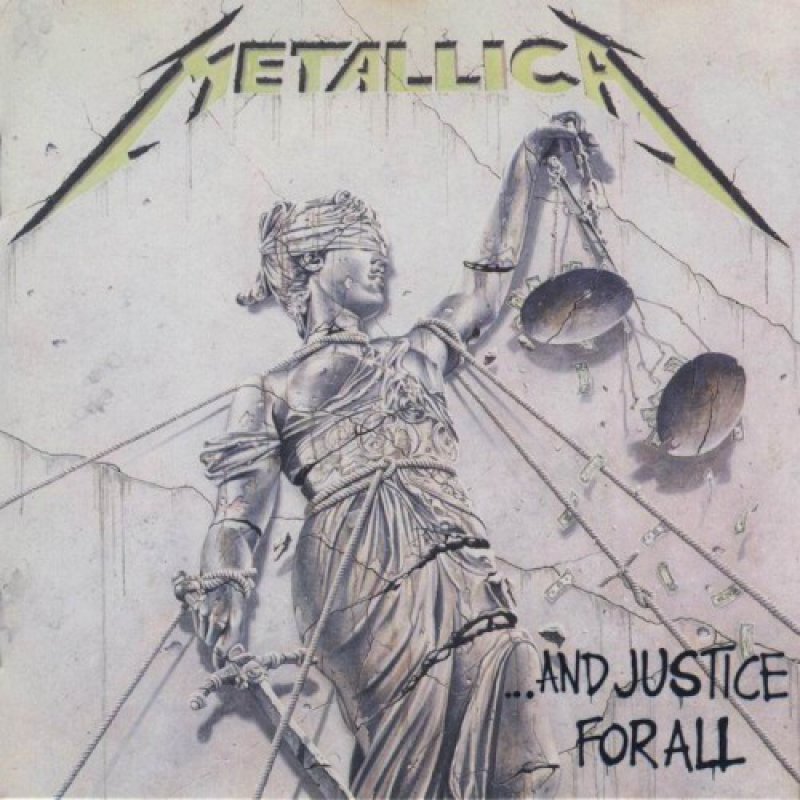
Recorded between January and May 1988 for the album ...And Justice for All, this instrumental piece is one of Burton's last contributions to Metallica. The album, released on September 7, 1988, marked the entry of Jason Newsted as bassist following the tragic death of Burton in a bus accident in Sweden, which occurred shortly after a performance in Stockholm in 1986. The band took several years to perform To Live Is to Die live due to its emotional weight. It was in 2011, during the group's 30th-anniversary celebrations at The Fillmore, that they played it in its entirety for the first time, driven by current bassist Robert Trujillo. The spoken part of the song, recited by Hetfield, contains a poem written by Burton. This poem incorporates verses by Paul Gerhardt, a German poet, and Stephen R. Donaldson, an American novelist. Specifically, the first line comes from Gerhardt's work, the second from Donaldson's Lord Foul's Bane (1977), and the last two are Burton's own authorship. The song's title, in fact, was based on a recurring phrase from Burton.
From album

…And Justice for All
Metallica · 2018 · Track 8
Details
Credits
Music Kirk Hammett, James Hetfield, Lars Ulrich