The story behind
The Train Is Coming, according to DoReSol
This song was born as a single in 1966, recorded at the Kingston studios by Ken Boothe, a Jamaican artist who gave reggae a melodic and catchy twist. What’s curious is that, in its original version, the track already carried the seed of what would later become its fate: a rhythm that seems to keep moving forward, like the train mentioned in the title. The production was handled by Coxsone Dodd, a key figure in the Jamaican scene, and the session featured The Wailers Band as backing vocals, adding that warm, communal air that defines the reggae of the era. The B-side, Feel It, completed the vinyl as the perfect accompaniment to the main track.
Thirty years later, the song resurfaced thanks to Shaggy, who reworked it for his album Boombastic (1995). This time, the sound was modernized with pop and electronic touches, yet without losing the essence of the original. The result was a double single —alongside Something Different— that climbed to position 21 on the UK charts in 1996, staying in the ranking for five weeks. Later that same year, the song found a new space in cinema: it appeared on the soundtrack of Money Train, the action comedy, and its remix version, the Money Train Remix, was included in the film’s album. By then, the train was no longer just moving forward; it had become a phenomenon crossing genres and borders.
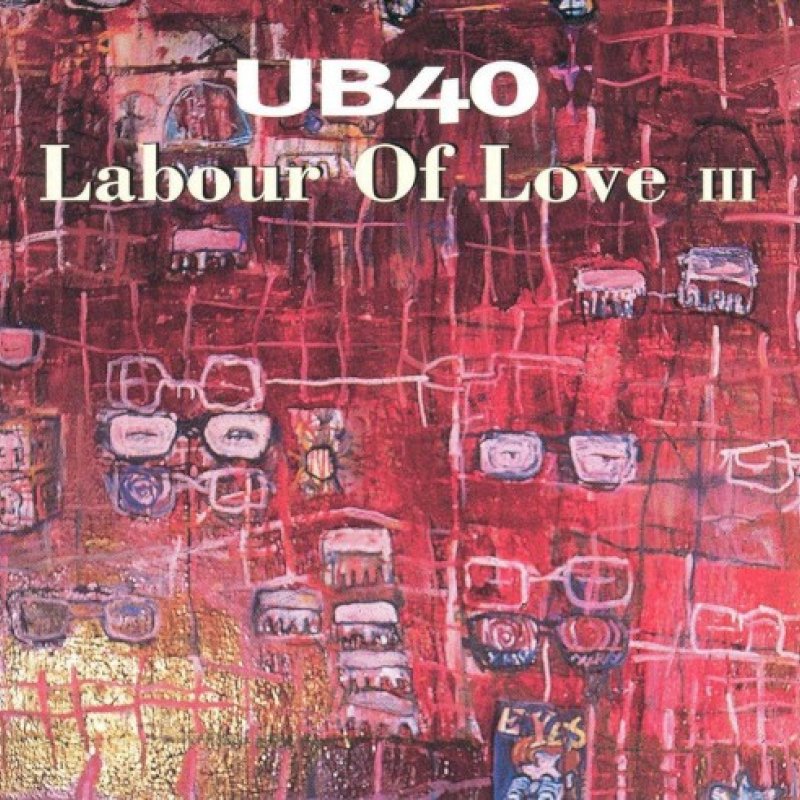
In 1998, the British band UB40 —known for blending reggae, pop, and dub— decided to include their own version on Labour of Love III, an album dedicated to covers of classics. Their rendition reached position 30 in the UK in 1999, though it only stayed on the chart for two weeks. What’s interesting here isn’t just the recognition but how the song proved its adaptability: from its recording in a Kingston studio to its journey through cinema and international charts, The Train Is Coming always found a way to reinvent itself without losing its identity.
From album

Labour of Love III
UB40 · 1998 · Track 8
Details
Credits
Music Clement “Coxsone” Dodd, Ken Boothe, Shaggy