The story behind
The Romantic Warrior, according to DoReSol
The Romantic Warrior is not just a track; it is an eleven-minute journey where Chick Corea's keyboard and Al Di Meola's guitar intertwine in a dialogue of light and shadow. Recorded live in the studio but with an almost orchestral precision, the piano's opening solo —which repeats like a leitmotif— unfolds over a rhythm that flows between the epic and the intimate, as if each note sought a balance between the grandeur of a medieval castle and the warmth of a hearth fire. What surprises most when playing it is how Stanley Clarke's bass and Lenny White's drums not only set the tempo but constantly reshape it, as if the song were breathing in real time. The detail lies in the silences: those moments where everything seems to pause before the track explodes into a climax of arpeggios and percussion, as if the listener were climbing a hill only to plunge downhill.
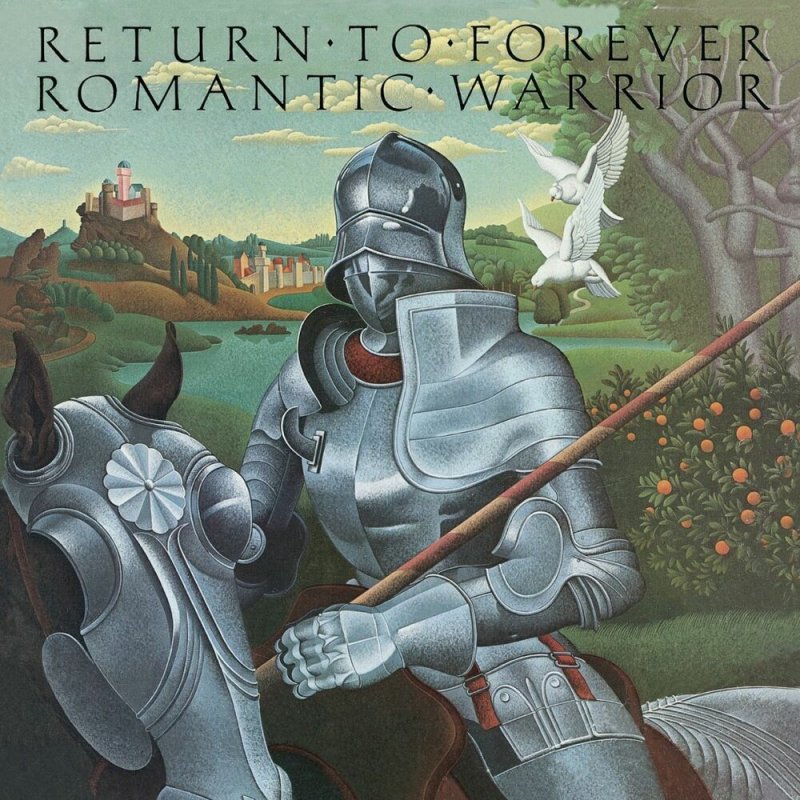
The album Romantic Warrior was released in February 1976, recorded at the Caribou Ranch studios near Nederland, Colorado, a place already a haven for bands like Head Hunters due to its acoustics and isolated atmosphere. It was Return to Forever's first album for Columbia Records, following four releases on Polydor, and marked a turning point: for the first time, Chick Corea's name did not appear as "featuring" alongside the band on the cover. The project was produced by a quartet: Corea, Clarke, Di Meola, and White, all with clear ideas about where they wanted to take the group's sound. Engineer Tom Likes captured every nuance, from the sustain of the keyboards to the sharp strike of the cymbals, in a session that lasted days but flowed as if it were a single take. The result was an album that, years later, the RIAA would certify as Gold in the United States, an accolade few Jazz Rock albums of that era achieved.
From album

Romantic Warrior
Return to Forever · 1976 · Track 3
Details
Credits
Music Chick Corea