The story behind
Strange Fruit, according to DoReSol
The story behind *Strange Fruit* is as powerful as the song itself. What began as a poem written by Abel Meeropol, under the pseudonym of Lewis Allan, transformed into a cry of protest against racial violence in the United States. Meeropol, a Jewish schoolteacher from the Bronx, was inspired by a stark 1930 photograph showing the lynching of Thomas Shipp and Abram Smith in Marion, Indiana. The lyrics compare the victims to fruit on trees, a striking image that sought to raise awareness about the horrors of lynching, a practice that had reached its peak in the country's South, primarily affecting African Americans. The poem, first published in 1937, was set to music by Meeropol himself, who presented it on various New York stages with his wife Anne Shaffer and vocalist Laura Duncan.
It was at Café Society, the first integrated nightclub in New York founded by Barney Josephson, where Billie Holiday first heard and performed *Strange Fruit* in 1939. Despite the fear of reprisal, the song resonated deeply with her, partly because it reminded her of her father, Clarence Holiday. To ensure the performance had the desired impact, Josephson established a ritual: Holiday would close her sets with the song, service would stop, the lights would go out except for a spotlight on her, and there would be no encores. Recording the song presented challenges. The record label Columbia refused to record it for fear of repercussions in the South, and its producer, John Hammond, also did not want to. However, Milt Gabler, owner of the Commodore label and a friend of Holiday's, agreed to record it after hearing her sing a cappella, moved to tears. The recording session took place on April 20, 1939, with the participation of Frankie Newton's Café Society Band. Gabler, concerned about the length, asked pianist Sonny White to improvise an introduction, which resulted in Holiday's voice starting after the first 70 seconds of the piece. This version became Holiday's best-selling record and, in 1978, was inducted into the Grammy Hall of Fame. In 2002, the U.S. Library of Congress selected it for preservation in the National Recording Registry for its cultural, historical, and aesthetic significance.
From album

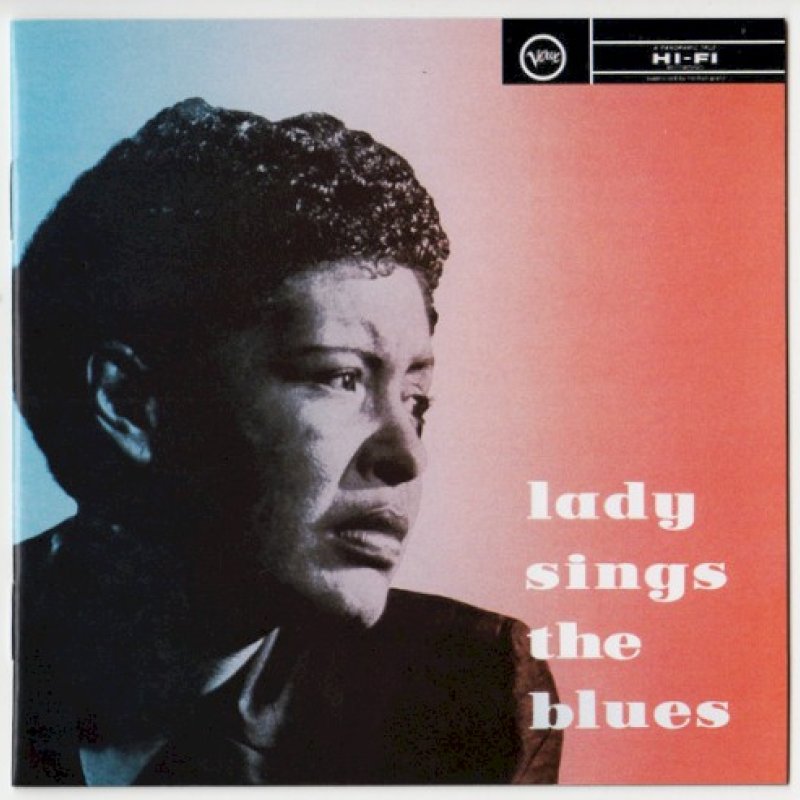
Lady Sings the Blues
Billie Holiday
Details
Credits
Music Lewis Allan