Chords in progress
We have not analyzed this song audio yet. Once it is ready, you will see the chord player synced with the video.
The story behind
Sinàn Capudàn Pascià, according to DoReSol
Sinàn Capudàn Pascià sounds like a journey through time, but not just any journey: it is a journey in ancient Genoese, mixed with the salty air of the Mediterranean. The song does not tell just any story, but that of an Ottoman admiral who, according to tradition, ended his days in a convent in Genoa after deserting from his empire. What is most striking is not just the theme, but how Fabrizio De André sings it: with a voice that seems to come from a 16th-century ship, dragging words that sound like trade, betrayal, and waves breaking in the harbor. The Genoese here is not a whim; it is the language that best knows how to tell those stories of power and fall, where each stanza smells of saltpeter and ink from ancient maps.
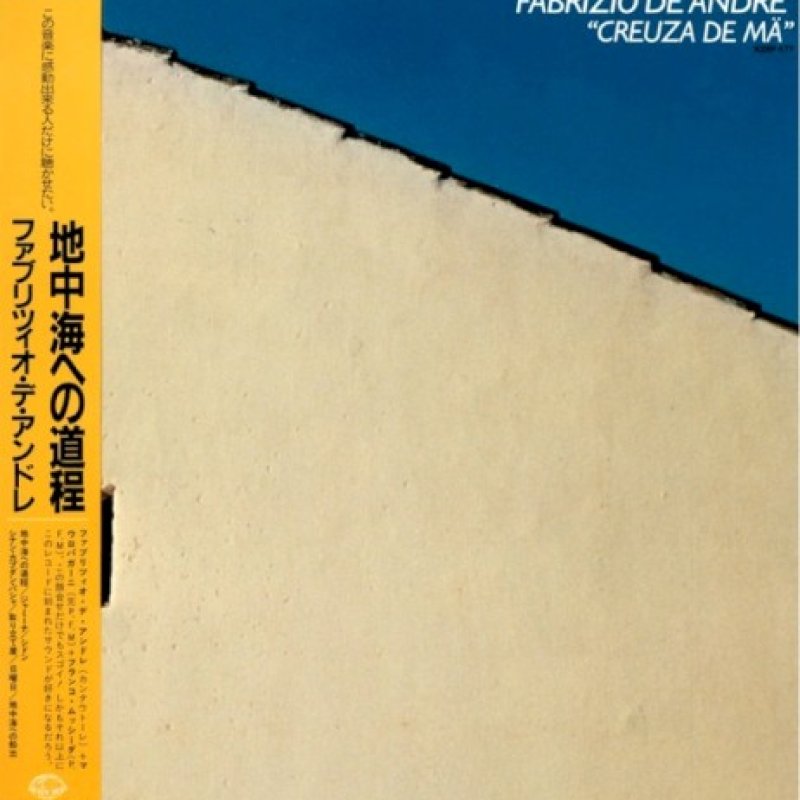
The recording of Crêuza de mä, the album where this song appears, was an experiment in itself. It was 1984, and De André was working with Mauro Pagani to create something that sounded like real Mediterranean, not a polished studio record. They used local instruments —lute, violas, Arabic percussion— and recorded everything live, without retouching. The result was a sound unlike anything that was heard at the time: neither folk, nor rock, nor pop, but something that floated between the ancient and the modern, as if the waves of the sea had entered the studio. Sinàn Capudàn Pascià lasts 5:33, long enough for the story to unfold without haste, with that rhythm that seems marked by the swaying of a ship.
From album

Crêuza de mä
Fabrizio De André · 1984 · Track 4
Details
Credits
Lyrics Fabrizio De André, Mauro Pagani
Music Fabrizio De André, Mauro Pagani