The story behind
Saídas e bandeiras nº 2, according to DoReSol
Saídas e bandeiras nº 2 is that moment when Milton Nascimento's guitar detaches from time and remains suspended in the air, as if the air itself were breathing with it. In just a minute and a half, the song achieves something few tracks do: it becomes a soundscape that needs nothing more than its own atmosphere to exist. There are no epic choruses or abrupt changes; instead, there is a constant flow where each note seems to land in the exact place, as if the musician had waited a lifetime to play it this way. Milton's voice enters afterward, soft yet firm, and rather than singing about something, it feels like he is whispering a secret into the listener's ear.
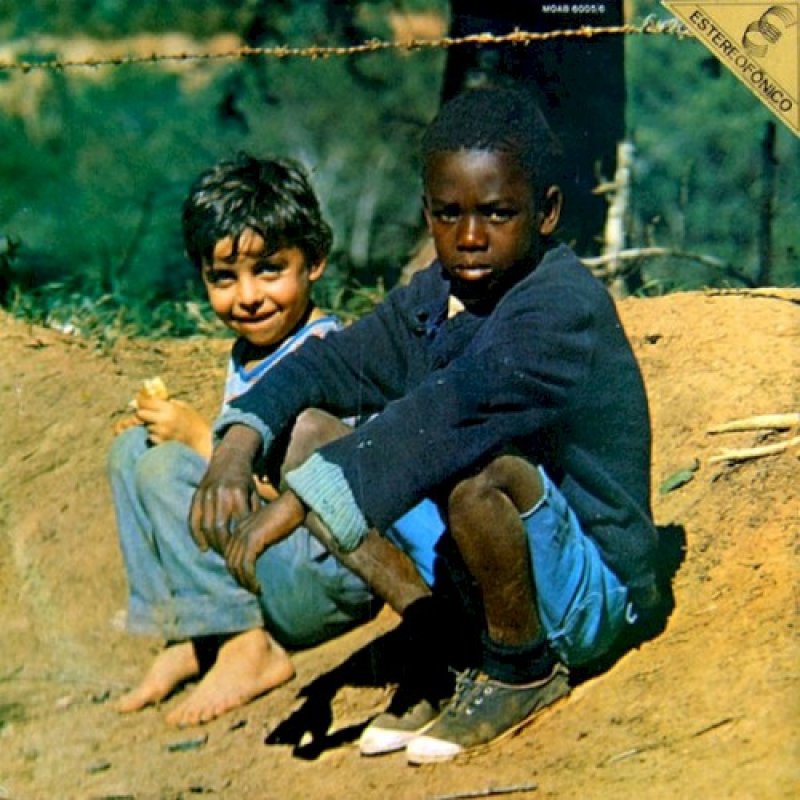
It is as if the song had been recorded in a place where the outside world did not exist, only the sound and its power to make us feel that, for a moment, everything is in its rightful place.The track was born in November 1971, when Milton Nascimento and Lô Borges locked themselves away in Praia de Piratininga, in Niterói, and later in the Estúdios Odeon in Rio de Janeiro, to shape what would become Clube da Esquina. At the time, Brazil was under a dictatorship that stifled freedoms, and the double album became a sanctuary where Brazilian popular music blended with baroque pop, folk, and even flashes of rock and jazz.
Saídas e bandeiras nº 2 does not speak of politics directly, but its very existence in that context is an act of resistance: music as a space of freedom, where words can be few because the sound already says it all. Years later, in 1992, the track gained international attention when Milton was recognized in the Down Beat International Critics poll, a detail that underscores how, even decades later, his sound continues to resonate in corners where it is least expected.
From album

Clube da Esquina
Milton Nascimento · 1972 · Track 4
Details