The story behind
Puente, according to DoReSol
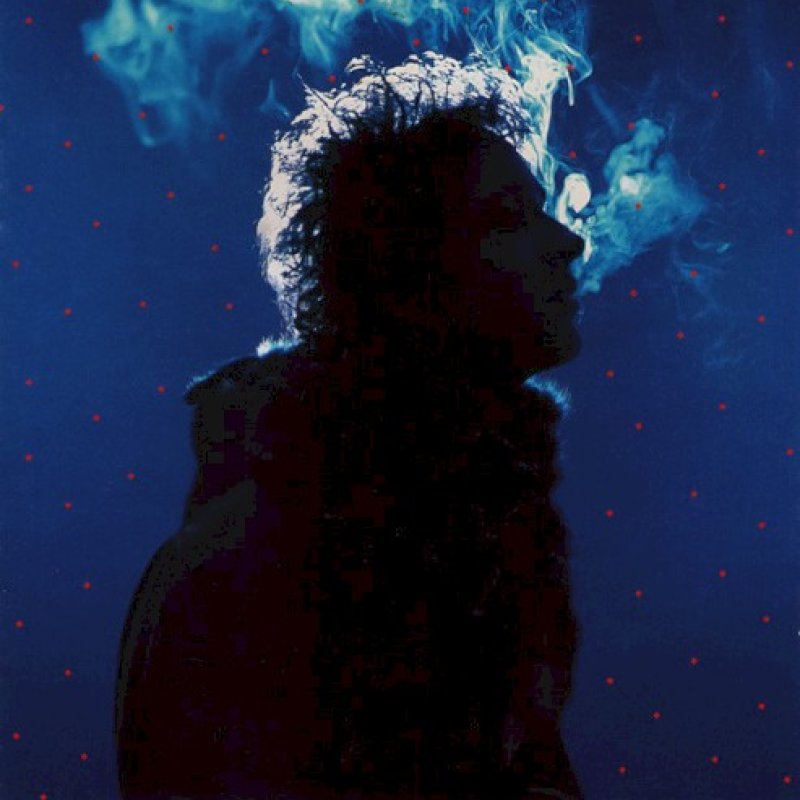
When Gustavo Cerati embarked on his solo career after the departure of Soda Stereo, his second album, Bocanada, released in 1999, marked a turning point. Within this work, Puente stood out as a single that resonated particularly. The song begins with an introspective, almost ethereal atmosphere, with psychedelic undertones that invite reflection. However, the chorus forcefully breaks with that calm, introducing a more direct and energetic sound, with distorted guitars and a powerful rhythmic base that contrasted with the album's general sonic proposal. This duality, moving from the subtle to the overwhelming, gives it a special dynamic, designed to generate a powerful impact, almost to be sung in large venues. A particularity is that, although the original idea was conceived with an acoustic guitar, in his live performances Cerati used to perform it with electric guitars, a detail that highlights his versatility and the way he adapted his creations.
The production of Puente, like the rest of the album Bocanada, was handled by Gustavo Cerati himself, who explored influences from electronic music. The music video that accompanied the single, directed by Andrés Fogwill, featured Cerati at the controls of a peculiar helicopter with bicycle handlebars, serving as an air taxi for various passengers, including some musicians who collaborated on the album, such as Flavio Etcheto and Leo García. The song was a milestone in his post-Soda Stereo career, being nominated for a Latin Grammy for Best Rock Song and appearing on lists of the best songs of Argentine rock, according to publications like Rolling Stone magazine. It was a recurring theme in his tours, being performed between 1999 and 2010, spanning from the Bocanada tour to Fuerza Natural.
From album

Bocanada
Gustavo Cerati · 1999 · Track 4
Details
Credits
Music Gustavo Cerati