The story behind
Proud Mary, according to DoReSol
The story behind Proud Mary, that song that resonates with the force of a mighty river, begins with an idea that transforms. Initially, composer John Fogerty thought of a laundress named Mary, but the sound of the first chords evoked the movement of a paddle wheel and the immense Mississippi. Thus, Mary's figure mutated from a domestic worker to the queen of a riverboat. This duality, between urban life and the freedom of the river, is the heart of the lyrics: a protagonist who leaves behind a monotonous and demanding job in the city to embark on a river adventure, seeking respite and perhaps a new perspective. The song captures that feeling of escape and rebirth that the river traditionally symbolizes.
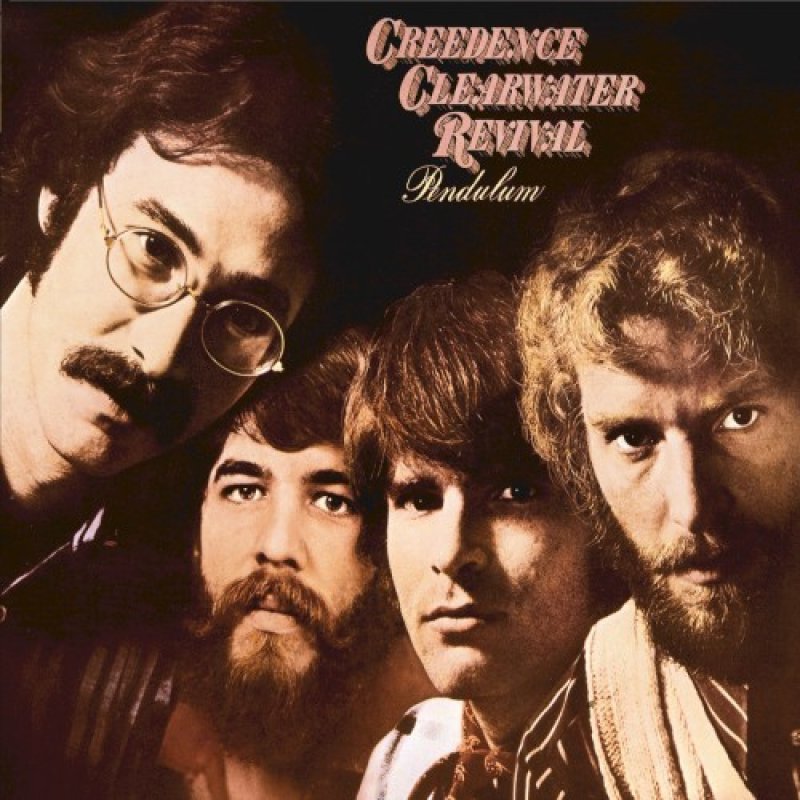
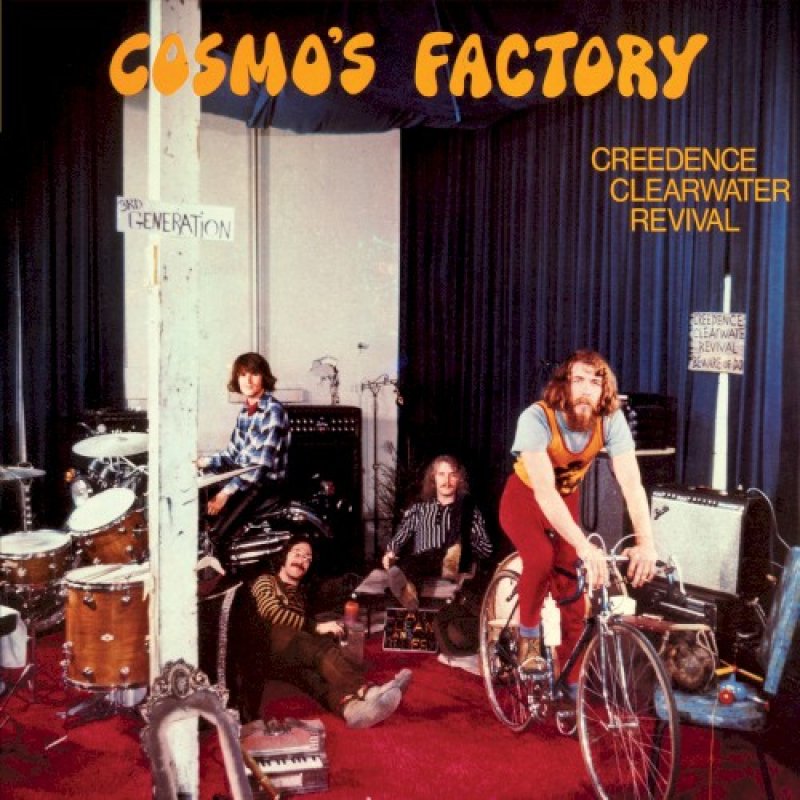
The recording of Proud Mary took place in 1968 at RCA Studios in Hollywood, California. The group, Creedence Clearwater Revival, formed by John Fogerty (lead guitar and vocals), his brother Tom Fogerty (rhythm guitar), Stu Cook (bass), and Doug Clifford (drums), recorded the song's foundation live. John Fogerty, in addition to composing and arranging, was responsible for the vocals and later adding instrumental layers. The song was released as a single in January 1969, as part of the band's second studio album, Bayou Country. This track became a resounding success, reaching second place on the Billboard Hot 100 in March 1969, and marking the beginning of a streak of five singles that reached the same position without hitting number one. The influence of gospel music, with its male vocal harmonies, and Fogerty's admiration for guitarists like Steve Cropper, can be felt in the structure and sound of Proud Mary, fusing roots of black and white music in a very particular way.
Details
Credits
Lyrics John Fogerty
Music John Fogerty