The story behind
Penny Lane, according to DoReSol
The street Penny Lane, in Liverpool, became the setting for a musical piece that captures the essence of nostalgia and childhood memories. Paul McCartney, the main architect of the lyrics, captured the images and characters he remembered from his youth in the city. This evocation is nourished by the atmosphere of the time, with references to the bus stop, the trams, and the daily life that surrounded that intersection. The inspiration also intertwines with the poetry of Dylan Thomas, particularly his work Fern Hill, and with the shared experiences with John Lennon at that neuralgic point of the city. Lennon, in fact, collaborated on the writing of the third verse, adding layers of shared memory to the narrative.
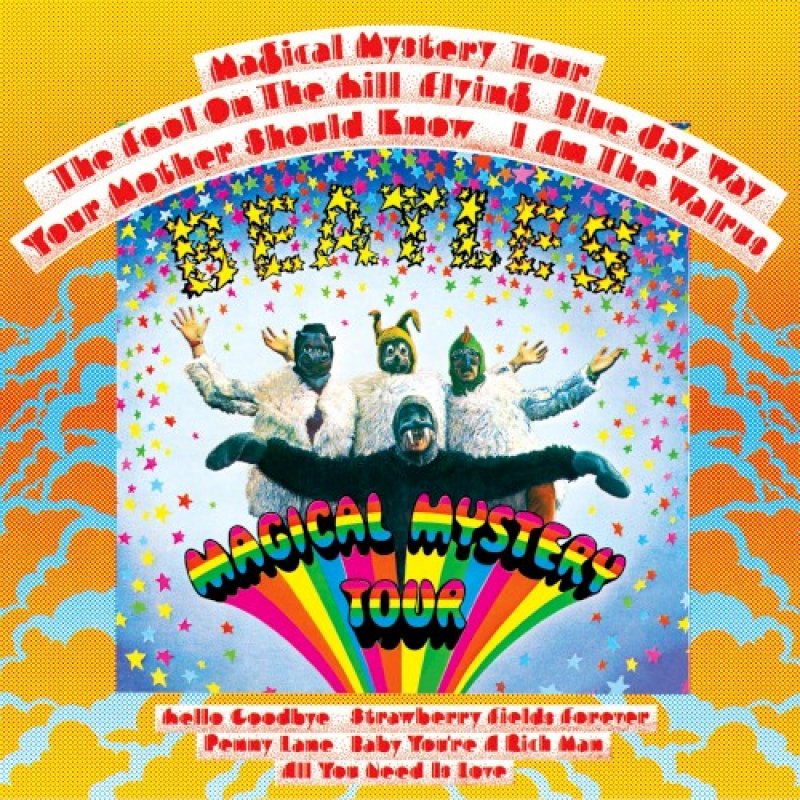
The recording of Penny Lane took place between December 1966 and January 1967 at EMI studios in London. Originally intended for the album Sgt. Pepper's Lonely Hearts Club Band, the record company requested an early release, making it a double A-side single with Strawberry Fields Forever in February 1967. The song is distinguished by its frequent key changes, which occur both within the verses and between the choruses, creating a sense of movement and surprise. A particular sonic detail is the piccolo trumpet solo performed by session musician David Mason in the bridge section. Despite its success, in Great Britain this single did not reach the top of the charts, something unusual for The Beatles since 1963. However, in the United States, the song did top the Billboard Hot 100. Later, in November 1967, Penny Lane was included on the album Magical Mystery Tour, released in the United States.
From album

Magical Mystery Tour
The Beatles · 1967 · Track 9
Details
Credits
Music Paul McCartney, John Lennon